© 2026 Rentokil North America © Gregory Pest Solutions – All Rights Reserved.
Bed Bugs have long been a pest to humans. The earliest mention of bed bugs dates back to Ancient Egypt, but in the US, they really became a problem during the World Wars. In recent years, they have made a comeback, and many people are asking where they came from, why they're so hard to get rid of, and what's changed over time. Understanding the history of bed bugs can help explain why these small pests remain a big issue today.
Where Did Bed Bugs Originate From?
Bed bugs are believed to have originated in the Middle East, where early humans lived in caves shared with bats. These insects gradually adapted to feed on people rather than animals. As human civilizations grew, so did the reach of these pests. Ancient writings from Egypt, Greece, and Rome mention bed bugs and the discomfort they caused. This shows their presence well before modern society developed.
With the growth of global trade and human migration, bed bugs hitched rides across regions. They moved with people as they traveled by boat, train, and wagon. Wherever people went, bed bugs followed, hidden in clothing, bedding, and furniture.
These pests didn't need much to survive, just a steady supply of warm-blooded hosts. And once inside a home, they could reproduce quickly. Their ability to stay hidden for long periods without a blood meal made them particularly hard to detect and control.
When Did Bed Bugs Arrive in America?
So, when did bed bugs come to America? Historical accounts suggest they arrived with early European settlers during the 17th and 18th centuries. Ships crossing the Atlantic offered the perfect conditions for bed bugs, wooden interiors, many human hosts, and packed sleeping quarters.
Once in the colonies, bed bugs spread rapidly. Wooden homes, shared bedding, and limited pest control knowledge gave them every opportunity to thrive. By the 1800s, they had become a well-known problem in many American cities and towns. People often tried to manage infestations with boiling water, smoke, or natural oils, but none were truly effective.
By the early 1900s, infestations were so common that families often expected to deal with bed bugs at some point. The problem continued well into the 20th century until chemical insecticides like DDT became widely used after World War II. This brought a sharp drop in infestations across the US. But the problem was never fully resolved.
How Do Bed Bugs Die Naturally?
People often ask, how do bed bugs die naturally? While these pests can die naturally, they are extremely resilient, making them hard to remove.
Bed bugs need a blood meal to survive, grow, and reproduce. If they're cut off from hosts, it is possible for them eventually die from dehydration or lack of food. But this can take a long time;, adults can live for several months without feeding under the right conditions.
Bed bugs are sensitive to temperature but are able to survive even extreme variations. Cold weather slows them down, but rarely kills them outright unless temperatures drop below freezing for an extended time. On the other hand, heat is more effective. Temperatures above 120°F can be fatal if sustained long enough. However, these conditions aren't usually met without some kind of intervention.
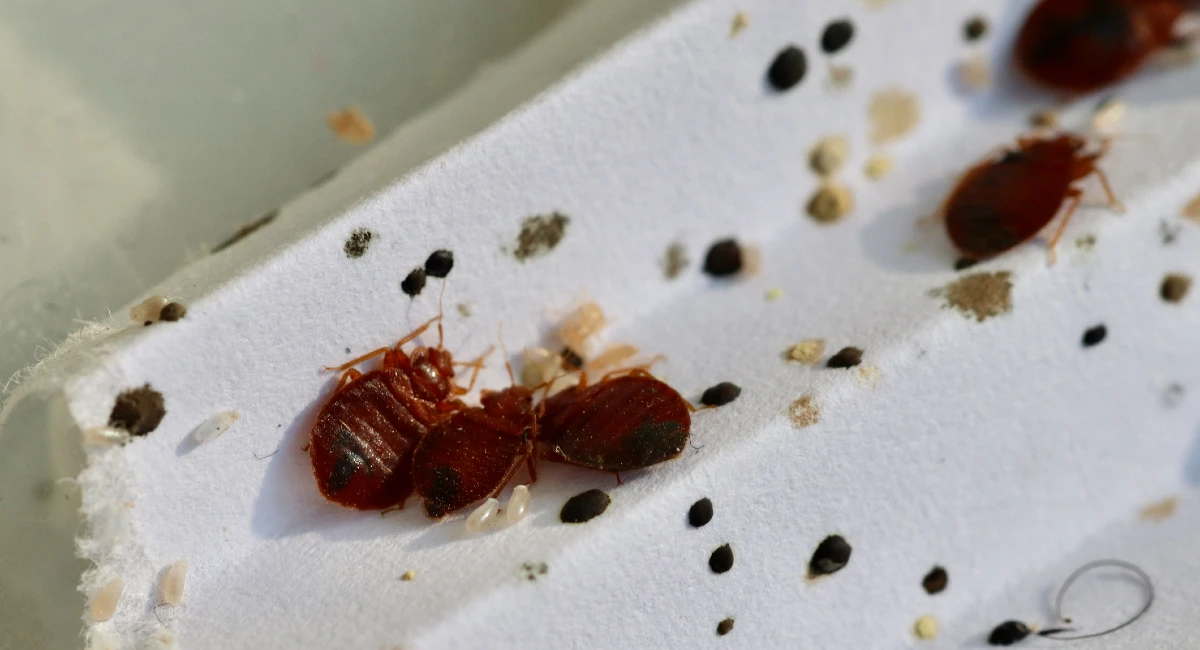
Relying on natural death is not a practical way to manage infestations. Bed bugs hide in places like mattress seams, wall cracks, and even behind electrical plates, waiting for the right moment to emerge. Professional help is almost always needed to address the problem properly.
Adaption
Adaption, or “pesticide resistance,” happens when an insect is exposed to a sub-lethal amount of a pesticide. This may happen when a pesticide is not mixed properly or applied incorrectly. It can also occur when a pesticide is used heavily, but a small group of bed bugs is on the fringe of the treatment area and only gets limited exposure, which does not kill them.
Part of what makes bed bugs so persistent is their ability to adapt. In fact, they've developed resistance to many of the products once used to control them. This resistance became clear in the 1950s and 60s, when DDT and other pesticides became less effective.
Here’s an example of how resistance to pesticides occurs - if 100 bed bugs are exposed to insecticide A, with only a few of those surviving. The now- resistant or adapted bed bugs have something in their DNA that makes them immune to the effects of insecticide A. When those bed bugs reproduce, they pass that gene onto their offspring. If there is a different group of bed bugs that are immune to pesticide B and they reproduce with those immune to insecticide A, then a bed bug that is immune to both A and B products will be produced. This is how the insect’s population has become less susceptible to insecticides, and this is also why we choose heat as an extermination method.
Bed bugs have also adapted in how they hide and survive. They are now found in many places beyond beds, inside couches, behind baseboards, in the folds of curtains, and even in electrical outlets. Their ability to go unnoticed allows them to build large infestations before people even realize they're there.
This adaptability is one reason why DIY methods rarely provide long-term control. Treatments that don't address all life stages or miss hard-to-reach hiding spots may reduce numbers temporarily, but don't solve the problem.
Heat Remediation
Because bed bugs are sensitive to temperature, heat remediation is one of the more effective professional treatments today. This process raises the temperature in a home or affected room to levels that kill bed bugs at every life stage, from eggs to adults. That is why Gregory Pest Solutions uses Thermal Remediation® Heat Treatment technology to tackle these resilient pests.
To be effective, the temperature must remain above 120°F for several hours. Professionals use specialized heaters and fans to ensure the heat reaches into walls, furniture, and other hiding spots.
We first inspect the property and may even bring in one of our four-legged friends, who can sniff out bed bugs to determine which areas need treatment. Then we use Thermal Remediation® Heat Treatment equipment, comprising electric heaters and monitoring devices, to effectively heat and treat affected areas. Then we inspect once more to ensure no more bed bugs remain. We may use a residual insecticide to try to prevent a future infestation and catch other bed bugs that hunkered down in cracks and crevices, away from the heat.
Heat Remediation isn't something you should attempt on your own. The process requires training and equipment to ensure the heat is applied evenly. Done improperly, it could damage belongings or fail to eliminate the infestation.
Adaption
Adaption, or “pesticide resistance,” happens when an insect is exposed to a sub-lethal amount of a pesticide. This may happen when a pesticide is not mixed properly or applied incorrectly. It can also occur when a pesticide is used heavily, but a small group of the pest are on the fringe of the treatment area and only get limited exposure which does not kill them.
Part of what makes bed bugs so persistent is their ability to adapt. Over time, they’ve developed resistance to many of the products once used to control them. This resistance became clear in the 1950s and 60s, when DDT and other pesticides became less effective.
Here’s an example of how resistance to pesticides occurs – if this happened with 100 bed bugs which are exposed to insecticide A, with only a few of those surviving. The now resistant or adapted bed bugs have something in their DNA that makes them immune to the effects of insecticide A. When those bed bugs reproduce, they will pass that gene onto their offspring. If there is a different group of bed bugs that are immune to pesticide B and they reproduce with those immune to insecticide A, then a bed bug that is immune to both A and B products will be produced. This is how the insect’s population has become less susceptible to insecticides, and this is also why we choose heat as an extermination method.
Bed bugs have also adapted in how they hide and survive. Bed bugs are now found in many places beyond beds, inside couches, behind baseboards, in the folds of curtains, and even in electrical outlets. Their ability to go unnoticed allows them to build large infestations before people even realize they’re there.
This adaptability is one reason why DIY methods rarely provide long-term control. Treatments that don’t address all life stages or miss hard-to-reach hiding spots may reduce numbers temporarily, but don’t solve the problem.
Heat Remediation
Because bed bugs are sensitive to temperature, heat remediation is one of the more effective professional treatments today. This process raises the temperature in a home or affected room to levels that kill bed bugs at every life stage, from eggs to adults. That is why Gregory Pest Solution uses Thermal Remediation® Heat Treatment technology to tackle these resilient pests.
To be effective, the temperature must remain above 120°F for several hours. Professionals use specialized heaters and fans to ensure the heat reaches into walls, furniture, and other hiding spots.
We first inspect the property and may even bring in one of our four-legged friends that can sniff out bed bugs to determine what areas should be treated. Then we use Thermal Remediation® Heat Treatment equipment that utilizes electric heaters and monitoring devices which are powered by the system and monitored throughout the process to achieve a safe and effective level of heat within the treated areas. Then we inspect once more to ensure no more bed bugs remain. We may use a residual insecticide to try and prevent a future infestation which may be re-introduced to the home, or to get any other bed bugs that hunkered down away from the heat in cracks and crevices.
Heat Remediation isn’t something you should attempt on your own. The process requires training and equipment to ensure the heat is applied safely and evenly. Done improperly, it could damage belongings or fail to eliminate the infestation.
How Do I Get Bed Bugs, and How Can I Keep Them Away?
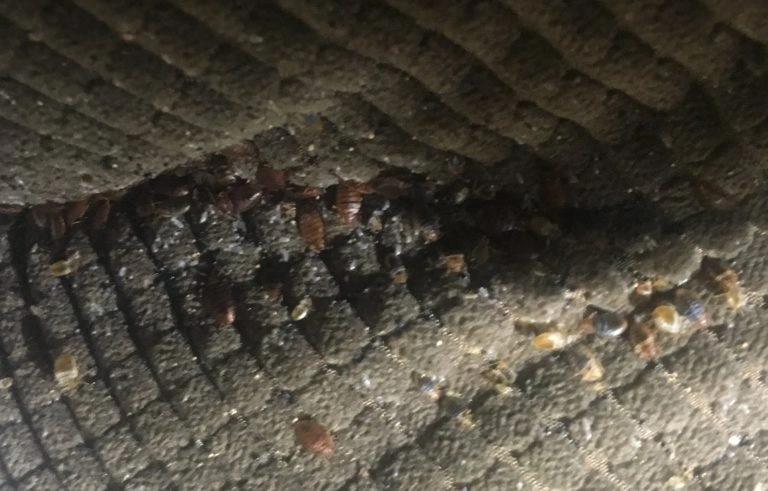
Bed bugs don’t care how clean your home is. These sneaky bugs can latch onto suitcases, hide in secondhand furniture and hitch rides on backpacks, purses or boxes to get in your home. It’s not a cleanliness issue with these pests, so you can’t clean enough to keep them away. But there are a few things you can do to try to keep them out of your home.
Bed Bugs like to hide in the creases of furniture, so inspect these areas thoroughly.
- When traveling, start by dropping your luggage in the bathroom. The, check your hotel room for bed bugs by inspecting the cracks and corners of the room and mattress. Look for red and brown splotches on the mattress from the bed bug’s excrement, and also for the actual bed bug.
- If you spot bed bugs during your inspection, notify the hotel immediately and ask for a different room. Make sure this room is not directly above, below or adjacent to the original room. Bed bugs can easily travel to those rooms via housekeeping carts and even electrical sockets!
- Wrap your luggage in a protective cover, such as a plastic bag to keep it away from bed bugs.
- When you arrive home, vacuum all luggage thoroughly and throw all clothes into the dryer on high for at least 30 minutes.
- NEVER set backpacks, luggage, or handbags on the bed, especially after traveling!
Even with care, bed bugs can show up. If you spot small bites, rust-colored stains on bedding, or notice a musty smell in the bedroom, it's time to act. DIY methods might seem tempting, but they usually only handle part of the problem. A professional approach is the best way to help identify and eliminate bed bug problems.
Bed Bug Exterminators Serving the Southeastern US
In the Southeastern United States, the warm climate and high travel volume create the perfect conditions for bed bugs to thrive. Cities like Charlotte, Columbia, and other surrounding areas often see higher rates of infestation than less-populated regions.
At Gregory Pest Solutions, we've been helping families across the region identify and manage bed bug problems with care and professionalism. Our technicians are trained to spot the signs others miss. We use a combination of inspection, monitoring, and effective treatment plans, like heat remediation, to help protect your home and reduce the presence of bed bugs.
Understanding the history of bed bugs is the first step in dealing with or preventing an active infestation. If you're in the Southeastern US and need support, we're here to provide expert guidance and reliable treatment options, helping you stay protected from future surprises. We don't rely on one-size-fits-all solutions. Each home and infestation are unique. Our goal is to find where bed bugs are hiding, treat the area properly, and help prevent future issues. Whether you've just spotted signs or are dealing with a larger infestation, we're here to help you take the next step.
Frequently Asked Questions
Bed bugs were brought to America by early European settlers in the 17th and 18th centuries. Infestations were widespread by the 1800s, declined in the mid-1900s due to pesticide use, and have since resurged due to resistance and global travel.
Current research indicates that bed bugs likely originated in the Middle East. Originally, they were likely a type of bat bug, feeding on bats in caves.
Some early humans lived in caves, and bed bugs adapted to live off human blood, following human populations worldwide. Once humans started using beds and bedrooms, bed bugs made these their homes.
They became common during early settlement periods and were widespread in homes by the 19th century. While their presence dropped mid-century, they've become more common again over the last few decades.
Book Your Free Pest Inspection Today
Our local technicians will assess your property and recommend tailored solutions. Fast, friendly, and completely obligation-free.
- Safe, targeted treatments
- Local experts, fast response
- Trusted, trained technicians