800-922-2596 Call Now Book a Free Inspection

Stinging Insects

When stinging insects invade your yard or home, they can turn outdoor fun into a painful experience. From bees and wasps to hornets and yellow jackets, these flying insects that sting are more than a nuisance; they can also pose health risks and cause property damage. Gregory Pest Solutions provides expert stinging insect control across South Carolina and North Carolina to help you protect your family and restore comfort to your property.

What Are Stinging Insects?

Stinging insects are a group of flying pests that use a stinger to defend themselves or their colonies. Most live in colonies or nests, and while some are beneficial pollinators, others can be aggressive when threatened. Common examples include honeybees, wasps, hornets, and yellowjackets.

A single sting can be painful, but multiple stings, or a severe reaction to an insect sting allergy, can become a serious concern. People with a known allergic reaction to insect stings should seek medical help immediately if symptoms such as swelling, shortness of breath, or dizziness occur.

At Gregory Pest Solutions, our technicians know how to identify, remove, and prevent infestations of insects that sting so you can enjoy your home and yard again.
Common Stinging Insects & Removal

Bees play a vital role in pollination, but when a hive appears too close to your home, it can put your family at risk. Honey bees usually nest in hollow trees, wall voids, or under decks. Although they are not aggressive by nature, disturbing their hive can trigger defensive behavior, including stinging.

Carpenter bees are large, shiny black bees that bore into unfinished wood to create nesting tunnels. Over time, this behavior can cause damage to wooden decks, siding, and trim. You may see sawdust near entry holes or hovering bees around eaves. Because they return to the same nesting sites year after year, early stinging insect control is essential.

Hornets build large paper nests, often high in trees or under roofs, and defend them aggressively. Attempting to remove a nest yourself is risky, as hornets react quickly to perceived threats.

While mosquitoes don’t have a stinger, their bites can cause discomfort, itching, and transmit disease. Including them in stinging insect control programs helps homeowners reduce the number of biting and flying insects that sting or bite around their properties.

In some regions of the Carolinas, scorpions can wander indoors in search of shelter. Their stings can cause localized pain similar to a bee sting. Because scorpions hide in cracks, woodpiles, and basements, finding and sealing entry points is key to preventing infestations. 

Wasps are slender, fast, and highly protective of their nests. They commonly build paper nests on porch ceilings, under eaves, or inside sheds. Unlike bees, wasps can sting multiple times, and their stings are known to cause painful stings and allergic reactions. Our team performs a detailed stinging insect inspection to locate and treat wasp nests.

Yellow jackets are one of the most aggressive types of stinging insects. They often nest underground or inside wall voids and can deliver repeated, painful stings. Because yellow jackets are territorial, even a minor disturbance can trigger a swarm attack. Gregory Pest Solutions technicians know exactly how to locate and safely handle these pests.

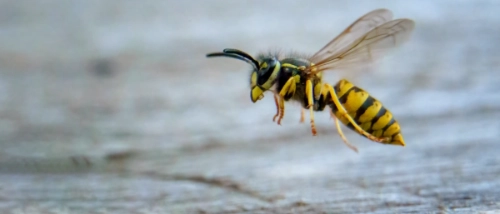
Common wasp close-up in natural habitat. A social insect often seen around flowers, fruits or picnics. Important predator of pests but also known for its defensive sting.

Identify Stinging Insects

Proper identification is crucial in determining the appropriate treatment. Bees are generally fuzzy with rounded bodies, while wasps and hornets have slimmer, smoother bodies and longer legs. Yellow jackets resemble wasps but are stockier and often nest in the ground.

If you notice a large paper nest hanging from a tree branch, a buzzing swarm near siding, or an unusual cluster of insects entering small cracks, it’s time to schedule a professional stinging insect inspection. Gregory Pest Solutions can identify the pest, assess the risk, and recommend the most effective plan for controlling stinging insects.

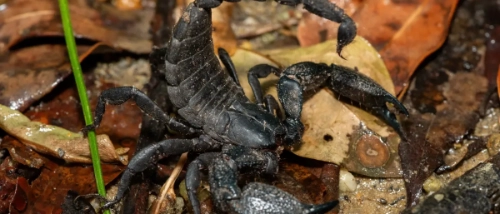
A defensive Cape docile scorpion (Opisthacanthus capensis), also known as a Cape creeper or black rock scorpion, in the wild

What Attracts Stinging Insects

Most stinging insects are drawn to food sources and nesting shelters. Open garbage cans, sugary drinks, and outdoor meals attract insects that sting, while hollow trees, wall cavities, and attics provide ideal nesting spots.

In the warm, humid climates of South Carolina and North Carolina, flowering plants and fruit trees also serve as attractants. Maintaining clean outdoor spaces, sealing cracks, and limiting accessible food sources can make your property less appealing to stinging pests.

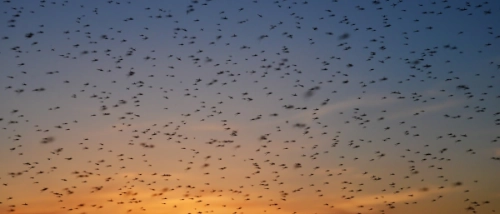
Large swarm of mosquitoes at sunset

Signs of Stinging Insect Infestation

If you’re seeing multiple bees or wasps flying in and out of a specific area, hearing buzzing inside walls, or spotting new nests under eaves, you may have a growing infestation. Fresh chew marks on wood can indicate the presence of carpenter bees, while increased insect activity near garbage bins may signal the presence of yellow jackets.

Because colonies expand rapidly during spring and summer, early detection through professional stinging insect inspection helps prevent damage and reduces the risk of insect stings to your family and pets.

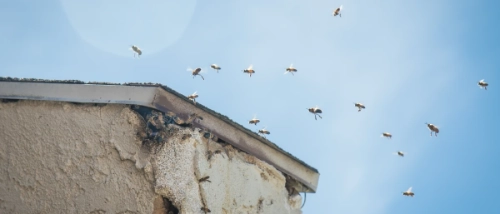
bee hive in house wall

How Stinging Insects Damage Property

Beyond the physical risk of a painful sting, stinging insects can damage wood structures, insulation, and siding. Carpenter bees tunnel into wood, while wasps and hornets chew materials to build their paper nests. In severe cases, nests inside walls can stain surfaces and attract secondary pests once the nest is abandoned.

Unchecked colonies can cause lasting structural problems. Gregory Pest Solutions’ stinging insect exterminators not only remove active nests but also recommend preventive repairs and treatments to discourage re-nesting.

Understanding Allergic Reactions to Insect Stings

Most insect stings cause temporary redness and swelling, but some people experience a severe allergic reaction to an insect sting that can be life-threatening. Insect sting allergy symptoms may include hives, facial swelling, or breathing difficulty. Always seek medical attention if a reaction appears severe or affects breathing.

Gregory Pest Solutions technicians are trained to recognize high-risk situations and can recommend steps to reduce exposure for family members with allergies. While we can’t treat medical symptoms, we can help lower the risk by removing nests and managing stinging pests effectively.

Stinging Insects Prevention

Keeping stinging insects away starts with prevention. Seal cracks around doors, windows, and soffits to block entry. Store trash securely and clean up food spills promptly. Trim back trees and shrubs that touch your home to eliminate travel paths for flying insects that sting.

Gregory Pest Solutions offers ongoing stinging insect control programs customized for properties across South Carolina and North Carolina. Regular inspections and targeted treatments help prevent colonies from forming near your home each season.

colleague with customer outside home

Why Choose Gregory Pest Solutions

For over 50 years, Gregory Pest Solutions has provided dependable pest control services across South Carolina and North Carolina. Our local technicians understand regional pest behavior and seasonal challenges. When it comes to stinging insect control, we prioritize long-term prevention and exceptional customer care.

We take time to explain the process, answer questions, and respect your home as if it were our own. Whether you’re dealing with bees in the walls, wasps around the porch, or hornets in a tree, our team works quickly and professionally to help restore comfort and confidence.

Frequently Asked Questions About Stinging Insects

The most common stinging insects include bees, wasps, hornets, and yellow jackets, each differing in behavior, nesting habits, and level of aggression. Bees are generally less defensive, while wasps, hornets, and yellow jackets are more territorial around their nests.

The safest way to remove or treat stinging insect nests is to contact a licensed pest control professional who can identify the species and use the proper protective equipment and treatment methods. Attempting removal on your own can provoke the insects and lead to multiple stings.

To prevent stinging insects from nesting near your home, keep trash containers sealed, repair exterior gaps, and regularly check eaves and outdoor structures for early nesting activity. Limiting food and drink left outside also helps reduce attraction to your property.

Get In Touch

About Us

The personal touch sets Gregory apart from other companies. We have been family owned and locally operated since 1972. We get to know you, your family and home.