800-922-2596 Call Now Book a Free Inspection

Mosquitoes are among the most common insects in the world and have been studied extensively. In the United States, there are over 200 mosquito species, but only around 12 are known to spread germs that can make people sick, according to the CDC. For most people, a mosquito bite is just an itchy annoyance, but for some, it can pose a serious health risk.

Quick Facts About Mosquitoes

  • The United States is home to over 150 species.
  • Only female mosquitoes bite; males feed exclusively on nectar.
  • Mosquitoes detect carbon dioxide from up to 75 feet away.
  • They lay hundreds of eggs at a time, often in hidden or unexpected water sources.
  • A mosquito’s lifespan ranges from two weeks to a month, depending on temperature and humidity.
  • Certain species can survive winter in dormant stages, making year-round management important.

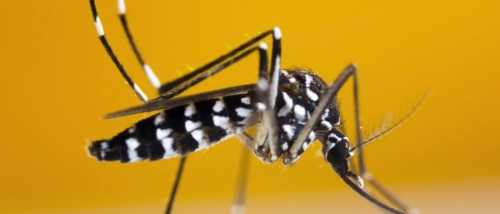
Color: Light gray to dark brown with white, silver, or iridescent scales depending on the species. Some, like the Asian tiger mosquito (Aedes albopictus), feature distinctive black-and-white banding on the legs and body.

Legs: 6

Shape: Slender, delicate body with long legs and a narrow abdomen. A single pair of wings and an elongated proboscis used for feeding on nectar or blood.

Size: Typically 1/8 to 3/8 inch (3–10 mm), though some tropical species may reach up to 1/2 inch (12 mm).

Antennae: Long and segmented; males have bushier antennae for detecting the wingbeats of females, while females’ antennae are smoother.

Region: Found throughout the United States and worldwide, especially in warm, humid environments near standing water. Common species, such as Culex, Aedes, and Anopheles mosquitoes, are prevalent in the Southeast, including South Carolina and North Carolina, where they thrive from spring through early fall.
 

What Are Mosquitoes?

Mosquitoes even though they are tiny, they are among the most dangerous insects to human health. Female mosquitoes need blood to get the protein for their eggs, while males mostly feed on nectar.

The mosquito life cycle has four stages: egg, larva, pupa, and adult. This complete metamorphosis occurs in water, making the management of standing water vital for mosquito control. From puddles and clog removal as a continuous process, rather than a seasonal fix.

Seeing Mosquitoes?

Call now to book your free inspection.

Mosquito Habitat, Diet, Life Cycle, and Behaviors

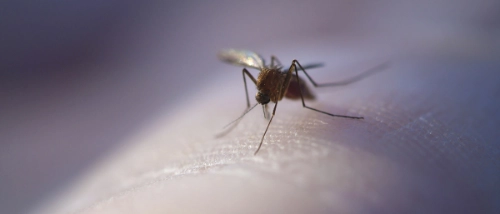
mosquito biting man's hand in front of plant

Where Do Mosquitoes Live?

Mosquitoes are highly adaptable and can live in many different environments. They are most common in warm, humid climates, so North and South Carolina is the ideal place for a long and active mosquito season. Key habitats include:

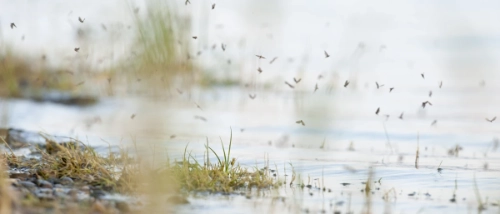
  • Standing water — ponds, marshes, retention areas, clogged gutters, birdbaths, and any container that holds water

  • Dense vegetation — tall grass, shrubs, and wooded areas where adults rest during the heat of the day

  • Tree holes and leaf litter — natural cavities that collect water and provide sheltered breeding sites

  • Shaded, damp areas — beneath decks, porches, and around air conditioning drainage

Mosquitoes usually stay close to where they breed. Most species remain within a mile or two of where they hatched, so a mosquito problem on your property is often started due to a breeding site nearby.

mosquito biting man's hand

What Do Mosquitoes Eat?

Both male and female mosquitoes get their energy from plant nectar. However, only females feed on blood because they need it to produce eggs. When a female mosquito bites, she injects saliva into your skin. This causes the familiar itching and swelling, and sometimes spreads germs that can cause disease.

Some people get bitten more than others. Mosquitoes are attracted to carbon dioxide, body heat, and sweat, so people who are active or have warmer bodies often get more bites. The natural bacteria on your skin also create smells that certain mosquitoes like. Studies even show that people with Type O blood might get bitten more often.

The Mosquito Life Cycle (Egg to Adult)

Mosquitoes go through four life stages: egg, larva, pupa, and adult.

1. Egg

Female mosquitoes lay eggs directly on or near the surface of standing water. Depending on the species, eggs may be laid individually or in floating clusters called rafts. Eggs can hatch within 24 to 48 hours in warm conditions, or remain dormant through winter and hatch in spring.

2. Larva

Mosquito larvae, sometimes called "wrigglers," live just below the water surface and breathe through a siphon tube. They feed on microorganisms and organic matter in the water. If you notice small, wriggling creatures in standing water on your property, you may have an active breeding site.

3. Pupa

The pupal stage is a transitional phase. Pupae, sometimes called "tumblers," do not feed but stay active in the water. Adult mosquitoes emerge from the pupal case within one to four days.

4. Adult

Mosquitoes emerge ready to feed and mate. Females can start laying eggs within a few days of their first blood meal. In ideal conditions, the full life cycle from egg to adult can take just seven to ten days. This is why mosquito populations can grow quickly when conditions are right.

Common Mosquito Behaviors and Activity Cycles

  • Peak activity: Most species reach peak activity at dawn and dusk, though Aedes mosquitoes (which can spread Zika and dengue) are active during the day
  • Resting: During the heat of the day, adult mosquitoes rest in shaded vegetation, under leaves, and in cool, damp areas
  • Breeding: Females lay eggs in standing water. Even very small amounts, such as the water in a bottle cap, can be enough.
  • Range: Most mosquitoes stay within one to two miles of their breeding site, though some species can travel further.

Are Mosquitos Dangerous to Humans and Pets?

Mosquitoes are considered one of the most dangerous animals in the world due to their ability to transmit disease.

The World Health Organization (WHO), has said that more than half of the world’s current population is at risk from mosquito-borne diseases.

Among the most concerning are:

  • West Nile virus – Found in South Carolina and across the Southeast; can cause fever, headache, and neurological complications.
  • Dengue fever – Leads to severe joint pain, rash, and high fever.
  • Zika virus – Associated with birth defects and neurological disorders.
  • Malaria – Though rare in the U.S., it is still a global health concern.
  • Eastern Equine Encephalitis (EEE) – Affects both humans and horses; cases have been reported in southern states.

In addition to disease risks, mosquito bites can cause allergic reactions, secondary infections, and intense itching.

Pets are also at risk. Mosquitoes can transmit heartworm to dogs and cats, a potentially fatal parasitic infection that requires veterinary treatment. 

If you or a family member has symptoms after a mosquito bite, such as fever, headache, rash, or muscle aches, see a healthcare professional right away.

Signs of a Mosquito Infestation on Your Property

Mosquito problems can worsen rapidly, especially after rain or in warm weather. Here are some common signs:

  • Frequent buzzing sounds near the ears or windows
  • Visible mosquito larvae (“wrigglers”) in standing water
  • Numerous bites or welts after spending time outdoors
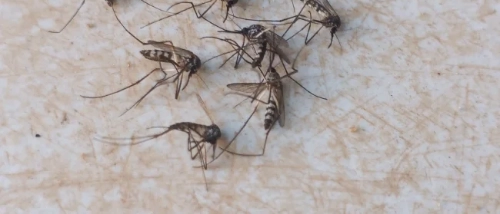
  • Mosquitoes resting on shaded walls, fences, or under patio furniture

If you see any of these signs, it’s a good idea to schedule a mosquito inspection. Acting early makes it easier to lower mosquito numbers and avoid health problems before they ruin your yard.

How Can I Prevent Mosquitos?

Mosquito prevention starts with removing the areas that can turn into breeding sites. Search your home and yard for standing water. This includes:

  • Gutters and downspouts
  • Birdbaths
  • Pet dishes
  • Wading pools
  • Trash containers
  • Flower pots 
  • Anywhere water pools

Mosquitoes require standing water for their eggs to hatch. If you are unable to keep these areas properly cleaned and maintained, we recommend draining any water from them to prevent future hatchings.

Combine this with regular use of on-body insect repellents and citronella candles to repel mosquitoes normally drawn to the scent of your blood. Deet and permethrin are good options that are proven effective.

However, DIY measures can help reduce mosquito activity, but rarely solve an established problem on their own. For long-term results, professional treatment is the most reliable option.

Our residential mosquito control services include targeted barrier spray treatments, fogging, and professionally installed repellent systems for commercial properties that offer continuous protection throughout the season. For businesses, our commercial mosquito control services are customized to fit your site, industry, and schedule.

Ready to Get Started?

Our technicians are ready to control unwanted mosquitoes.

Managing and Preventing Mosquitoes

No one is safe from being bothered by Mosquitoes in the Carolinas. So whether you run a business or just want to protect your home, Gregory Pest Solutions can help you - don’t wait for them to swarm your life - get in touch with us today.

Frequently Asked Questions about Mosquitos

Mosquitoes are small, flying insects that feed on blood rather than delivering a sting. Unlike bees or wasps, they use a needle-like proboscis to pierce the skin and draw blood.

In North and South Carolina, the most common species include Culex quinquefasciatus (the southern house mosquito), Aedes albopictus (the Asian tiger mosquito), and Aedes aegypti. Culex species are the primary carriers of West Nile virus, while Aedes species can spread Zika, dengue, and chikungunya. Aedes albopictus is particularly common in suburban and residential areas and is known for biting during the day.

You should contact a pest control expert when mosquitoes become a constant nuisance or when DIY treatments fail to reduce their numbers.

Effective control includes removing standing water, applying targeted larvicides, and using professional mosquito treatments or misting systems.

Keep your yard clear of standing water, trim vegetation, use EPA-approved repellents, and schedule regular mosquito control services for long-term prevention.

Find Your Nearest Branch

About Us

The personal touch sets Gregory apart from other companies. We have been family owned and locally operated since 1972. We get to know you, your family and home.