800-922-2596 Call Now Book a Free Inspection

Commercial Pest Control

What makes pest control smarter? Is it experience in the field, or the ability to navigate the complex health regulations that affect your business? Is it knowing how to prevent infestations before they lead to foodborne illness or operational shutdowns? At Gregory Pest Solutions, smart commercial pest control means combining all of this into a practical, long-term approach that works in real-world commercial environments.

Pest issues in commercial properties can damage inventory, disrupt operations, jeopardize compliance with health codes, and put your brand's reputation at risk. Gregory delivers comprehensive commercial pest control services for businesses of all sizes, starting with a detailed inspection and building a plan around your facility’s specific vulnerabilities. Whether you operate in food service, healthcare, hospitality, warehousing, or office environments, our programs are built to ensure your facility remains compliant, sanitary, and safe for your people and your customers.

Protecting Businesses From Pests Since 1972

Pests can have a damaging impact on trust signals and brand integrity. Unfortunately, commercial properties are easy targets due to generous quantities of food, ample shelter, and numerous access points. Common pests we treat: 

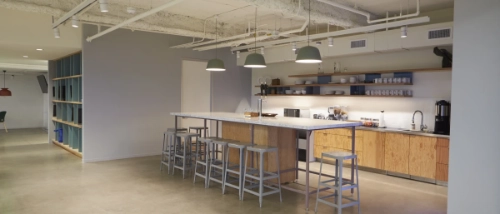
Even clean office break rooms are vulnerable to infestation

How Commercial Pest Control Differs From Residential Services

Commercial environments face unique pest pressures that simply do not exist in residential settings. Large floor space, higher footfall, shared units, and extended operating hours all increase the chance of infestation. For site managers, staying ahead of these risks is essential for maintaining health department compliance and ensuring the positive inspection outcomes required to keep your business running.

Unlike residential service, pest control for commercial pest control for commercial hotels, commercial kitchens, offices, and manufacturing facilities must be carefully integrated into your daily operations. Treatments need to be effective without compromising the safety of employees, customers, or production lines. In these high-stake environments, preventing public health risks is a top priority. Detailed documentation, monitoring, and corrective actions are all mandatory, as inspectors expect verifiable proof of a proactive and compliant pest management program.

Gregory’s experience in pest control for commercial buildings provides the technical expertise needed to develop targeted treatments. We provide the critical oversight and documentation necessary to build a program that works for your facility, your staff, and your regulatory standing.
Got a pest problem? Don’t wait.

Every hour counts when pests are involved. Call now to book your free inspection.

Customizing Pest Control Plans for Commercial Buildings

Factors such as building designs, industry regulations, and operating hours all influence your facilities' vulnerability to pests. We develop custom commercial property pest control programs that offer removal and exclusion services, as well as bioremediation and disinfection solutions to address all types of infestations and ensure your site meets the highest sanitation and safety standards. Our planning and execution process includes:

Facility-Specific Inspections

Every successful program starts with a rigorous inspection to assess pest activity and identify regulatory risks. 

We evaluate structural integrity, sanitation practices, moisture sources, and traffic patterns to pinpoint environmental conditions that could lead to health code violations or cross-contamination. By identifying where pests are most likely to enter or thrive, we stop problems before they impact your score.

Industry-Driven Risk Management

We align our pest control programs to the regulations and risk profiles of each industry. Our strategies reflect site-specific operational realities, such as food handling, guest occupancy, patient safety, or sterile product storage, to prevent the spread of foodborne illnesses and protect your professional reputation. We ensure your pest management plan supports your overall compliance goals.

Tailored Treatment Strategies

Based on our findings and industry needs, we develop a targeted plan focused on exclusion, monitoring, and preventive controls. This tailored approach reduces the likelihood of recurring infestations and supports long-term protection. 

Our goal is to provide a seamless defense that protects your facility without disrupting your production or service.

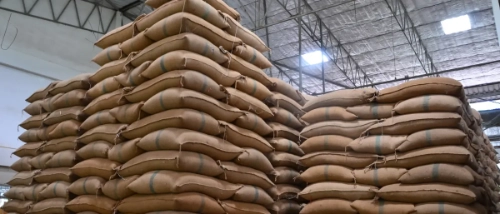
Dry good storage areas can attract stored product pests

How To Manage Common Pests in Commercial Settings

The food industry is susceptible to invasion by a raft of opportunistic pests. However, when you know what to expect, you can take the remedial action. These pests include:

  • Rodents that damage wiring, insulation, and stored goods while spreading contaminants.
  • Cockroaches in shared kitchens, break rooms, and utility areas, where they can multiply rapidly.
  • Flies, drawn to waste, drains, and food-preparation areas, pose a direct food safety concern.
  • Stored product pests, such as beetles and moths, infest dry goods, packaging, and inventory in food processing, storage, and retail environments.

When your building is constantly under attack, pest control requires more than surface treatments; having insight into pest behavior is key to implementing corrective actions that prevent infestations. Gregory’s trained technicians and entomologists apply this knowledge through inspection-driven, integrated pest management (IPM) strategies. 

This might include a combination of exclusion (sealing entry points), sanitation improvements (removing food and water sources), monitoring devices to track activity, and targeted application of control products only when necessary. The solution depends entirely on your business activity and risk levels to protect staff, guests, and visitors.

Schedule an Inspection

Importance of Ongoing Maintenance and Monitoring

Commercial operations run on tight schedules, and even minor pest issues can disrupt production, damage electrical equipment, or drive customers away with poor reviews. Pests adapt quickly, which is why ongoing monitoring matters. 

Our technicians conduct regular inspections, track pest activity trends, review building conditions, and adjust treatments as risks change. With proactive maintenance, we can spot early signs of activity, prevent infestations before they escalate, and document progress through transparent reporting to safeguard your business.

A pest program built on Integrated Pest Management principles anticipates problems rather than just reacts to them.


If your specific industry isn’t listed here, don’t worry. With so many years of dedicated commercial pest control service, Gregory pest can still help. Contact us today about having us develop a specific-to-you pest maintenance and prevention plan.


Frequently Asked Questions

Rodents, flies, cockroaches, stored product insects, and ants are common in food environments. Prevention-first strategies, such as monitoring, sanitation guidance, exclusion, and targeted treatments, support compliance with food safety standards and audit requirements, offering the best protection.

Moisture intrusion, cracks, and gaps create ideal entry points and harborages for pests. Maintaining drainage, sealing access points, and preserving building integrity reduces pest pressure and supports a stronger food safety system.

They should ask whether the service includes a full site inspection, a customized pest management plan, documentation for audits and compliance, and clearly defined service schedules. It’s also important to confirm how monitoring, reporting, and corrective actions are handled between visits.

Continuous monitoring helps spot patterns, resolve issues before they escalate, and keep documentation audit-ready for both internal and third-party reviews. Routine service lowers the risk of non-conformances that can interrupt operations or undermine customer trust.

Plans are built around each facility's operations, risk profile, and applicable food safety regulations. This includes evaluating traffic flow, storage methods, production areas, and Critical Control Points to tailor monitoring, service frequency, and treatment methods to the environment.

Get In Touch

About Us

The personal touch sets Gregory apart from other companies. We have been family owned and locally operated since 1972. We get to know you, your family and home.