800-922-2596 Call Now Book a Free Inspection

Wood-Destroying Insects

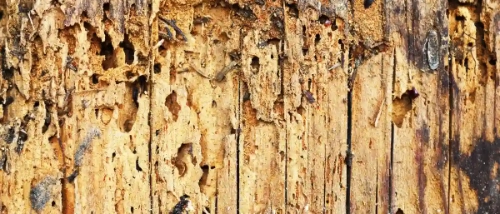
Wood-destroying insects damage timber as they excavate tunnels to build nests. The long-term consequences for homes and businesses throughout North and South Carolina are structural damage and potential property write-down. 

If you’re buying a home, see something odd in your woodwork, or just want to prevent problems, it’s important to know what to watch for. A professional wood-destroying insect inspection will detect issues and help protect your property before repairs get expensive.

Types of Wood-Destroying Pests in South Carolina

There are several types of wood-destroying insects in the Carolinas. Some eat wood, while others hollow it out for nesting. Each species needs a different control method. Here are the most common ones we see in this area.

Carpenter ants target soft, damp, or decaying wood, creating intricate nesting galleries using their powerful mandibles. They leave behind small piles of sawdust-like debris called frass. They are most active at night.

Carpenter bees drill perfectly round holes into unpainted or weathered wood. Decks, eaves, fascia boards, and wooden siding are common targets. One bee might not seem like a problem, but when several generations return to the same spot year after year, they can cause serious structural damage.

The old house borer (Hylotrupes bajulus) is a beetle that bores into softwood used in construction, like pine and spruce. The problem is that its larvae can stay hidden inside the wood for up to 12 years before becoming adults. By the time you see exit holes, the damage inside can already be severe.

Powderpost beetles are one of the most damaging wood-boring insects after termites. Their larvae feed inside both hardwood and softwood, turning them into a fine, flour-like powder. Infestations often go unnoticed until adults come out through small, round holes, leaving behind piles of powdery frass.

Termites are the most destructive wood-destroying pests in North America. Subterranean termites, which are the most common in the Carolinas, live underground and use mud tubes to reach the wood in your home. They feed all day, every day, and a mature colony can cause extensive structural damage. The best way to catch them is with a professional termite inspection.

Wood decay fungus is not an insect, but it should be included among wood-destroying organisms. Also known as dry rot or wet rot, it grows in damp, poorly ventilated places like crawl spaces, basements, and areas with plumbing leaks. It digests the structural fibers in timber, weakening it and creating conditions that attract termites and carpenter ants.

 Signs of Wood-Destroying Insects

Finding an infestation early can really lower the cost and complexity of treatment. Here are the most common signs of wood-destroying insects to look out for:

  • Small round or oval holes in wood surfaces. This can be a sign of wood-boring beetles or carpenter bees.
  • Sawdust or frass near baseboards, windowsills, or wooden beams
  • Mud tubes on foundation walls or vertical supports. These are a key sign of subterranean termites.
  • Wood that sounds hollow when tapped. This suggests there may be tunneling or feeding inside.
  • Discarded wings near windows or doors, especially in spring. These are often left behind by termite swarmers.
  • Soft or spongy wood, which may indicate fungal decay along with insect activity.
  • Clicking or rustling sounds from inside the walls.

If you're seeing any of these signs, don't wait. A wood-destroying insect inspection by a trained technician will confirm what you're dealing with and offer a clear picture of the damage.

Book your Inspection Today

Got a pest problem? Don’t wait.

Every hour counts when pests are involved. Call now to book your free inspection.

Contact Your Local Professional Pest Control Experts

Whether you are facing a current problem or preparing for seasonal changes, we provide clear guidance, EPA-approved solutions, and reliable support to help keep your home or business protected.

We also provide professional services for bed bugs, ants, rodents, wasps, mosquitoes, and many other pests through our local pest control specialists. If you need support with wood-boring insects or any other pest issue, we are here to help.

Get In Touch

About Us

The personal touch sets Gregory apart from other companies. We have been family owned and locally operated since 1972. We get to know you, your family and home.