800-922-2596 Call Now Book a Free Inspection

As their name suggests, carpenter ants love wood. So they can cause serious problems.

They don’t eat weakened wood. They chew it to excavate it. So they can severely damage property by tunnelling into beams, walls and other supporting structures, which can cause you costly repairs.

Busy kitchens, breakrooms, basements, and crawl spaces are all flashpoints for carpenter ants. They don’t spread disease, but they can harm the integrity of a building and the reputation of a business.

Color: Black, reddish-brown, or a mix. Some have red or yellow markings.

Legs: Six

Size:  3/8 to 1/2 inch for workers, up to 1 inch for queens. One of the longest ants in the U.S.

Antennae: Two

Region: Many species roam widely across the U.S., especially in forested or dense woodland areas.

Threats: Can inflict non-poisonous, but painful bites.

What Are Carpenter Ants?

Carpenter ants are one of the largest ants in the U.S. and tunnel through crawl spaces, wall voids, and roof beams to find food and water. They eat sweets and sugary foods, proteins, and even other insects. If they can’t find those, they’ll forage for leftovers in homes, cafeterias, and dining halls.

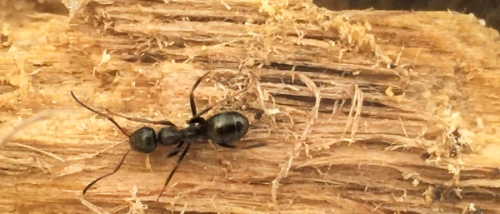
They build nests by chewing through moisture-damaged or weakened wood. If you see any sawdust-like debris, it’s a telltale sign that you have carpenter ants. Each nest usually has a queen and many workers. In ideal conditions, queens can live up to 25 years and produce thousands of worker ants, so infestations can spread through interconnected satellite colonies.

Sawdust is a sign of carpenter ant damage

Signs of Carpenter Ant Infestation

Identifying a carpenter ant infestation early can save you from major structural and costly repairs in the future. The most common signs of carpenter ants include:

  • Large black ants indoors, near kitchens, store rooms, or around windows.
  • Sawdust-like debris (called frass) beneath baseboards, door frames, or other wooden areas.
  • Rustling noises in walls or ceilings as ants tunnel through wood.
  • Winged swarmers  in spring or early summer is often a sign of a mature colony
  • Trails of ants traveling to and from food sources

Have you spotted any of these red flags?
If you have, it’s best to take action straight away. Ignoring these signs or delaying action could cause extensive building damage over time and cost more to fix. Catching infestations at the start can stop small problems from becoming major issues.

Overflowing bins in commercial kitchens and break rooms can attract carpenter ants

Why Do I Have Carpenter Ants?

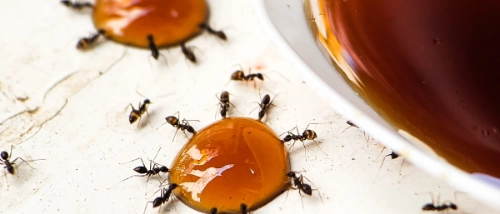
Carpenter ants are big fans of human food, so crumbs, spills, or unsealed leftovers are like a flashing welcome sign. Think about it: an open box of cookies in the pantry, a sticky counter in the breakroom, or overflowing garbage amount to an open invitation.

But it's not just about the snacks. These ants are also on the hunt for a good place to nest. Leaky pipes, clogged gutters, or poor ventilation keep wood moist creating the perfect excavation site. They'll tunnel through softened wood in walls, beams, attics, or basements, kicking out those tell-tale sawdust piles. Once they've got a primary nest, they can quickly establish smaller satellite colonies throughout your building.

Ignoring these indicators means recurring infestations because spraying a few ants won't fix the core issue. They're constantly looking for food sources and ideal nesting spots, and if your place offers both, they'll keep coming back.

You can prevent ant infestations by cleaning up spills

How Can I Prevent Carpenter Ant Infestations?

You can start by keeping all edibles in airtight containers, cleaning up spills and crumbs, and not leaving pet food out for extended periods. Regularly empty trash cans and make sure they have tight-fitting lids. Thorough cleaning, including wiping down counters and appliances, is crucial. In facilities covered by FSMA or HACCP, organized cleaning routines and documented inspections reduce contamination risks while keeping businesses prepared for audits and regulatory reviews.

Beyond food, address any water issues. Fix leaky faucets, pipes, and drains immediately, and ensure basements and crawl spaces are properly ventilated to reduce humidity. Equally, you should trim vegetation that touches your building, which provides an access bridge for ants, and pay extra attention to cracks and crevices.

Store-bought devices, like ant sprays and baits, can offer short-term relief and provide a false sense of security. However, professional ant treatments are tailored to your situation and target the whole colony, not just surface activity. 
Do Carpenter Ants Bite?

Carpenter ants do bite when they feel threatened. They’re not poisonous, but bites can break the skin and be painful. Occasionally, they may cause minor swelling or irritation and require treatment. If a bite is painful or looks infected, get advice from a healthcare professional.

While bites are infrequent, any sightings of carpenter ants should be dealt with quickly. This is vital in commercial businesses where compliance and consumer trust could be undermined.

These are not solitary insects. If you spot just one ant or a small group, it indicates an active carpenter ant nest hidden in or around your building that could contain hundreds of ants, leading to widespread infestation.

How Gregory Pest Solutions Can Remove Carpenter Ants From Your Home Or Business

Our approach goes well beyond over-the-counter treatments. We target the queen and disrupt satellite nests. We provide discreet solutions that meet industry regulations, keeping operations compliant and protected.

Choose Gregory Pest Solutions and you’ll have a team with extensive Southeast experience that delivers effective, long-lasting solutions.  With professional carpenter ant control, you can protect your investment and reduce the risk of future infestations.

Ready to Get Started?

Our technicians are ready to rid your home or business of unwanted carpenter ants.

Contact a Professional of Carpenter Ant Extermination

Professional ant control gives you the best chance to protect your family and property by stopping carpenter ants.

Gregory Pest Solutions serves homes and businesses throughout the Southeast, offering reliable pest control services backed by decades of experience.

Whether you need preventive support or urgent carpenter ant extermination, we offer comprehensive solutions for both residential and commercial property owners. Contact us today to schedule a visit for fast pest control assistance.

Other Types of Ants

Pavement Ants

When inside, they build nests in walls, insulation, and under floors. When outside, they build nests under flat stones, sidewalks, and concrete slabs.

Frequently Asked Questions

Look for piles of sawdust-like debris and hollow-sounding wood. Rustling noises in walls may also suggest active tunneling, especially in damp or weakened areas of your home or commercial property.

They nest in softened or water-damaged wood, often in tree stumps, decks, attics, or behind siding. Satellite nests are commonly found in wall voids or insulation near moisture.

The best effective method targets the entire colony, including the queen. Professional carpenter ant extermination provides longer-lasting results than DIY treatments alone, which usually only treat surface activity.

Bait and traps may reduce worker ants, but they rarely eliminate colonies. They often miss hidden satellite colonies, which can allow infestations to return. Professional ant control is more thorough and reliable.

Call when you notice recurring ant activity, winged swarmers indoors, or piles of frass (sawdust-like debris). Early action from a pest management professional helps prevent colony expansion and structural damage, which could cost much more to fix.

Get In Touch

About Us

The personal touch sets Gregory apart from other companies. We have been family owned and locally operated since 1972. We get to know you, your family and home.