800-922-2596 Call Now Book a Free Inspection

Crazy ants are a growing concern for homeowners and businesses across the Southeastern United States. Thanks to the region’s temperate climate, these ants are widespread throughout North and South Carolina, creating health concerns and frustration among residents struggling to protect their properties. To make matters worse, this invasive species displays erratic behavior and builds large colonies that invade in huge numbers, making them hard to control.

Color: Dark brown to blackish, sometimes with a faint bluish iridescence

Legs: Six

Size: 1/16 to ⅛ inch

Antennae: Two antennae with 12 segments

Region: Found in many parts of the U.S., including the Southeast, Florida, parts of Texas, California, Arizona, and more temperate zones indoors.

Threats: They release formic acid when threatened, which can irritate, and contaminate food.

What Are Crazy Ants?

There are two main crazy ant species in North America, although the longhorn crazy ant (Paratrechina longicornis) is the most widespread and problematic in the Carolinas. Originally native to Africa or Asia, it was introduced into the U.S. on cargo ships and is now prevalent in towns and cities across the region. The other common U.S. species is the tawny crazy ant (Nylanderia fulva); imported from South America, which is primarily found in Texas. 

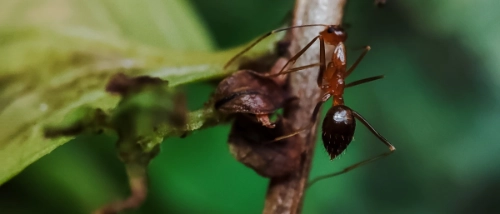
Crazy ants typically measure between two and three millimetres and range in color from dark brown to black. They get their name from their rapid, unpredictable movements. Unlike many other ant species, they have unusually long legs, which makes their motion look even more chaotic.

Their colonies are often polygyne, meaning they have many queens, as well as the standard workers, reproductives, and larva that make up ant colonies. However, crazy ant colonies grow much larger than most, often comprising millions of individuals. This is the hallmark of their dominant nature that allows them to outcompete native species for resources.
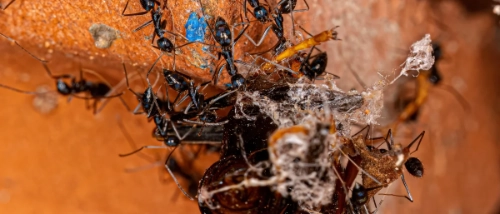
Crazy ants move in a disorganised way

Signs of Crazy Ant Infestation?

Their long antennae and legs are distinct features that separate them from other ants, but their disorganized movement is the most obvious species-specific indicator. Crazy ants are hard to miss as they zigzag back and forth from their nests to food sources. Also look out for:

  • Trails of ants leading to food sources like sweets, proteins, or pet food
  • Infestations around electronics, wires, or outlets (they are known to damage circuits)
  • Soil nests near foundations, driveways, or landscaping features

Because their colonies and ant populations are much larger than average, a few ants indoors are probably signs of a much larger colony. Be warned: crazy ants do not form neat, visible mounds, so their nests are often hidden in wall voids or under leaf litter, logs, and rocks. If you suspect you may be dealing with them, it’s time to look into how to get rid of crazy ants before the infestation spreads.

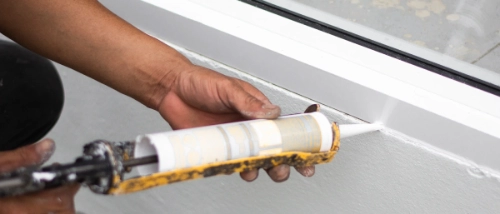
Applying caulk to gaps around doors and windows can help prevent ants from entering

How Can I Prevent Crazy Ant Infestations?

There are some practical preventative steps that business and home owners can take to reduce the chance of crazy ants entering:

  • Block access around windows, doors, and utility conduits.
  • Use caulk, putty, or plaster to block small entry points.
  • Store pantry items in airtight, hard plastic or glass containers.
  • Clean up crumbs, spills, and pet food promptly to remove food sources.
  • Reduce moisture by fixing leaky pipes and using dehumidifiers where needed.

These can make your property less attractive to ants, but prevention is not always enough. Because crazy ants are an invasive species that can establish large populations outdoors, infestations often return even after careful cleaning. 

Crazy ants don’t generally bite but have a large jaw

Do Crazy Ants Bite?

Crazy ants do not bite or sting in the same way as fire ants. Instead, they defend themselves by releasing formic acid from a structure called an acidopore (nozzle-like opening) at the tip of their abdomen. While they are not a direct medical threat, having hundreds, thousands, or even millions of ants in your apartment or workplace can feel overwhelming. 

Large ant populations can overrun communal kitchens, basements, storage areas, and electrical units, disrupting productivity, contaminating stored goods, and scaring off customers. If you experience irritation from contact with ants, consult a healthcare professional.

How Can Gregory Pest Solutions Remove Crazy Ants From My Home Or Business?

Crazy ants are persistent but can be managed with the right treatment approach. Gregory Pest Solutions offers professional crazy ant pest control for homeowners and the commercial sector. Our technicians live in the surrounding area and understand the specific challenges of invasive ants like these. When you choose us, we will:

  1. Inspect your property to identify entry points, nests, and ant populations.
  2. Develop a targeted treatment plan that is effective for your specific infestation.
  3. Provide ongoing protection with regular pest control service, helping ensure that ants don’t return.

We can help protect your home or business with proven strategies that address the ants you see and the ones you don’t. For sites governed by FSMA or HACCP standards, our approach also supports structured cleaning practices and detailed inspections, helping you maintain sanitation and stay compliant with municipal and state regulations.


Ready to Get Started?

If you're going crazy from crazy ants, give us a call and we'll restore sanity.

800-922-2596 

Contact a Professional for Crazy Ant Extermination

Crazy ants don’t need to disrupt your property any longer. Our team has the experience and knowledge to help homes or businesses in North or South Carolina gain control. At Gregory Pest Solutions, we offer targeted solutions for residential and commercial property owners, using proven methods beyond short-term surface treatments that stop ants from causing problems.

Contact us today to schedule a visit and start protecting your property from invasive crazy ants.

Other Types of Ants

Small, dark brown ants known for forming massive supercolonies. They often invade homes in search of sweets and moisture.

Large black ants that chew through wood to build their nests, causing structural damage over time.

Fire ants are aggressive and will bite and sting if disturbed. Their stings can cause pain, swelling, and, in some cases, allergic reactions.

Tiny and dark-colored, they are often seen in kitchens and around garbage. They live in large colonies and invade indoor spaces while foraging for food.

When crushed, they give off a foul, rotten smell; hence their name. They’re known to trail along walls and baseboards looking for sweets and protein.

Pale yellow ants that commonly infest hospitals, apartments, and commercial kitchens. They can carry bacteria and split into new colonies when threatened.

Frequently Asked Questions

Crazy ants spread quickly because colonies grow large and often split into new nests, making infestations expand rapidly. Without suitable pest control, their populations can overtake a property in weeks.

The most effective way is professional treatment. DIY methods may help temporarily, but calling experts ensures long-term results and addresses the root cause of the infestation.

Yes, large infestations can damage electrical equipment and contaminate food supplies, creating inconvenience for property owners and leading to expensive repairs. Their activity can also lower a property's comfort and cleanliness.

Baits and traps may reduce numbers, but they rarely eliminate infestations. Professional crazy ant pest control is more reliable because it targets visible ants and hidden colonies.

If DIY steps fail or the infestation grows, it’s time to call Gregory Pest Solutions for help protecting your property. Acting early prevents the problem from spreading, making it harder to control.

Get In Touch

About Us

The personal touch sets Gregory apart from other companies. We have been family owned and locally operated since 1972. We get to know you, your family and home.