800-922-2596 Call Now Book a Free Inspection

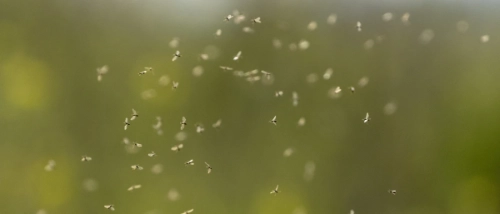
Residents in the Carolinas are accustomed to flying ants. They typically emerge on warm, humid days following rain, which is a common weather pattern in the region. These ants appear wherever colonies exist and often swarm unexpectedly, leading to invasions through open windows and doors that can overwhelm and alarm residents and workers. Most flying ant species cause little or no damage, although carpenter ants are an exception, and can destroy wood structures over time. 

Color: Dark brown to black, depending on species

Legs: Six

Size: Typically ⅛ to ¼ inch

Antennae: Bent or elbowed

Region: Throughout North and South Carolina

Threat: Nuisance pest; may indicate a mature colony nearby

What are Flying Ants?

Flying ants are not a unique species but the reproductive males and females (or alates) of an existing colony, including carpenter, pavement, and fire ants. These reproductives grow wings to swarm and mate in late spring and summer. Known as ‘nuptial flights,’ large swarms typically disperse within a few hours. After mating, the males die, and the newly mated queens shed their wings to establish a new colony. Since ant colonies are prevalent across North and South Carolina, any town or city can experience a swarm. 

Although often mistaken for flying termites, flying ants possess distinct features that differentiate them. They have ‘elbowed’ or bent antennae, in contrast to the straight ones of termites. Flying ants also have a narrow, pinched waist, compared to the termites' straight, broad body, and have two pairs of wings, with the front pair noticeably larger than the back pair, while termites' wings are roughly equal in size.

Group of pharaoh ants roaming around for food

Signs of Flying Ant Infestation?

The sudden appearance of flying ants usually indicates a well-established colony nearby. One common sign is the discovery of shed wings on floors, countertops, or near entry points. These wings are left behind after mating flights, suggesting that ants are reproducing either inside or just outside the building.

Swarms may emerge from vents, gaps in baseboards, or behind bathroom tiles, and enter through load docks, storage units, and communal hallways.  

The sight of worker ant trails leading to and from food sources, near dumpsters or drains, can provide an early warning of impending swarms. However, you’ll need to identify the species to be certain.

When flying ants infest customer-facing areas, such as dining rooms in healthcare centers, they cause inconvenience and raise concerns about cleanliness and credibility. They risk non-compliance with health standards in commercial settings governed by FSMA or HACCP regulations, and can generate complaints from tenants, staff, and customers
Group of pharaoh ants roaming around for food

Why Do I Have Flying Ants?

Swarms are timed and intentional events, though they don’t specifically aim to enter buildings. Due to their sheer numbers (thousands to millions), large swarms will inevitably fly through open windows and other entry points. As late spring and summer are peak seasons, monitoring ant activity and installing insect netting is advisable to block access.

High humidity and poor ventilation create a favorable environment for ants to thrive. Leaky pipes, condensation, and general dampness provide vital water sources, while damp wood is particularly attractive to certain ant species, like carpenter ants. Ensure HVAC and heating systems are regularly serviced to avoid moisture build-up, and keep alert to fevered activity around ant nests that could signal an imminent swarm.

kitchen sink with small ants walking on the dirt, dirty dishes in the background. problem with insects attracted by food scraps

How Can I Prevent Flying Ants?

Property maintenance is key to preventing flying ant infestations. Cracks and gaps around windows, doors, and foundations must be sealed, and moisture in crawlspaces, basements, or under sinks fixed. Food should be stored in sealed containers, and spills or crumbs cleared away promptly, especially in areas where ants commonly forage.

Cleaning routines should extend to hidden areas such as under equipment, behind storage racks, and inside wall-mounted fixtures where ants might enter or nest at food-handling sites. Regular inspections of floor drains and utility access points are essential, particularly during periods of high ant activity. 

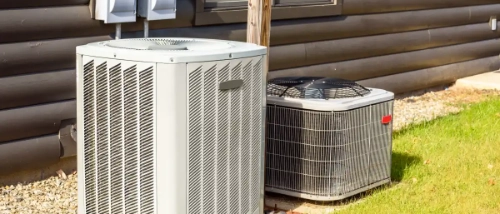
Exterior areas like mulch beds, sidewalks, and HVAC pads should also be examined for signs of ant trails or swarmers, as colonies often establish nests just outside a building before moving indoors.

Do Flying Ants Bite or Sting?

Most flying ants don’t bite or sting. Their job is reproduction, not defense, and they rarely interact with people unless they’re swarming indoors. That said, some species, like carpenter ants, can bite if handled, though this is uncommon and usually not serious. If a bite causes irritation or swelling, speaking with a healthcare provider is a good idea.

While the physical risk from flying ants is low, swarms can raise other concerns in high-risk environments. Their appearance near patient rooms or sterile areas can lead to sanitation issues and threaten health code violations. Equally, flying ants around prep surfaces and storage rooms in food processing and packaging facilities may lead to contamination and trigger safety inspections. Even if the ants themselves aren’t dangerous, they can spread bacteria, which is a cause for concern in healthcare locations that care for vulnerable individuals. Professional ant extermination can locate and remove nests before swarming season, preventing the disruption and worry of flying ants on your premises.

Can Flying Ants Damage My Property

Carpenter ants are the main flying ant species that damage property as they tunnel into damp or softened wood to build nests. While they don’t eat wood like termites, they do hollow it out, which can lead to structural damage.

The bigger issue for commercial businesses, like hospitality and restaurants, is maintaining customer confidence and protecting their reputation. A swarm during business hours can disrupt staff and make customers question cleanliness and oversight. In food prep areas, discarded wing fragments near equipment or work surfaces can raise the risk of contamination and lead to compliance issues. 

For property managers, reports of flying ants in more than one residential unit may suggest a hidden nest in shared structural spaces, often leading to tenant complaints and ongoing maintenance challenges. Whether you’re managing a commercial site or single-family housing, ignoring early signs of flying ants can make infestation much harder to control as the nest grows.

How Can Gregory Pest Solutions Remove Flying Ants From My Home or Business?

At Gregory Pest Solutions, we know that flying ants indoors can be stressful, especially when you’re unsure where they’re coming from. Our technicians will conduct a detailed inspection to identify the ant species, locate nests, and pinpoint vulnerabilities. Because flying ants only appear once a colony is mature, we focus on the established colony, not just the visible swarm.

We will inspect hard-to-reach areas like utility access points and equipment units, where moisture and heat can build up unnoticed. Our team works discreetly in active businesses, including food retail, healthcare, and managed properties, with solutions tailored to your site’s needs and activity level. This might mean treating wall voids, crawlspaces, or exterior entry points. Regular follow-up and prevention strategies help reduce the risk of future swarms to protect your property and business productivity.

Ready to get started?

Give us a call anytime for smarter Flying ant solutions you can count on, every time.

Contact a Professional for Flying Ant Extermination

If you see flying ants in the house or your business, it's time to call in a professional team to help find the source and take action to bring the problem under control.

At Gregory Pest Solutions, we help homeowners and businesses across the Carolinas manage ant infestations with targeted, property-specific solutions. Whether you're dealing with swarms in a shared kitchen, office, or tenant unit, our technicians will work quickly to assess the situation and build a plan that fits your space. Don’t let flying ants disrupt your routine. Contact us to schedule a visit, and we’ll help you get things back on track.

Types of Ants

Large black ants that chew through wood to build their nests, causing structural damage over time.

Fast and erratic, these small reddish-brown ants are found near electrical equipment. They can displace other insects and bite when disturbed, though they don't sting

Fire ants are aggressive and will bite and sting if disturbed. Their stings can cause pain, swelling, and, in some cases, allergic reactions.

Tiny and dark-colored, they are often seen in kitchens and around garbage. They live in large colonies and invade indoor spaces while foraging for food.

When crushed, they give off a foul, rotten smell; hence their name. They're known to trail along walls and baseboards looking for sweets and protein. 

Pale yellow ants that commonly infest hospitals, apartments, and commercial kitchens. They can carry bacteria and split into new colonies when threatened.

Frequently Asked Questions

Flying ants vs termites can be hard to tell apart, but flying ants have bent antennae, narrow waists, and two pairs of wings that are different lengths. Termites have straight antennae, thick waists, and wings that are all the same size. More importantly, termites cause structural damage by feeding on wood, while flying ants (even carpenter ants) excavate wood only to nest in it.

The most effective way to manage flying ants is to target the colony, not just the swarm. If you're wondering how to get rid of flying ants, a simple solution for ants indoors is to spray them with a mixture of water and a few drops of dish soap, as the foam can suffocate and kill them on contact. Nevertheless, professionals use proven techniques to locate nests and prevent future outbreaks, which are generally more effective.

Flying ants usually swarm in the summer, especially after warm rains when humidity is high. Their sudden appearance means a nearby colony has matured and released reproductive ants to start new nests.

Get In Touch

About Us

The personal touch sets Gregory apart from other companies. We have been family owned and locally operated since 1972. We get to know you, your family and home.