800-922-2596 Call Now Book a Free Inspection

Fire ants are some of the most aggressive ants in the United States. Their painful stings and large, visible mounds make them more than just a nuisance. They can interrupt outdoor activities, harm your yard, and even put people, pets, and livestock at risk.

Because fire ants are so tough and aggressive, they are one of the hardest pests to control in North and South Carolina. At Gregory Pest Solutions, we include fire ant control in all our residential and commercial pest programs, so every customer receives reliable, customized help.

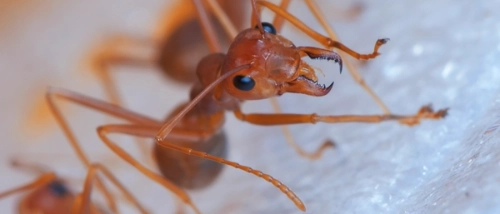
Color: Reddish-brown

Legs: 6

Shape: Segmented body with a distinct, narrow waist and a visible stinger at the tip of the abdomen

Size: About 1/8 to 1/4 inch (3–6 mm)

Antennae: Yes, elbowed with a noticeable club at the ends

Region: Common throughout the southern United States

How to Identify Fire Ants

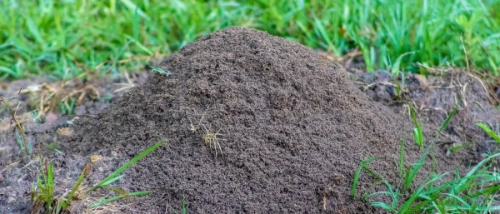
Fire ants are most often identified by their reddish-brown color and large, dome-shaped mounds outside. Unlike other ant species that build inconspicuous nests, they create mounds that may rise several inches above ground level. Fire ant nests are typically located in open, sunny areas such as lawns, fields, and along sidewalks. Inside the mound, colonies can extend deep into the soil, housing thousands of worker ants. Fire ant colonies often have multiple queens, allowing them to grow very quickly.

One of the easiest ways to identify fire ants is to observe how they react when their mound is disturbed. Hundreds of workers will swarm within seconds, stinging anything they perceive as threatening.

Fire Ants Behavior, Diet & Lifecycle

Fire ants are social insects that live in large colonies. Each colony is structured around queens that lay eggs, workers that maintain the nest and forage for food, and soldiers that defend against threats. Colonies can contain hundreds of thousands of ants, and in regions like South Carolina, multiple colonies may spread across large properties.

Their diverse diet allows them to thrive in a wide range of environments. Fire ants feed on insects, seeds, fruits, and even small animals when given the chance. They are also known to invade pet food bowls or livestock feed, creating frustration for homeowners and farmers. Because they are opportunistic, fire ants can quickly adapt to different food sources, making them challenging to eliminate.

The fire ant life cycle has 4 stages, beginning with eggs laid by the queen. These eggs develop into larvae, pupae, and eventually adult ants. Worker ants live only a few weeks, but queens can survive for years, producing thousands of offspring. This reproductive capacity explains why fire ant colonies multiply quickly.

ant hill in grass

What are the Signs of a Fire Ant Infestation?

Any of the following signs can indicate an established or growing fire ant colony nearby: 

Mounds & Nesting. Look for large mounds of loose, fluffy soil in sunny, open areas like lawns, parking lots, playgrounds, or landscaped grounds. The mounds can be several inches high and often cluster near sidewalks, driveways, loading docks, or building foundations, especially after rain or irrigation. 

Ant Trails & Movement. You may see reddish-brown ants forming visible trails to and from cracks in pavement, around utility boxes, or along the edges of buildings. These ants are highly active and move in organized lines, transporting food or soil. 

Attraction to Heat & Vibration. Note increased activity near electrical equipment, HVAC units, or outdoor lighting, as the warmth and vibration attract colonies. In commercial settings, infestations may occur near loading areas or equipment yards. 

Indoor SightingsOccasionally, fire ants can be spotted near doors, vents, or utility lines inside,which indicates a nearby outdoor colony.

These warning signs are a red flag that should not be ignored. Prompt inspection and professional treatment are essential to prevent structural damage, protect people and pets, and stop the infestation from spreading further.
crazy ants swarming on plant

Common Places Fire Ants are Found

Fire ants are not particularly fussy about where they nest or invade when the conditions are right, whether indoors or outside. 

  • Lawns, playgrounds, sports fields, golf courses, parks, and roadsides.
  • Prefer sunny spots with loose, well-drained soil to absorb warmth.
  • Utility boxes, electrical equipment, and HVAC units.
  • Industrial sites, loading docks, and landscaped grounds.

Fire ants infiltrating electrical units can cause short circuits and irreversible equipment damage. Given these financial and operational risks, combined with the severe health threats posed by their painful, repeated stings, professional intervention is necessary to protect your property and people.

red ant close up with others blurred in background

Are Fire Ants Dangerous to People and Pets?

Yes, fire ants are more than just painful. Here’s why they are considered a serious health and safety risk:

  • Stings from fire ants are intense and often recur. They grip with their mandibles and sting several times, causing a sharp burning feeling, bumps, pustules, and sometimes scarring.
  • People react differently to fire ant stings. For some, the pain is severe but manageable, while for others, the reaction can be much more serious.
  • Anaphylaxis is a real risk. When fire ants attack in large numbers, multiple stings can cause a severe allergic reaction that needs immediate medical attention.
  • Pets and livestock are also at risk. Animals may accidentally disturb a mound and get stung many times before they can get away.
  • Fire ants can also cause serious agricultural damage. Their colonies may harm crops, injure young livestock, and build nests inside electrical equipment and utility boxes.

If you see a fire ant mound, do not go near it. Call a pest control professional right away, because where there is one mound, there are usually many more close by.

If you or someone else experiences a severe reaction to fire ant stings, seek medical attention immediately.

Seeing Fire Ants?

Call now to book your free inspection.

How to Prevent Fire Ants?

To keep fire ants away, you need to restrict access to the things that bring them to your property in the first place, like food, water, and shelter. Ensure outside dumpsters and trash cans are away from entrances and frequently emptied. Don’t pile up grass or wood clippings that provide perfect mound-building locations, and keep an eye out for any moisture build-up on your property.

Fire ants are highly resilient. In spite of these measures, infestations can reappear as new queens establish colonies nearby. For this reason, prevention often requires more than just DIY strategies. Property owners who rely solely on store-bought products may temporarily reduce activity, but the colonies often reboundProfessional pest control addresses the problem more effectively by targeting both visible colonies and hidden populations.

How Can Gregory Pest Help with Fire Ants?

If you have problems with fire ants, Gregory Pest Solutions is here to help. We provide fire ant extermination services throughout the Carolinas, including Greenville, West Columbia, and Charlotte. Our experienced technicians understand fire ant behavior and apply professional-grade treatments to destroy fire ant nests and eliminate visible ants.

Whether you need ant control in suburban neighborhoods or large-scale commercial properties, Gregory offers tailored solutions for residential and business needs. We are local and know how to control pests in South Carolina, ensuring long-term results.

Other Types of Ants

Frequently Asked Questions About Fire Ants

Fire ants are reddish-brown ants known for their aggressive swarming and painful stings. Unlike many ants, they attack in large numbers and inject venom, making them a greater threat.

They prefer warm, sunny environments such as lawns, fields, and open landscapes. In South Carolina, they are often seen in yards, parks, and along sidewalks or driveways.

They spread quickly, forming large colonies that outcompete native ants and disrupt ecosystems. Their resilience and ability to establish new colonies make them challenging to control without professional help.

Fire ant mounds are dome-shaped, crumbly, and lack a central opening. Unlike most other species, when disturbed, large numbers of aggressive ants surface immediately.

A fire ant sting typically causes a burning sensation, followed by a raised blister or pustule. Some people may experience allergic reactions; anyone with severe symptoms should contact a healthcare professional immediately.

DIY efforts may temporarily reduce activity, but fire ants often return. Professional fire ant control services from Gregory Pest Solutions target colonies directly and include long-term prevention strategies.

Get In Touch

About Us

The personal touch sets Gregory apart from other companies. We have been family owned and locally operated since 1972. We get to know you, your family and home.