800-922-2596 Call Now Book a Free Inspection

Flying Insects

Flying insects are annoying for both homes and businesses. They happily make their way through open doors, damaged screens, or tiny structural gaps, quickly becoming a nuisance that is hard to ignore. Some are annoying, buzzing around lights or food, but others can contaminate surfaces, bite, or even damage stored products. Identifying the type of flying insect you are dealing with is the first step toward effective control and prevention.

Flying insects can range from tiny black flying insects that appear around drains or plants to big flying insects that become trapped near windows. Whether indoors or outdoors, these pests reproduce rapidly and often require more than a temporary solution. Effective fly insect control services apply prevent and extermination for long term results.

Flying Insect Identification & Characteristics

Flying insects belong to various species but share the common trait of wings, allowing them to travel quickly between food, water, and shelter. Some are strong fliers that can cover large distances. In contrast, others, such as small flying insects in house environments, may linger near food residues or moisture.

Recognizing their physical features and habits helps determine the right course of action. For example, flies reproduce quickly in organic waste, moths target stored grains, and stink bugs invade buildings in the fall as temperatures drop.

Flying Insect Types

Flying insects come in many shapes and sizes, and each type behaves differently depending on its environment. Understanding the different types of flying insects is key to managing infestations effectively and choosing the proper control methods.

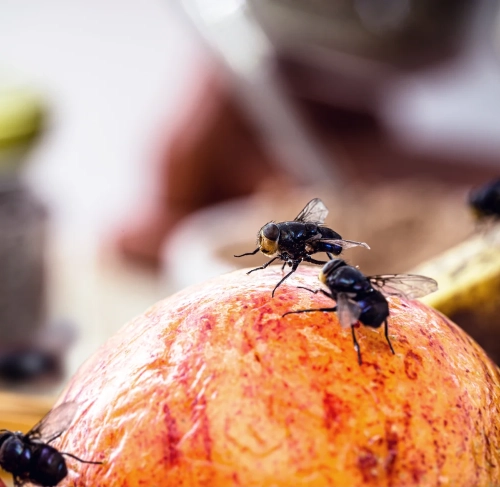
Flies are among the most common flying insects encountered indoors. They are strongly attracted to moisture, organic material, and unsealed food. Depending on the species, they may breed in garbage, drains, compost, or animal waste. 

Indian meal moths are another flying insect often found in kitchens, warehouses, and grocery stores. These pests infest dried goods such as grains, flour, cereal, and pet food. Indian meal moths are directly tied to stored products, making professional inspection and removal essential.

Stink bugs are large flying insects that become troublesome during autumn. Known for their shield-shaped bodies and distinctive odor when crushed, they gather in large numbers and seek entry into buildings as the weather cools. They create significant annoyance when they invade homes or commercial spaces in groups.

Flying Insect Control Tips

Managing flying insects requires a combination of preventive measures and professional treatment. Warmer months bring more flying insects, making summer and early fall especially challenging. 

Homeowners and business owners can take several proactive steps to protect their property and reduce the conditions that attract flying insects:

  • Eliminate standing water: Remove or refresh water in birdbaths, gutters, planters, and outdoor containers.
  • Seal entry points: Check for gaps around windows, vents, and door frames, and use weatherstripping or screens to block entry.
  • Keep lights in check: Switch to yellow or LED bulbs outdoors and reduce unnecessary nighttime lighting near entrances.
  • Maintain clean surroundings: Dispose of food waste promptly, keep outdoor dining areas clean.
  • Trim vegetation: Overgrown shrubs and grass provide resting and breeding spots for many flying insects.
  • Store waste properly: Use bins with tight-fitting lids and keep them away from doors and windows to prevent attracting flies and gnats.
  • Inspect and service drains: Indoors, clean sink and floor drains regularly where gnats or drain flies might breed.
  • Schedule regular inspections: A professional pest control provider can detect early signs of infestation, identify hidden breeding zones, and apply targeted treatments before problems spread.

Flying Insect Repellent

Flying insect repellent can help keep some flying insects away. However, it usually doesn't get rid of infestations by itself. Store-bought sprays, essential oils, and candles can help outside but are less effective indoors, especially in areas with food or moisture.. More advanced repellents designed for commercial spaces and high traffic environments may help reduce populations. 

Still, they work best when paired with thorough sanitation and structural maintenance.

There are several types of repellents and misters available, ranging from water-based systems that disperse a fine mist of botanical or synthetic insecticides to timed-release aerosol dispensers used in restrooms or entryways. While these can help reduce flying insect activity in the short term, they should be carefully maintained and used alongside professional pest control services to ensure effectiveness and compliance with health and safety regulations.

Flying Insect Traps

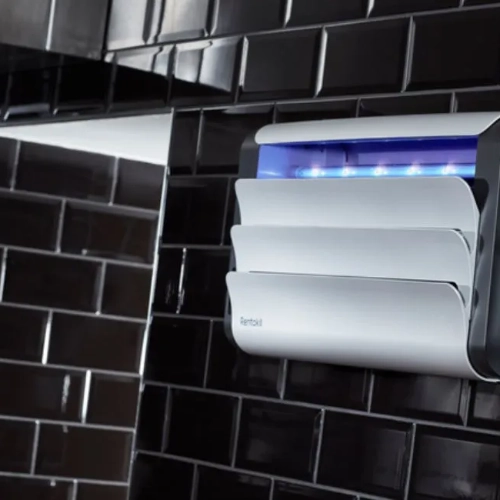
A flying insect trap can be highly effective when placed strategically. Modern traps, including LED fly lights, attract and contain insects discreetly. This makes them useful in restaurants, grocery stores, and other businesses where visible fly activity would alarm customers. In residential settings, traps can reduce the number of small flying insects in house areas, particularly kitchens and bathrooms.

Traps alone, however, cannot resolve infestations if breeding sources remain. Garbage bins, floor drains, compost piles, and overripe fruit all provide ideal environments for reproduction. Eliminating these attractants is essential alongside the use of traps.

Contact Professional Flying Insect Exterminator

If populations of flying insects are large or persistent, you usually need expert help. Flying insects reproduce quickly, spread easily, and compromise comfort and sanitation. 

At Gregory Pest Control, our expert exterminators find the species and spot breeding areas. Then, they create custom solutions to protect your property for the long term.

The stakes are even higher for businesses in food retail or food and beverage service industries. These flying pests can harm health inspections, product quality, and customer satisfaction. A proactive approach with professional services ensures compliance and maintains a healthier environment.

Struggling with pests? Contact Gregory Pest Control. We can save you time, reduce frustration, and protect your reputation.


Ready to Get Started?

Our experts are ready to find and wipe out your home's unwanted pests once and for all.

800-922-2596 

Frequently Asked Questions About Flying Insects

Common species include house flies, fruit flies, drain flies, gnats, moths, mosquitoes, and stink bugs. Some infest food, while others are drawn indoors by light or warmth.

Food residue, organic waste, moisture, and light often attract them. Open doors, damaged screens, and structural cracks make it easy for insects to enter.

Some are nuisance pests, but others can contaminate food, spread bacteria, or bite. Mosquitoes, for example, can transmit diseases, while flies carry harmful pathogens.

The biggest attractants are moisture, garbage, leftover food, and light sources. Kitchens, drains, and outdoor trash bins are typical hotspots.

Keep food sealed, take out trash regularly, clean drains, and repair torn screens. Eliminating standing water and clutter also reduces breeding opportunities.

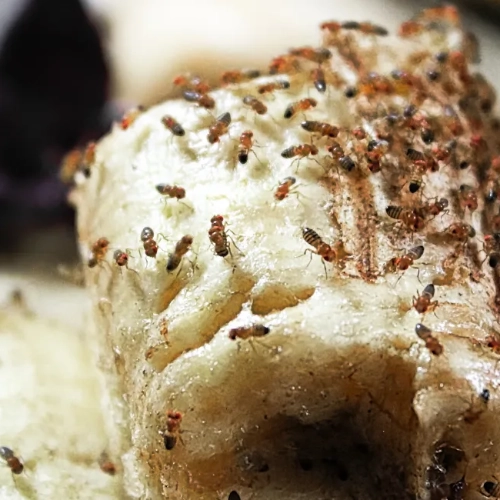
Big flying insects, like stink bugs or beetles, are more visible but often less numerous. Small flying insects in house settings, such as gnats and fruit flies, tend to breed rapidly in hidden places.

Yes, some species do. Mosquitoes, black flies, and horseflies bite, while wasps and bees can sting. Many other flying insects do not harm humans directly.

Get In Touch

About Us

The personal touch sets Gregory apart from other companies. We have been family owned and locally operated since 1972. We get to know you, your family and home.