800-922-2596 Call Now Book a Free Inspection
Close-up view on indian-meal moth on oatmeal.

Quick Facts About Indian Meal Moths

  • Indian meal moths are small pantry pests whose larvae infest and feed on stored dry goods, such as grains, cereals, pet food, and nuts.
  • While harmless to people, Indian meal moths contaminate food with silk webbing and waste, making infested products unsafe to eat.
  • They enter through cracks, torn screens, or infested food packages and lay hundreds of eggs directly inside stored food sources.
  • To prevent Indian Meal Moths, store dry goods in airtight containers, inspect packages before storing, and seal entry points around doors, windows, and foundations.

The Indian meal moth is a troublesome stored-product pest found in homes and businesses throughout the United States. In North and South Carolina, it invades pantries, warehouses, and food storage areas where dry goods are kept, leaving behind webbing and larvae and making products unfit for consumption.

At Gregory Pest Solutions, our team understands how frustrating an Indian meal moth infestation can be. Whether you find moths in your kitchen, stockroom, or restaurant, professional Indian meal moth control is essential to remove the source and prevent reinfestation.

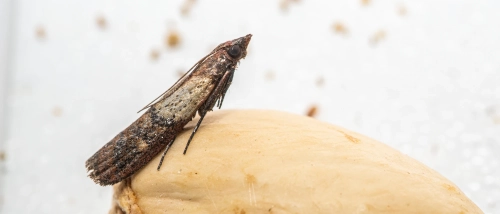
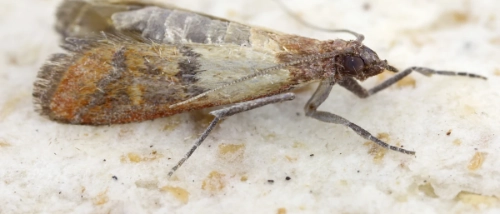
Color: Forewings reddish-brown with coppery luster; hindwings light gray

Legs: Six

Shape: Triangular when at rest, slender body

Size: 1/2 inch (12–16 mm) wingspan

Antennae: Thread-like, about half the body length

What is an Indian Meal Moth and What Do They Look Like?

Adult Indian meal moths (Plodia interpunctella) are small, on average just under half an inch long, with a wingspan just slightly longer than the length of their bodies. Their wings are light grey, fading into bronzy brown, with distinct blackish-brown patterns.

Adults are often mistaken for clothes moths, but their feeding habits set them apart. Instead of damaging fabric, Indian meal moths target food products, especially those stored for long periods.

Its common name is derived from its habit of feeding on ‘Indian corn’ or maize. Today, meal moths remain a significant pest in homes, grocery stores, and food processing facilities.

Indian Meal Moths Identification, Diet & Behavior

Indian meal moths are most active at night. However, while adults focus on reproducing, it’s the Indian meal moth larvae that do the real damage. After hatching from eggs, the tiny cream-colored larvae burrow into food products to feed and grow. As they move, they spin thin silk webbing that clumps food particles together and can contaminate large quantities of stored goods.

Preferred food sources include flour, cereal, rice, cornmeal, dried fruit, birdseed, nuts, chocolate, powdered milk, and pet food. Infestations can occur in nearly any dry food stored in paper, cardboard, or loosely sealed plastic containers.

Indian meal moth larvae can chew through thin packaging, making it easy for them to spread from one product to another once established. One female moth can lay enough eggs to produce hundreds of larvae within just a few weeks.

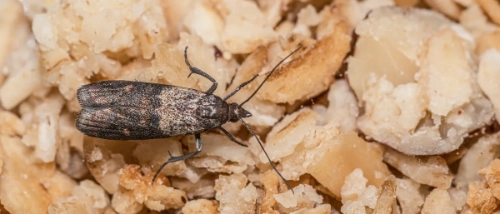
indian meal moth on crushed oats

Complete Life Cycle of an Indian Meal Moth

The life cycle of an Indian meal moth includes four stages: egg, larva, pupa, and adult.

Females lay their eggs directly on or near food sources. If the temperature and humidity are right, the eggs can hatch within a few days.

The larval stage lasts from two weeks to several months, depending on conditions and food availability. During this time, larvae feed continuously, causing most of the contamination and damage associated with infestations.

Once mature, larvae leave the food source to find a safe place to pupate. They are often found along pantry corners, under shelves, or in cracks and crevices. 

They form small silk cocoons and remain inside until emerging as adults.

Adult moths live for about a week. Their sole purpose is to mate and start the whole cycle again. This process can occur in as little as four to six weeks in warm environments, leading to multiple generations in a year.
indian meal moth on nut

Are Indian Meal Moths Harmful to Humans, Pets, or Property?

An Indian meal moth won’t harm you. They won’t bite or sting, and are neither poisonous nor venomous. But they are troublesome.

Indian meal moths are capable of causing a good amount of damage. They’re known as surface feeders, which means that if they find a reliable food source, they’ll keep coming back.

Contaminated food can cause allergic reactions or digestive discomfort in sensitive individuals.

Their presence in shared kitchens, breakrooms, or food storage facilities can also affect sanitation standards and lead to product loss. In commercial settings, especially food processing or retail, infestations can harm reputation and profitability.

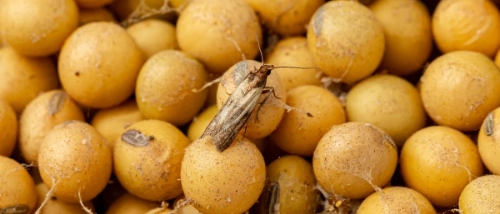
indian meal moth on soybeans

Why Do I Have Indian Meal Moths in My House?

Most Indian meal moth infestations begin when infested food products are brought into the home or commercial property in groceries or deliveries. Even a small bag of flour containing eggs or larvae can be the starting point for a larger issue.

Once inside, moths can quickly spread throughout the kitchen or pantry, especially if dry foods are not stored in airtight containers. Moreover, infestations can move between units through vents or shared walls in multi-unit buildings, such as apartments or dormitories.

Indian meal moths are widespread during warmer months, when adult moths are more active and reproduction occurs more quickly.

How Can I Prevent Indian Meal Moths?

The best way to prevent Indian meal moths is to store dry food, like cereal and pasta, in airtight containers. This includes grain and other goods that may be stored outside. 

Seal entry points like cracks, holes, or openings along your building perimeter, checking around doors and windows where moths often get in.

Cleaning regularly, such as tidying pantry shelves, vacuuming cracks and corners, and discarding old or unused food items, also helps. If you see signs of Indian meal moths, check nearby items because even products in sealed packages can harbor larvae or eggs.

Whether you’re a concerned homeowner or commercial business with multiple sites at risk, routine pest inspections can identify early signs of stored product pests and help avoid needless product loss. At Gregory Pest Solutions, we can offer comprehensive pest control for your home and business, including prevention programs tailored to home and food-handling environments.

Struggling with Moths?

Call now to book your free inspection.

How to Prevent Indian Meal Moth Infestations

These are the best ways to prevent Indian meal moths:

  • Store dry food, like cereal and pasta (including grains and other goods that may be stored outside), in airtight containers
  • Seal entry points like cracks, holes, or openings along your building perimeter, and check around doors and windows where moths often get in
  • Clean regularly, by tidying pantry shelves, vacuuming cracks and corners, and discarding old or unused food items
  • If you see signs of Indian meal moths, check nearby items because even products in sealed packages can harbor larvae or eggs

Whether you’re a concerned homeowner or commercial business with multiple sites at risk, routine pest inspections can identify early signs of stored product pests and help avoid needless product loss. At Gregory Pest Solutions, we can offer comprehensive pest control for your home and business, including prevention programs tailored to home and food-handling environments.

How Can Gregory Pest Remove Indian Meal Moths From My Home Or Business?

At Gregory Pest Solutions, we combine inspection, sanitation, and targeted treatment to help get rid of Indian meal moths and their larvae.

Our trained technicians locate the source of the infestation, identify contaminated materials, and apply control measures to eliminate adult moths and larvae. Our team also works with management in commercial settings to improve storage practices and prevent recurrence.

Our approach is built around long-term results. By addressing active infestations and the environmental factors that allow moths to thrive, we help protect your stored foods and inventory from future problems.

Whether you're dealing with Indian meal moths in rice, pet food, or dried goods, our proven control methods can help restore cleanliness and peace of mind in your kitchen or facility.

pest tech with customer

Contact Your Local Professional Indian Meal Moth Exterminator

Indian meal moths are small but persistent pests that can cause large-scale contamination and frustration for residents in North and South Carolina. If you've noticed adult moths flying around your pantry, found larvae in food containers, or suspect infested dry goods, it's time to act.

With the rising cost of groceries, Indian meal moth extermination services are an investment that protects your valuable inventory and hard-earned household goods. Store-bought remedies are simply not enough to fight off this pest. Contact us to schedule a visit today, and we’ll create a tailored solution, allowing you to take back control.

Contact us

Frequently Asked Questions About Indian Meal Moths

They’re hard to see. Egg clusters may average 200-400 eggs, but each is a fraction of a millimeter in size. The gray or off-white eggs are often laid directly in a food source.

In ideal conditions, a female may lay hundreds of eggs over several days. The eggs hatch in just a few days, releasing larvae that immediately begin to feed. This rapid reproduction cycle is one of the reasons Indian meal moth infestations can escalate so quickly.

Adults measure about 3/8 inch long, with a wingspan close to 5/8 inch.

Dry goods such as flour, rice, cereal, oatmeal, nuts, and dried fruit are most at risk of Indian meal moth infestations, especially when stored in loosely sealed or paper packaging. Larvae can chew through these materials, leaving silk webbing and waste contaminating the food.

Get In Touch

About Us

The personal touch sets Gregory apart from other companies. We have been family owned and locally operated since 1972. We get to know you, your family and home.