800-922-2596 Call Now Book a Free Inspection

Wildlife

Although wildlife plays an essential role in maintaining healthy ecosystems, animals entering a home or commercial building can create safety, structural, and sanitation risks. Venomous snakes can inflict serious injuries and, like raccoons or bats, may carry diseases or parasites that can be transmitted through bites, droppings, or nest material.

State and federal wildlife laws in North and South Carolina protect many native species and restrict how animals can be handled or removed. Permits, seasonal limits, and humane exclusion requirements often make do-it-yourself wildlife removal risky and, in some cases, unlawful for property owners.

Gregory Pest Solutions provides lawful, humane, and sustainable Wildlife Management services across the region, helping homeowners and businesses protect their properties while respecting the role animals play in the Carolina environment.

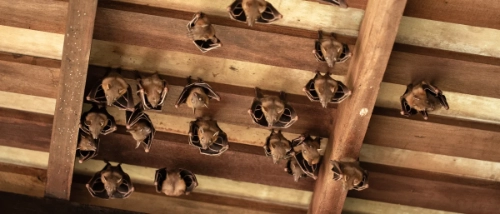
bat hanging upside down

Common types of Wildlife in North and South Carolina

Common wildlife found around homes and properties across the Carolinas includes bats, birds, skunks, snakes, squirrels, raccoons, and opossums. While many species pass through without causing issues, problems can develop when animals find access to attics, crawlspaces, or sheltered areas around a structure.

Our local team uses humane removal and long-term Wildlife Management strategies that focus on exclusion, habitat awareness, and structural reinforcement to help prevent animals from returning.

Learn how bats get into homes, what signs to watch for, and how our technicians help protect your space while following wildlife guidelines.

Discover practical ways we help manage problem birds, prevent nesting issues, and protect your property from damage and mess.

Find out what attracts snakes to yards and homes, plus simple prevention steps that help reduce the chances of an unwanted encounter.

Get the facts about skunk behavior, odors, and nesting habits, along with options to help keep them from settling near your home.

Learn how squirrels get inside attics and walls, the damage they can cause, and how we help prevent repeat activity.

Wildlife in North and South Carolina

The Carolinas support a wide range of wildlife thanks to varied habitats, from coastal marshes and forests to mountain regions, and growing urban communities. These conditions allow North Carolina wildlife and South Carolina wildlife to survive year-round, while seasonal shifts influence how animals move and interact with residential buildings and commercial facilities.

Habitat and Seasonal Movement

Changes in temperature and food availability often drive wildlife closer to homes, particularly during fall and winter. Attics, crawlspaces, garages, and rooflines can become attractive shelter points when natural resources become limited.

Human Interaction and Safety Risks

Most wildlife avoids people, but risks increase when animals feel threatened, protect their young, or become trapped indoors. Situations involving dangerous wildlife in North Carolina or South Carolina benefit from calm, professional handling to reduce the risk of injury or property damage.

Conservation and Responsible Wildlife Management

From raccoons and opossums to bats, squirrels, snakes, and birds, Carolina wildlife plays a vital role in maintaining ecological balance. Responsible Wildlife Management focuses on protecting homes while supporting conservation and sustainable practices that respect local ecosystems.

Pests don't wait. Neither should you.

Book your free inspection now.

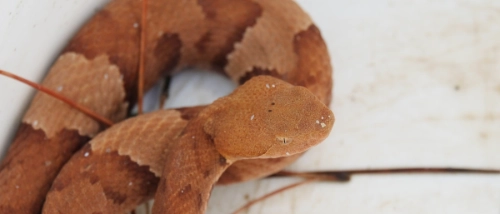
copperhead snake close up

Wildlife Prevention Strategies

Good prevention starts with understanding what attracts animals to your home. Food, water, and shelter are the three biggest draws. Trash cans without lids, open chimneys, gaps under eaves, or pet food left outdoors can attract animals. In many cases, small repairs make a big difference.

Look for worn roof shingles, loose siding, uncovered vents, or cracks along the foundation. These small gaps may seem harmless, but animals only need a little space to get inside. In older homes, vents and screens may wear down over time, so regular inspections are crucial. The goal is not perfection but strong, steady management of the structure so animals stay where they belong.

Do-it-yourself fixes can help for a short time, but most property owners find long-term success by working with a local team familiar with regional wildlife behavior. We understand how different species move, what they look for, and how weather patterns influence their activity. When you hire us, we will conduct a thorough inspection that looks at vents, rooflines, soffits, foundation gaps, and any worn materials. Once the openings are confirmed, durable sealing and proper screening help keep animals out for the long term. 

We use humane methods that focus on one-way doors, timed exclusion, and sealing work that encourages animals to leave on their own. These approaches are highly effective when implemented correctly and avoid the risks associated with aggressive or harmful tactics.

Book your Inspection Today
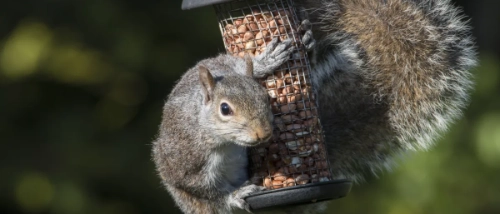
squirrel hanging on bird feeder

Damages Caused by Wildlife

Even though many animals are small, they can cause significant damage throughout a property. Chewed wiring, torn insulation, and stained ceilings are common signs of activity. If animals stay long enough, they can weaken structural wood or block ventilation. You may also notice odors, scratching at night, or droppings near access points.

Wildlife can cause damage to your property in ways that are not always visible at first. A single entry point can expand over time, and once animals establish a nesting site, they often return year after year. The longer the issue continues, the more expensive repairs can become. 

In addition to structural and electrical damage, wildlife activity can introduce health concerns through droppings, nesting materials, and parasites such as ticks and fleas, making early intervention critical for maintaining secure, livable spaces.

retreat guarentee badge

Gregory Pest Solutions Rodent & Wildlife Promise

For rodents and wildlife, lasting relief matters. Pest protection is our promise, and your peace of mind is our goal. Our Guarantee is included in your plan. If rodents or wildlife return, we'll re-treat for free.¹


Contact Us

Contact Your Local Wildlife Removal Expert

We work with customers as a long-term partner in responsible wildlife management, helping owners balance property protection with conservation and sustainable practices. Whether you are facing a current problem or preparing for seasonal changes, we provide clear guidance, lawful solutions, and reliable support, helping to keep your home or business protected.

We also provide professional services for bed bugs, termites, ants, rodents, wasps, mosquitoes, and many other pests through our local pest control specialists. If you need support with wildlife or any other pest issue, we are here to help.

Frequently Asked Questions about Wildlife Control

State and federal wildlife laws in North and South Carolina protect many species, which limit how and when they can be handled or moved. This is why trained technicians follow strict rules around timing, exclusion, and relocation.

We offer prompt service and will do our best to respond quickly to urgent wildlife situations.

Wildlife activity can cause damaged wiring, ruined insulation, odors, and structural damage, all of which can be expensive to repair, while disease transmission can lead to serious illness. You should contact a healthcare professional if exposure is suspected.

Property owners must monitor conditions and report issues promptly, while pest control professionals can safely remove pests and implement long-term prevention measures. Conservation agencies establish regulations that protect wildlife and guide responsible management practices.


¹ Services and Covered Rodents and Wildlife defined in your Plan. For residential services only. Limitations apply. See Plan for details.

Get In Touch

About Us

The personal touch sets Gregory apart from other companies. We have been family owned and locally operated since 1972. We get to know you, your family and home.