800-922-2596 Call Now Book a Free Inspection

Bats play an essential role in local ecosystems, but when they enter your home or business, they can create confusion and uncertainty. However, it’s the threat of disease transmission, structural damage (and the associated repair costs), and liability risks in commercial settings that make bats a genuine danger to businesses and families across North and South Carolina.  

At Gregory Pest Solutions, our wildlife specialists help property owners understand why bats choose certain structures, what their presence means for building safety, and how to achieve humane exclusion in compliance with seasonal and wildlife regulations.

Color: Brown to gray, with some species showing slight reddish tones

Legs: Two (hind legs used for hanging and climbing)

Shape: Small, compact body with thin wing membranes stretched between elongated finger bones

Size: Body length about two to four inches; wingspan typically eight to 11 inches

Antennae: None (bats rely on sight, smell, and high-frequency echolocation instead)

Region: Found throughout North and South Carolina, especially in wooded neighborhoods, older homes, barns, and attics that provide stable shelter and warm roosting spots

What is a Bat?

Bats are small, winged mammals that live all over the Carolinas. Their size and color can differ by species, but most local bats are small, with short bodies, wide wings, and fur that is brown, tan, or black. All bats here eat insects and are most active at night, making them important for the local environment.

In the Carolinas, bats generally fall into two groups: colonial (house-roosting) bats and solitary (tree-roosting) bats.

Colonial bats live together in groups, especially in warmer months when females form colonies to raise their young. They look for sheltered places like attics, barns, bridges, or bat houses. In the Carolinas, common colonial bats include the Little Brown Bat, Big Brown Bat, Tricolored Bat, Evening Bat, and Brazilian Free-tailed Bat. Since they gather in groups, these bats are more likely to cause issues if they move into or near buildings.

Solitary bats, also known as tree bats, usually roost alone or in very small groups. They like to stay in trees, among leaves, under loose bark, or in Spanish moss, and they rarely live in buildings. Bats like the Eastern Red Bat, Hoary Bat, Seminole Bat, Silver-haired Bat, and Northern Yellow Bat are in this group. Many of these bats migrate and may only be seen for a short time as they travel through.
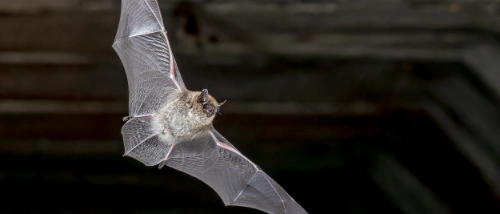
bat flying in the dark

Physical Characteristics of Bats

Bats may appear delicate, but they are agile and remarkably strong. Their narrow body  allows them to slip through tight openings , while their wings (formed by a thin membrane attached to long finger bones) provide the speed and control needed to hunt insects at night. Their fur coloration often blends into the environment and typically ranges from gray to brown or even reddish tones, depending on the species. Even though they move quickly during flight, they prefer sheltered places during the day, which is why attics, barns, or open eaves can be attractive roosting spots.

swarm of red ants attacking

Seasonal Bat Behaviors

Bats follow seasonal patterns based on temperature, food availability, and reproductive cycles. During colder months, many species slow down or enter a form of hibernation. These hibernation sites may include caves, hollow trees, or protected roof spaces where temperatures remain stable. You may even notice more activity when the weather shifts or when insects become abundant again in the spring.

These seasonal changes play a major role in the timing of bat prevention and removal steps. If bats are in the middle of hibernation or raising young, it affects how and when exclusion can be safely performed. During maternity season, when young bats are unable to fly, exclusion must be carefully timed to avoid trapping them inside.

These patterns form the backbone of our removal approach. We assess each situation based on timing, safety, and long-term results to protect your home or business while allowing the bats to continue their natural behaviors outdoors.

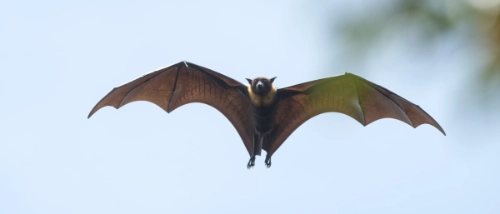
bat flying in the day

Are Bats Dangerous?

On average, bats do not behave aggressively toward people and prefer to stay hidden. The real concern is the risk of exposure if a person handles a bat or if droppings build up. Certain situations, such as direct contact, a bite, or waking up with a bat in the room, should always be taken seriously. In some cases, large accumulations of bat droppings (guano) can be associated with a fungal disease known as histoplasmosis, which may affect the lungs when particles become airborne. If you think you may have touched a bat, a healthcare professional should evaluate the situation.

Bats do not bite humans or pets unless provoked or disturbed. However, bites can carry rabies, so if bitten or scratched, you should immediately wash the area and seek prompt medical attention, as rabies is preventable but deadly once symptoms appear.

Damages Caused by Bats

While bats do not chew, scratch, or dig the way rodents do, a bat infestation can still lead to damage. Droppings can collect along attic floors or wall voids, leading to staining, insulation degradation, odor penetration into living spaces, and contamination of HVAC pathways. Urine may soak into insulation or leave visible marks on sheetrock. In some cases, the weight of accumulated material can compress the insulation, reducing its effectiveness. When bats cluster in a single area, they may leave dark rub marks near the opening where they enter and exit the building.

Bats prefer dark, sheltered places and roost in areas that are difficult to reach. You might notice sounds, slight odors, or small piles of droppings before you ever see a bat. Knowing these early signs of bats in the house or your workplace​, and identifying them, helps prevent further damage.

Struggling with Bats?

Call now to book your free inspection.

Do I Have Bats?

Truth be told, a bat infestation is usually a combination of two things: bad luck and opportunity. Bats eat insects, which are everywhere, so it isn’t possible to completely remove their food source from around your home to keep them away, but as long as you stay vigilant about sealing holes (they can fit through openings smaller than half an inch if necessary), keeping trim tight and sealed, and checking up in the attic once in a while – you should be fine. If you are dealing with an infestation of bats in your home, they need to be removed before any exclusion is completed.

Why Bats Are Attracted to Certain Homes and Environments

Bats do not choose structures at random. They follow airflow, heat, and smell. Warm air rising from small gaps near the roofline can lead them directly to entry points, especially at night when temperatures drop. If insects gather around outdoor lights, bats may feed there and then investigate nearby structures for shelter. 

Some homeowners wonder whether removing insects around a porch will help reduce bat activity. While less food may limit how often bats fly nearby, the shelter is usually the strongest factor. A quiet attic with a stable temperature is much more appealing to bats than an open outdoor perch.

Even though bats cannot dig, chew, or break through walls, small gaps can make it easy for them to slip inside. Gaps along vents, eaves, chimneys, or roof seams are often enough to allow entry.

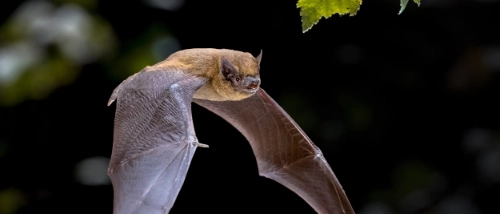
bat flying in natural environment

How Can I Prevent Bats?

To prevent bats, you need to look at your home’s exterior. Despite the myth, bats don’t chew their way inside. Instead, they work smarter, not harder - they take advantage of small gaps and existing openings that already lead into attics, walls, or rooflines.

The most effective prevention steps focus on inspection, sealing, and upkeep, rather than home remedies.

Key bat prevention basics:

  • Inspect your home regularly, especially the roofline and attic areas.
  • Seal cracks, gaps, and openings where bats could enter
  • Repair loose, aging, or damaged exterior materials.
  • Make sure vents, chimneys, and attic fans are properly covered or screened.

Homeowners often think bats are chewing or scratching to get inside. In most cases, the sounds you hear come from fluttering or movement within an attic or wall void. Closing existing gaps and maintaining exterior surfaces is far more effective than treating the issue as damage caused by chewing.

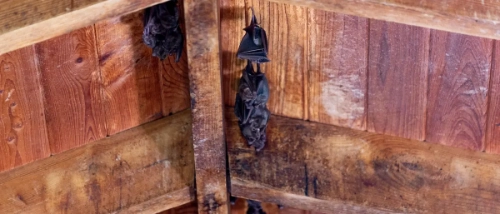
bat hanging from barn roof

Common Entry Points to Watch For

Most bat entry points fall into a few predictable areas, many of which are easy to miss from the ground.

Common structural vulnerabilities include:

  • Roof vents that have loosened over time
  • Gable vents or ridge caps with small separations
  • Gaps around chimneys or flashing
  • Attic fans that are not fully screened
  • Openings near eaves or fascia boards

Bats don’t need large, obvious openings to make a home inside. An opening as small as half an inch can be enough. Identifying and sealing these areas early can help reduce the risk of bats roosting in your home.

Professional Bat Removal: Assessment, Extraction, and Prevention

Assessment

Every bat issue starts with a detailed inspection. We examine your home from roofline to foundation to understand where bats are entering and how they’re using the space.

During the assessment, our technicians:

  • Identify potential entry points and roosting areas.
  • Look for signs such as droppings, staining, or travel marks.
  • Evaluate attic or crawlspace conditions that may attract bats.

Extraction

Bat removal is a timing-sensitive process. Many bat species are protected, and exclusion methods must comply with state wildlife guidelines to avoid harming bats or separating mothers from their pups.

Rather than trapping or harming bats, we focus on humane removal methods, which may include:

  • Installing one-way exclusion devices that allow bats to exit safely
  • Monitoring activity to confirm all bats have left
  • Coordinating work around seasonal restrictions

Prevention

Once bats are out, prevention begins. We seal identified openings and address structural gaps that allowed access in the first place.

Prevention focuses on:

  • Closing entry points after exclusion is complete
  • Reinforcing vulnerable areas to reduce future activity
  • Helping protect your home long term

Where Can I Get Help With Bats?

If you believe bats have entered your home, reach out to us for expert advice and wildlife solutions. Our team understands regional bat behavior, local building styles, and the safest, most effective humane exclusion techniques. Whether you hear noises in the attic or notice the first signs of activity, we can create calm from chaos and help protect your home or business in the long term.


Get in touch with Gregory Pest Solutions. We’re only a phone call away.

Frequently Asked Questions About Bats

Solitary bats roost alone and are less likely to create noticeable problems inside a structure. Colonial bats gather in large groups, which increases noise and droppings and increases the likelihood of repeated activity in the same space.

Many bats enter hibernation or seek sheltered roosts during colder months, which limits when exclusion can be done. Control measures are most effective when bats are active and able to leave safely on their own.

Sealing small gaps, repairing loose materials, and screening vents help reduce access points. Regular inspections during seasonal changes also make it easier to spot problems early.

Sealing gaps is a sensible first step until a professional confirms the bats can safely exit. Blocking openings too soon may trap bats indoors, creating additional hazards, and may contravene state or federal laws.

Get In Touch

About Us

The personal touch sets Gregory apart from other companies. We have been family owned and locally operated since 1972. We get to know you, your family and home.