800-922-2596 Call Now Book a Free Inspection

Birds are a familiar and valued part of life across North and South Carolina, but they can create challenges when they settle on homes and commercial buildings. Standing water, accessible food sources, open trash areas, and sheltered ledges often make properties attractive for roosting and nest building, particularly around gutters, vents, rooflines, and signage.

Managing activity is not only a practical concern, but also a legal one. Many bird species are protected under federal and state wildlife laws, which can restrict when nests may be moved or how birds can be handled. This page explains why birds choose certain structures, how to recognize early signs of activity, and how to prevent birds from nesting, while outlining when professional, lawful bird control services may be appropriate for properties in the Carolinas.

Our goal is to help protect building conditions and everyday use while allowing birds to remain in their natural environment. We take a humane, regulation-aware approach that is tailored to the specific needs and conditions of each site we review.

Birds in North & South Carolina

The Carolinas attract many types of North American birds due to mild winters, varied habitats, and abundant food sources. Birds can be found in coastal areas, wooded regions, residential neighborhoods, and urban centers, where they adapt quickly to human-built environments. 

Common, year-round residents and frequent visitors include the Northern Cardinal, Carolina Wren (the state bird of South Carolina), Carolina Chickadee, Tufted Titmouse, Blue Jay, and Downy Woodpecker, but seasonal changes influence the level and degree of bird activity at different times of the year. Peak, intense activity occurs in Spring, as neotropical migrants arrive to breed or pass through, including high numbers of warblers, vireos, and cuckoos. Nesting begins in March for many species and continues through the summer. This is when birds look for secure, sheltered sites in backyards, homes, and businesses to brood and rear nestlings and fledglings.

Once a bird establishes a nesting site on a building, it may return in future seasons, making early prevention a key part of long-term property care.
Common Bird Species That Cause Problems for Homes and Businesses

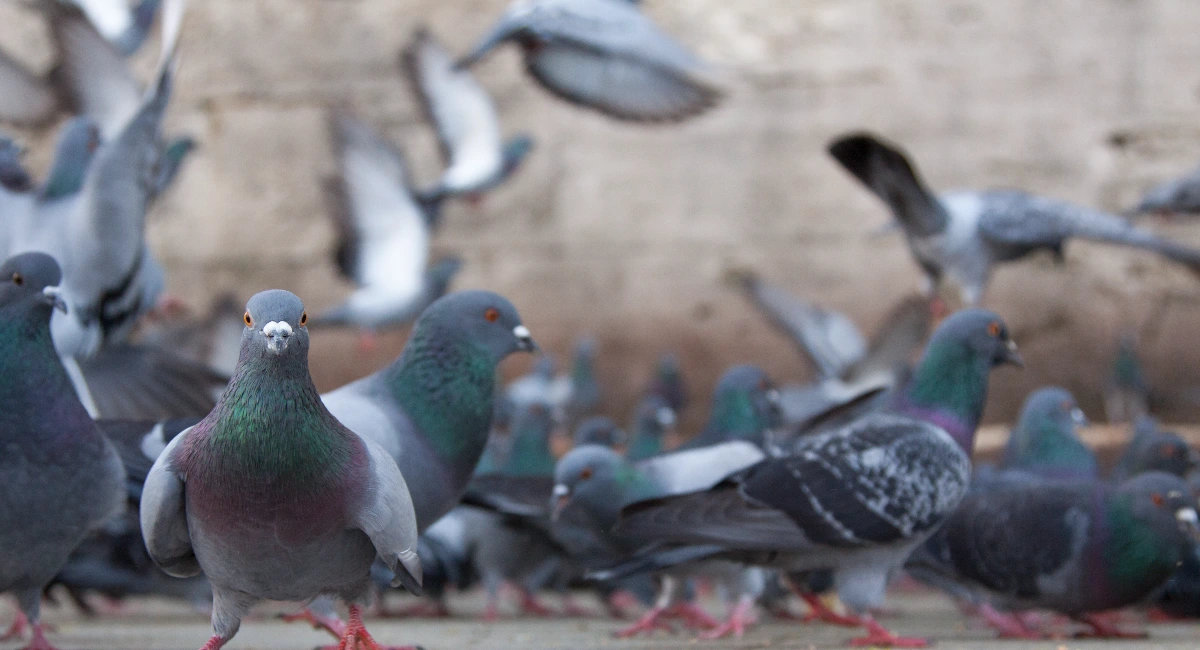
While many birds inhabit the Carolinas, only a few species frequently cause problems for buildings. Pigeons are adaptable and often roost on ledges, rooftops, and signs, leaving corrosive droppings. Starlings gather in large, noisy flocks and build nests that block vents and gutters. House sparrows nest in eaves, vents, and small cavities, where their materials can obstruct drainage.

Larger species such as crows and seagulls often target commercial areas near water, and their territorial behavior can attract additional birds. Woodpeckers may damage siding or trim while searching for insects or nesting sites.

Commercial buildings often face challenges because expansive roofs, sheltered loading zones, and signage provide ideal spots for birds to land or roost. Accumulated droppings and debris can damage building materials and negatively affect customer perception. Even smaller species can cause long-term issues if nests block ventilation or drainage.

Early detection is essential. Signs such as feathers, droppings, or noisy gatherings may indicate an active infestation. Identifying the species involved allows property owners to implement targeted strategies to prevent damage, reduce health risks, and maintain clean, safe spaces.

Struggling with Birds?

Call now to book your free inspection.

How Does Gregory Remove Pest Birds From My Home Or Business?

Our technicians receive ongoing training on state and federal bird-protection laws and maintain the required certifications and licenses for lawful, humane bird management. This helps ensure all work aligns with regulatory standards and seasonal restrictions.

Depending on the site and species involved, support may include managing common nuisance birds such as pigeons, starlings, and house sparrows, along with guidance on structural and environmental changes to reduce future nesting. 

Our bird control methods include: 

  • Netting for signs, overhangs, and rooflines
  • Sloped or modified ledges to limit roosting
  • Tensioned wires and screening systems
  • Bird prevention spikes
  • Minor structural adjustments to close access points
  • Non-lethal visual or sound-based deterrents

Why Bird Control Matters

Unmanaged bird activity can affect both safety and building condition over time. Common concerns for households and business owners include:

  • Health and sanitation: Droppings and nesting materials can affect air quality and contribute to bacteria in enclosed areas.
  • Surface and material damage: Uric acid in droppings can corrode paint, metal, and exterior finishes.
  • Drainage and water issues: Blocked gutters and downspouts can lead to water buildup and structural wear.
  • Slip and fall risks: Walkways and entry points may become hazardous when droppings accumulate.
  • Appearance and reputation: Visible bird activity can impact how visitors, residents, or customers view a property.
  • Secondary pests: Nests can attract insects and other small animals.
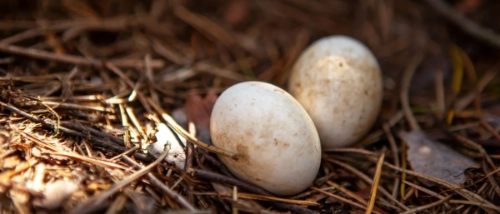
bird egg just laid

Health Risks from Bird Droppings, Nests, and Parasites

Birds and their droppings in North and South Carolina can carry a variety of pathogens that cause diseases in humans and pets. Key risks in the region include fungal infections from dried droppings (histoplasmosis, cryptococcosis), bacterial infections (salmonellosis, psittacosis), and viral threats like Highly Pathogenic Avian Influenza (HPAI), which has recently affected birds in both states. If you think you've been exposed or display any symptoms, you should see a healthcare professional. 

Nests may also harbor mites or other small pests that can migrate indoors. When birds nest near vents, debris can lower indoor air quality. Routine inspection and cleaning help reduce exposure risks and maintain healthier indoor environments.

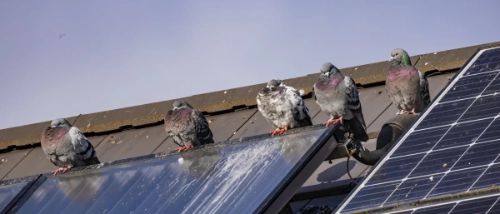
pigeons on roof with solar panels

Structural Damage to Buildings and Property

Nests may block gutters, causing water to spill over the edge and run down siding. Over time, this may lead to wood rot or pooling near the foundation. Birds may also build nests near electrical equipment or inside signage. When dried materials collect near warm fixtures, they may create a fire hazard. Even small nests can grow quickly, especially during busy seasons, and the weight may cause gaps or vibration in certain areas. Keeping structures clear and secure helps protect both exterior surfaces and internal systems.

The Gregory Pest Solutions Approach 

Our bird control solutions focus on responsible management and long-term prevention. Each property is reviewed individually to account for building design, surrounding conditions, and legal considerations tied to protected species.:

The process includes:

  • Identifying species and activity patterns
  • Recommending site-specific deterrents and exclusions
  • Using humane, non-lethal methods where permitted
  • Supporting ongoing monitoring and maintenance

Our Bird Control Treatments

When prevention measures are not enough, professional support may be required to manage nesting and roosting safely and lawfully.

Bird Exclusion and Netting

Physical barriers such as netting and screening help block access to signs, eaves, HVAC equipment, and overhangs. Sealing entry points reduces the chance of birds returning to the same locations.

Humane Bird Trapping and Removal

Where allowed by law, ethical trapping methods may be used to relocate nuisance birds. All activity follows applicable state and federal wildlife guidelines.

Deterrent Systems

Visual, audio, and physical deterrents, such as electric track systems or bird control spikes, discourage birds from settling on ledges and structural features.

Cleaning and Disinfection

Removal of droppings and nesting materials helps address sanitation concerns and reduces the risk of secondary pest activity.

How To Prevent Birds?

Long-term prevention focuses on limiting access to shelter, food, and water around a property. Standard solutions include screening vents, maintaining gutters, closing small gaps in exterior surfaces, and discouraging roosting on ledges and signage.

Regular inspections and basic maintenance can help prevent birds from building nests in high-risk areas. If activity continues, a professional assessment can identify less visible access points and recommend additional exclusion options.

pigeons flying away

Why Choose Gregory Pest Solutions?

Gregory Pest Solutions is an industry leader in pest management with decades of experience offering residential and commercial pest control services to customers throughout North and South Carolina. We can help with active pest problems and help prevent future activity with a plan customized to your building. 

Our services comply with state and federal regulations for ethical, non-lethal animal removal where possible to preserve the species, while protecting your property. Reach out to us today and get started with a service quote.

Frequently Asked Questions About Bird Pest Control

Different species behave differently, and knowing which bird is involved helps choose methods that work without causing harm. It also ensures that the plan complies with any protection rules for that species.

Many birds and their nests are protected during active nesting seasons. In some cases, work must be delayed or handled under specific guidelines to remain within state and federal requirements.

Droppings, feathers, and nesting materials can collect in hard-to-reach areas and may require careful handling. Professional cleaning helps reduce sanitation risks and limits the spread of secondary pests.

Birds are drawn to warmth, shelter, food sources, and stable ledges or openings where they can roost or nest. Reducing these conditions through repairs, cleaning, and routine inspections helps make the building less appealing.

Get In Touch

About Us

The personal touch sets Gregory apart from other companies. We have been family owned and locally operated since 1972. We get to know you, your family and home.