800-922-2596 Call Now Book a Free Inspection

Squirrels may appear friendly when they run across trees or collect nuts, but they can cause significant problems when they enter homes or businesses. They are strong chewers and agile climbers that easily scale walls to access roof spaces, where they build nests, damage insulation, gnaw on wood and wires, and leave a mess. Outside, they dig holes, tear up trees, and rip up lawns. Professional removal is the safest and most effective way to stop squirrel damage and protect your property.

Gregory Pest Solutions offers reliable wildlife control and integrated pest management (IPM) services throughout the Carolinas. If you’re searching for squirrel removal, our team offers inspections, removal, cleanup, and long-term prevention for residential and commercial properties.

Common Squirrels in North & South Carolina

With enough available food, squirrels can survive anywhere, including hardwood forests, suburban greenways, pine coastal plains, and busy city centers. For this reason, the Blue Ridge Mountains, Congaree National Park, and the Francis Marion and Sumter National Forests all support healthy squirrel populations, including:

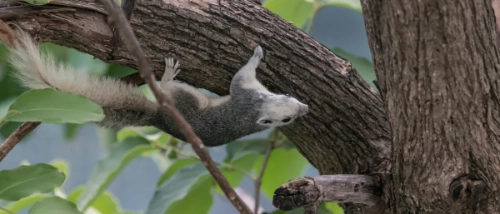
Eastern Gray Squirrel

The most common species statewide, Eastern Gray Squirrels are found in wooded neighborhoods, city parks, and mixed hardwood forests. From the Appalachian foothills to the coastal plain, this is the species that residents are most likely to see foraging in yards, nesting in attic spaces, or darting across tree canopies.

Southern Fox Squirrel

More localized but still widespread, Southern Fox Squirrels are associated with longleaf and pine-oak habitats. Sightings are most frequent in South Carolina’s coastal plain and the Sandhills of both states, where open pine forests and agricultural edges provide ideal foraging and denning opportunities.

Southern Flying Squirrel

The Southern Flying Squirrels inhabit mature hardwood forests and heavily wooded residential areas. They are found throughout both Carolinas, but particularly in the Piedmont and mountain regions (up to elevations of 4,500-5,000 feet), where they often nest in attics, disturbing residents' nighttime sleep.

Common Signs of Squirrels

Squirrels are active during the day, usually in the morning and late afternoon, as well as at night, and are therefore more visible than other nocturnal pests. They leave behind physical evidence and emit audible clues that can alert property owners to their existence. While one squirrel in your yard, attic, or storage unit may not be a problem, when a scurry (or family) forms, you’ll need to take proactive steps to prevent structural damage and disease transmission.

Squirrel with nut on attic beams close up

Scratching in Attic

These nimble mammals use nearby branches, fences, and utility lines to access roof spaces, then squeeze through openings around vents, chimneys, or damaged roof edges. Once inside, they shred insulation to create nests that may host several young. Their scratching and thumping can be distressing and keep you awake at night.

They gnaw on wooden beams, PVC pipes, and electrical wiring. This chewing is especially hazardous because it can wear down the protective coating on wires, increasing the risk of electrical fires. If the noise continues for several days in a row, it usually means the squirrel has established a nest and is returning regularly.

The Southern flying squirrel is strictly nocturnal, creating disturbing nighttime noise. These small squirrels glide from trees to roofs and enter buildings in groups, making infestations larger and harder to ignore.

Squirrel with nut on attic beams close up

Holes in the Garden

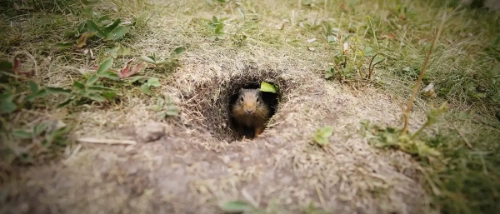
Squirrels are known for digging small, shallow holes in lawns, flower beds, soil, and mulch. They do this to bury nuts and seeds for later use or to search for insects, plant roots, or tender shoots to eat. These holes often appear overnight or early in the morning during fall and spring when squirrels are most active. You may also notice:

  • Disturbed mulch beds
  • Chewed plant stems
  • Missing bulbs from freshly planted areas
  • Stripped bark on small trees or shrubs
  • Piles of nutshells under shrubs, decks, or outdoor structures

These signs indicate that species like the eastern gray squirrel or southern fox squirrel are regularly foraging on your property and using your yard as a food source or storage spot. This activity can eventually lead to thinning garden beds, damaged landscaping, and stressed young trees. In some cases, squirrels may dig so frequently that the soil around foundations becomes disturbed.

When they become comfortable foraging close to buildings, squirrels often begin exploring nearby structures for shelter. They may slip into open doorways, loading bays, garages, or restaurant kitchens in search of warmth and safety during storms or colder months. Once they establish a solid base, the risk of them entering attics, crawl spaces, or wall voids increases significantly.

Squirrel with nut on attic beams close up

Identifying Squirrel Droppings

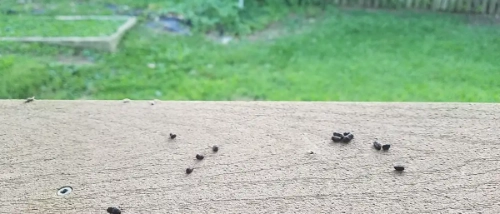
Squirrel droppings are small, dark, and cylindrical, and can easily be mistaken for rat or mouse feces. However, squirrel droppings are usually a bit larger, more rounded at the ends, and slightly thicker. They typically a bit larger, more rounded at the ends, and slightly thicker. They typically measure between ⅜ and ½ inch long and may appear in clusters or scattered piles.

You’ll find droppings in the hidden locations where squirrels spend the most time, such as:

  • attic insulation
  • along beams or rafters
  • inside storage boxes or near stored belongings
  • around entry points or nesting materials

Fresh droppings are darker and softer, while older ones become dry and crumbly. Because squirrel waste can carry bacteria and parasites, it should not be handled without proper safety gear. Leaving droppings in place can also attract other pests or encourage squirrels to return to the same spot.

If you find droppings that match this description, it's a strong sign that squirrels are nesting nearby. A professional inspection can confirm the species and help you determine the best removal and cleanup plan for your residential or commercial building.

Why Do I Have Squirrels?

Squirrels invade homes for two primary reasons: easy access to food and protection from predators. They are quick to take advantage of damaged rooflines, loose boards, torn screens, or gaps around vents to gain entry. Attics, in particular, mimic the atmosphere of hollow trees - their natural nesting site - so squirrels view them as a safe place to raise their young or store food.

During colder months, squirrels will build dreys (or nests) inside to escape the bad weather. When conditions improve and temperatures rise, they use cool, shady attics to escape the heat. Yards with black walnut, pecan, hickory trees, fruit trees, or vegetable gardens encourage squirrels to stay for more extended periods due to these convenient food sources.

Struggling with Squirrels?

Call now to book your free inspection.

Squirrel with nut on attic beams close up

Why Squirrels Invade Attics and Wall Voids

These provide shelter from predators such as owls, hawks, and neighborhood cats. Moreover, enclosed areas offer quiet, security, and protection from predators and extreme weather. Once a squirrel finds its way in, it may bring nesting materials such as leaves, twigs, moss, and insulation to build a nest for its young.

Properties with heavy tree cover or thick vegetation can have more squirrel activity. Nearby tree branches allow squirrels to jump onto roofs with ease. Cluttered areas, woodpiles, and stored outdoor items also provide hiding spots and safe pathways for travel.

When squirrels find a dependable environment, they may:

  • raise multiple litters (usually 2 per year)
  • store large amounts of nuts and seeds
  • return to the same entry point year after year
  • widen gaps or chew new openings

A small problem can become a long-term infestation if the entry point is not repaired quickly. Early removal and sealing flashpoints are efficient ways to break this cycle and prevent long-term damage to residential and commercial properties.

Squirrel with nut on attic beams close up

Are Squirrels Dangerous or Just a Nuisance?

Squirrels may not seem threatening, but their constant chewing can damage wiring, wood, insulation, and even plumbing lines. Damaged wires increase the risk of electrical fires, while chewed pipes or HVAC lines can lead to leaks, mold, or expensive repairs. Noise from running, scratching, and rolling objects across the attic can also disrupt sleep and cause daily stress.

They can also spread diseases, though this is far less common than with other wildlife. They may carry bacteria such as Salmonella in their droppings, along with parasites like fleas, ticks, or mites. These pests can invade living spaces or affect pets if the infestation becomes severe. While squirrel-to-human disease transmission is uncommon, the biggest concern is contamination of attic insulation and stored items when droppings or urine build up.

Stripped bark, damaged bulbs and young plants, destroyed bird feeds, and torn up lawns are all devastating outcomes of squirrel activity. Although not typically aggressive by nature, they may bite if cornered or threatened, so direct contact should be avoided.

How Can I Prevent Squirrels?

Squirrel prevention starts with habitat modification and exclusion, two core parts of an Integrated Pest Management (IPM) approach. The goal is simple: make your property less appealing and close off any openings they could use to get inside. When outdoor conditions are less inviting and access points are sealed, squirrels are far less likely to settle on your property.

Helpful prevention steps include:

  • Trim tree limbs that hang over or touch the roof, giving squirrels fewer paths to climb onto the structure.
  • Move bird feeders far from the home to reduce the easy food sources that attract squirrels.
  • Secure trash cans with tight-fitting lids to limit access to food scraps and smells that draw wildlife.
  • Clear away leaf piles, brush, or clutter where squirrels can hide or search for nesting materials.
  • Avoid planting nut-producing trees, such as oaks or hickories, right beside the house, as they provide a steady food supply.

If squirrels are already inside, it means they have discovered a weak spot in your building. Check the roofline, siding, soffits, attic vents, and foundation for cracks, gaps, or loose materials. These openings may be small, but squirrels can widen them quickly with their teeth. Once the animals are removed, sealing these entry points is essential to stop them from returning.

Gregory Pest Solutions offers professional exclusion services that use durable, chew-resistant materials designed to withstand nuisance wildlife activity. Our team identifies vulnerable areas and reinforces them so your property remains protected throughout the year.

Squirrel with nut on attic beams close up

Common Entry Points Squirrels Use to Access Properties

Squirrels only need a small opening to get inside a building. Many of the entry points they use are high on the structure or hidden behind trim, which makes them easy to miss during regular maintenance.

Common access points include:

  • Attic vents and roof returns, especially if screens are loose, bent, or damaged.
  • Fascia boards or soffits that have softened or rotted, creating natural gaps along the roofline.
  • Gaps around chimneys where flashing has lifted or worn away.
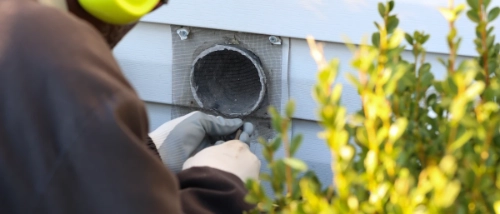
  • Uncapped exhaust or dryer vents, which provide a direct, sheltered tunnel into the home.
  • Lifted, cracked, or missing shingles that expose the roof deck underneath.
  • Openings around utility lines and cables, where wiring enters the structure through small holes or cutouts.
  • Warped door edges or gaps around garage doors, especially in older buildings, where seals have worn down.

Regularly inspecting these areas, or having a professional do it, will help to catch vulnerabilities early. 

Professional Squirrel Removal Services

At Gregory Pest Solutions, we provide effective, humane squirrel removal designed to protect both your property and the surrounding environment. Every service begins with a detailed inspection. Our technicians look for nesting areas, droppings, chewed materials, and any structural openings that squirrels may be using. This helps us understand how the squirrels are moving through the building and identify the areas with the most urgent risks.

Our technicians offer ongoing rodent and wildlife monitoring for properties in North and South Carolina. With seasonal squirrel activity and dense tree cover in many neighborhoods and business districts, year-round support can make a significant difference in keeping buildings secure and protected.

If squirrels are making noise overhead, damaging your insulation, or digging through your property, our squirrel pest control team is ready to help.

Frequently Asked Questions About Squirrels

They chew on wires, insulation, and wood, which can lead to fires, leaks, and structural damage. Their nests and droppings can also contaminate attic spaces.

Squirrels eat a wide variety of foods, including nuts, seeds, fruits, insects, and young plants. Around homes and businesses, they are also drawn to bird feeders, garden vegetables, and any accessible food scraps. Their flexible diet makes yards, gardens, and outdoor eating areas easy places for them to find food.

Trim tree branches away from the roof, secure food sources like bird seed and trash, and seal gaps in your home’s exterior. Professional exclusion services ensure access points are blocked after removal for long-term results.

Removing squirrels on your own can be difficult and risky, especially if young squirrels are hidden inside the nest. Humane traps and one-way doors must be placed carefully, or you may trap animals inside the attic and cause more damage. Hiring a professional is the best way to prevent injuries, avoid accidental harm, and ensure the squirrels do not return.

Squirrels do not hibernate. Instead, they stay active year-round but slow down during very cold weather. They rely on stored food, thick nests, and sheltered spaces like attics or tree hollows to stay warm throughout the winter.

Yes. Squirrels are rodents, just like mice, rats, and chipmunks. They have strong front teeth that never stop growing, which is why they chew on wood, wires, and other materials to keep those teeth trimmed.

Get In Touch

About Us

The personal touch sets Gregory apart from other companies. We have been family owned and locally operated since 1972. We get to know you, your family and home.