800-922-2596 Call Now Book a Free Inspection

Skunks are a common wildlife pest across North and South Carolina, recognized by their striking coloration and unmistakable odor. While they help manage insect and rodent populations near homes and businesses, they can quickly become problematic. From digging through lawns and trash to releasing odor near HVAC systems or pets, skunks cause both discomfort and sanitation issues.

Because wildlife removal in the Carolinas is regulated by state laws, handling or trapping skunks without proper authorization can result in fines or harm to the animal. A professional skunk service uses humane, approved methods to safely remove and prevent skunk activity around your property.

Color: Typically black with white stripes or spots; some species may appear brown or cream-colored

Shape: Stocky body with bushy tail

Size: 15 to 40 inches long; one to 20 pounds, depending on species

Threats: Foul-smelling spray, property damage, and potential rabies transmission

Skunk Identification: Key Physical Characteristics

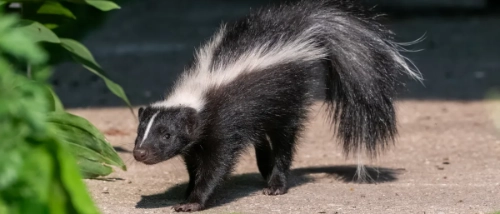
Skunks are small to medium-sized mammals with a stocky build, short legs, and a long, fluffy tail. Their fur is usually black with bold white stripes or spots that serve as a warning to potential predators. The striped skunk (Mephitis mephitis) is the most common species in the Carolinas, while spotted skunks are less visible and generally found in wooded or rural regions.

Adult skunks measure between 15 and 40 inches long and typically weigh between one and 20 pounds, depending on species and season. They have pointed snouts, small, rounded ears, and sharp foreclaws perfectly adapted for digging. Their thick, coarse fur provides insulation and protection, while the large scent glands beneath the tail house their potent sulfur-based spray. This is a signature feature of the skunk and also their primary defense mechanism.

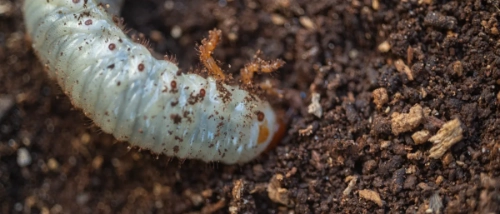
Skunks eat grubs, among other things

Skunk Diet, Behavior & Habits

Skunks are omnivorous mammals that feed on a diverse diet of insects, small mammals, fruits, nuts, grubs, and trash. Their strong sense of smell helps them locate food underground, while their powerful claws enable them to dig into lawns or soil to catch beetles and worms. In urban and suburban areas, they scavenge from trash bins, compost piles, and outdoor pet food left out overnight.

These nocturnal animals are most active after dark, preferring the quiet for hunting. They’ll hide and build burrows under decks, sheds, crawl spaces, or woodpiles. When threatened, skunks display defensive behavior by stomping their feet, raising their tail, and, if provoked further, releasing their pungent spray. This oily liquid can travel several feet and cling to surfaces, creating long-lasting odor problems.

In colder months, skunks enter a dormant (inactive) state, but don’t fully hibernate. They rest in dens during severe cold, sometimes gathering in small groups for warmth, and emerge during milder weather to feed. Their activity peaks in spring and fall, coinciding with breeding and better weather.
Skunk’s defensive spray is strong-smelling and can linger for a long time

Are Skunks Dangerous?

Skunks pose several challenges for both homes and commercial properties. Their strong-smelling spray is the most obvious issue as it can saturate fabrics, HVAC systems, kitchen units, and walls, requiring extensive cleaning to remove it. Knowing how to eliminate skunk smell, especially when they are indoors, is vital to restoring healthy air quality.

They are also primary carriers of rabies and other wildlife-borne diseases. Physical contact, bites, or exposure to saliva from an infected skunk can spread the virus to pets or humans and may require immediate medical attention. In addition, skunk droppings may contain harmful bacteria and parasites that can contaminate soil and create further health risks.

For safety and sanitation, professional handling is always recommended. Gregory Pest Solutions employs skilled wildlife technicians trained to identify risks, safely remove animals, and prevent future encounters.

A musty, foul smell indoors may indicate skunk activity

Signs of a Skunk Infestation

Skunks are secretive, so direct sightings are uncommon. Instead, property owners often recognize an infestation through secondary clues that appear gradually or suddenly. 

  • Persistent, musky odor: A strong, sulfur-like smell may drift indoors through HVAC vents or linger around crawl spaces, porches, or landscaping. The odor often intensifies after rain or at night.
  • Small cone-shaped holes in lawns: Skunks dig shallow holes roughly the size of a golf ball while searching for grubs and insects. A series of these holes across turf or garden beds signals nightly foraging.
  • Scratching and rustling sounds: Soft digging, scratching, or shuffling sounds beneath decks, porches, or sheds, especially just before dawn, often suggest that a skunk is nearby.
  • Visible tracks and droppings: Skunk tracks feature five toes with claw marks, while their tubular droppings may contain insect shells or seeds. Look along fence lines, near garbage cans, or under outdoor structures.
  • Disturbed trash or pet food: Knocked-over bins, torn garbage bags, or missing pet food can indicate scavenging skunks.

Fast, professional intervention can mitigate the damage and health risks.

Seeing Skunks?

Call now to book your free inspection.

Why Skunks Are Attracted to Your Property

Skunks are drawn to environments that offer food, water, and protection. They thrive in areas with abundant insects, small rodents, and natural food sources such as fallen fruit or garden vegetation. Across the Carolinas, many properties feature acorn-producing oak trees, berry bushes, or fruit trees that create consistent foraging opportunities. Fire ant mounds, cicadas, beetles, and the region’s abundance of ground-dwelling insects also provide a reliable and steady food supply for skunks.

Human activity often provides additional attractions, including open trash cans, compost piles, or outdoor pet food.

Shelter is another major factor. Skunks seek out tucked-away areas, under porches, decks, sheds, and crawl spaces, to create dens. Around apartment buildings and food handling facilities, they frequently occupy dumpster zones, storage lots, or cluttered loading docks that offer easy access to food and protection against predators. Making these areas less accessible is an essential step in preventing future activity.

How Can I Prevent Skunks?

Effective skunk prevention begins with limiting the conditions that attract them in the first place. Removing or securing food sources and access points is the best long-term strategy. Regular maintenance, exclusion, and sanitation measures can significantly reduce the chance of a skunk infestation around homes, businesses, and outdoor structures.

A clean, well-maintained property offers fewer hiding spots and foraging opportunities. When combined with proactive exclusion methods, these steps create an environment that discourages skunks year-round.

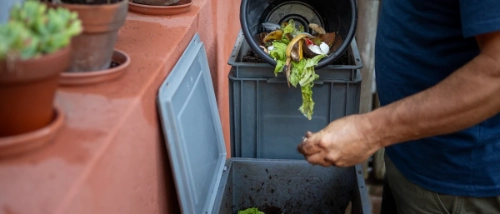
Garbage bins with lids can help deter skunks

Top Tips for Property Owners

Our experts have created some top tips for homeowners and commercial site managers to help minimize skunk activity on your property:

  1. Seal openings beneath decks, foundations, and porches using soil, gravel, or concrete, then cover with wire mesh to prevent digging.
  2. Eliminate attractants by securing trash bins, storing pet food indoors, and cleaning up fallen fruit or nuts.
  3. Remove debris that can be used for dens, such as brush piles, lumber stacks, and overgrown vegetation.
  4. Install motion-activated lighting to discourage nocturnal visits.
  5. Apply deterrents, like predator-scent granules or ammonia-based repellents, to problem areas.

For continued protection, routine property maintenance and vigilance are key, in parallel with a comprehensive prevention plan.

Professional Skunk Removal Services

Gregory Pest Solutions provides humane and compliant skunk removal and wildlife control services for homes and businesses throughout North and South Carolina. All work is performed in accordance with state and local wildlife regulations that restrict specific trapping and relocation methods to protect native species and the surrounding environment.

Our trained technicians employ the Integrated Pest Management (IPM) approach, which focuses on long-term skunk prevention through inspection, exclusion, sanitation, and education. Using approved humane techniques, skunks are safely removed, and affected areas are thoroughly cleaned to eliminate odors and contamination.

Where Can I Get Help With Skunks?

When skunks settle on your property, working with a trusted wildlife pest control provider is the smart choice. For decades, Gregory Pest Solutions has supported residential and commercial clients across North Carolina and South Carolina with expert, humane skunk removal. Our experienced technicians use comprehensive, proven methods to tackle active infestations and prevent future activity.

Contact us today to schedule an inspection, request a quote, or begin a customized service plan for skunk removal and control.

Frequently Asked Questions About Skunks

Rabid skunks may appear fearless, disoriented, or aggressive and can be active during daylight hours. Any animal displaying these behaviors should be handled only by trained professionals. If bitten, you should contact a healthcare professional.

Maintaining a clean yard, securing trash containers, and sealing potential den sites under structures are effective deterrents that reduce the likelihood of skunks settling on residential or commercial properties.

We provide humane skunk removal and prevention services for homes and businesses across the Carolinas. Our experienced technicians follow state wildlife regulations and use Integrated Pest Management (IPM) methods for safe, effective, and environmentally responsible results.

Skunks don’t truly hibernate but enter a state of dormancy during winter. They stay in their dens to conserve energy, occasionally emerging on mild nights to feed until becoming active again in early spring.

Ventilate the area and clean affected surfaces with a mix of baking soda, hydrogen peroxide, and mild dish soap. For stubborn odors that spread through HVAC systems or fabrics, professional deodorization ensures complete odor removal.

Get In Touch

About Us

The personal touch sets Gregory apart from other companies. We have been family owned and locally operated since 1972. We get to know you, your family and home.