800-922-2596 Call Now Book a Free Inspection

Flies are among the most familiar and persistent pests found around homes, businesses, and public spaces. Despite their small size, they can invoke kitchens, restaurants, warehouses, and healthcare facilities, causing frustration for property owners and managers. Their presence is not only a nuisance but also a genuine concern for hygiene and health, since flies can carry bacteria and other pathogens wherever they land. Understanding what flies are, how they live, and why infestations occur is the first step toward achieving effective fly control.

Whether you are dealing with a handful of flies hovering near a window or a larger issue inside a commercial property, knowing how these insects behave makes it easier to identify the right approach for treatment and prevention. With the proper knowledge and professional fly pest control services, businesses and households can address the challenge before it grows into a larger problem.

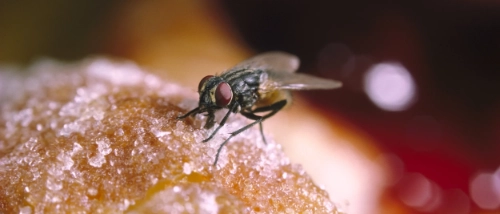
house fly feeding

Fly Identification

Flies belong to the order Diptera, which means "two wings," distinguishing them from other winged insects.  There are over 16,000 individual species of fly in North America alone. In fact, flies are located in every corner of the planet except for the coldest parts of the polar ice caps. Flies that infest the U.S. include black flies, cluster flies, bottle flies, deer flies, flesh flies, moth flies, horse flies, sand flies, and blow flies.

Some species thrive in outdoor environments, while others exploit gaps in doors, windows, and ventilation systems to enter homes or businesses. Inside, they are drawn to sources of food, moisture, or waste. Common nuisance species include house, fruit, cluster, drain, and blow flies. Each type of fly has unique behaviors, but all can become a serious issue once established indoors.

The average lifespan of a housefly can range from days to years depending on both its location and specific species, but all flies undergo a complete four-stage life cycle. This life cycle includes: egg, larva, pupa, and adult stages. Flies survive longest in warmer temperatures (like those most commonly found in the south) and their preferred climate. They thrive between 75 and 80 degrees Fahrenheit, the temperature that many homes stay at.
Types of Flies

Flies can vary dramatically in appearance and behavior, but the following groups are the most frequent invaders of residential and commercial properties. Recognizing which fly species is present is essential, since the biology of each determines the best control strategy. For example, a fruit fly problem in a restaurant kitchen requires a different response than a cluster fly invasion in an office building. Identifying species early allows for targeted pest control for flies before infestations spread further.

House Flies

House flies are perhaps the best-known species frequently encountered in homes and food-handling environments. They are medium-sized, gray in color, and are highly adaptable scavengers. Their ability to feed on nearly any organic matter makes them particularly problematic around trash areas, kitchens, and loading docks.

Fruit Flies

Fruit flies are much smaller than house flies and are often seen swarming around ripe produce, drains, or garbage bins. These tiny pests breed quickly and can appear in overwhelming numbers if left unchecked. Restaurants and grocery stores often struggle with fruit fly outbreaks, particularly during warmer months when organic material decays more rapidly.

Cluster Flies

Cluster flies are larger and slower-moving. Unlike house flies, they do not breed in trash or food waste but instead originate outdoors, laying eggs in earthworm burrows. In cooler months, cluster flies move indoors to overwinter, gathering in attics, wall voids, or unused rooms. While not a direct contamination risk, their presence in large numbers creates a significant nuisance.

Drain Flies

Drain flies, also known as moth flies, thrive in moist, organic buildup in sinks, floor drains, or sewage areas. Their fuzzy, moth-like appearance sets them apart from other species. Because they breed in unsanitary environments, their presence inside kitchens or bathrooms signals a sanitation problem that requires immediate attention.

Blow Flies

Blow flies are metallic green or blue in color. They are drawn to decaying organic matter, such as carcasses, garbage, or spoiled food. Their presence often signals an underlying sanitation issue, and they are notorious for their potential to spread bacteria in food-handling environments.

Are Flies Dangerous?

While flies may seem harmless compared to biting pests, their impact on human health and business operations is significant. Flies carry pathogens externally on their legs and bodies, as well as internally through their digestive systems. When they land on food preparation surfaces or dining areas, they can transfer harmful bacteria picked up from waste, drains, or decaying organic matter.

There are over a hundred different pathogens associated with the common housefly. These potential dangers include salmonella, staphylococcus, E. coli and shigella. The presence of flies in or around your home or business can facilitate the transition of these diseases to humans and animals. They can spread hepatitis, typhoid, cholera, dysentery, and other common maladies.

Flies can slip under the radar in food and beverage facilities compared to larger pests, but their risk to food safety is no less serious. The U.S. Food and Drug Administration recognizes flies as one of the most concerning vectors for contamination in kitchens and warehouses. Healthcare settings face similar risks, as flies gather near trash areas and can compromise sterile environments.

For homeowners, flies may not always cause direct illness, but their constant buzzing and tendency to land on food, drinks, or skin quickly becomes intolerable. For businesses, the reputational damage of customers seeing flies on tables or buzzing around a dining area is often worse than the immediate health concerns. Either way, professional fly control services provide a necessary line of defense.


Ready to Get Started?

Our technicians are ready to help rid your lawn of unwanted flies.

800-922-2596 

Why Are There So Many Flies In My House?

Different flies are interested in different things but the number one thing that brings a wide variety of flies into a home or business is the presence of organic material and decaying matter.

The specific reasons flies appear indoors vary depending on the species, but several factors consistently attract them. Moisture, warmth, and food residue are major contributors, and flies exploit even the smallest openings to get inside. Trash bins without lids, spills left uncleaned, and unsealed entry points around windows or doors can all provide access.

In restaurants, schools, and healthcare facilities, flies gather near trash disposal areas, floor drains, or food prep stations. They are equally drawn to damp residential kitchens or basements. Even in well-maintained environments, seasonal surges in fly populations can overwhelm property owners, especially during warmer months.

Outdoor breeding areas also contribute to infestations. Blow flies, for instance, may breed in dumpsters or compost piles nearby. In contrast, cluster flies invade homes in autumn seeking warm overwintering sites. What begins as a small problem quickly develops into a large-scale nuisance without intervention.

Fly Prevention

Preventing fly problems requires a proactive approach focused on sanitation, exclusion, and environmental management.

  • Prevent flies by keeping your home or business clean and clear from potential sources of food, shelter, and water. Tips include:
  • Keep a tight lid on garbage cans in or outside of your home
  • Don’t leave food out
  • Clear dishes
  • Seal food in pest proof containers
  • Repair windows and screens
  • Remove yard debris, Check the perimeter of your property for decaying wildlife
  • If you find an existing breeding source of flies, call professionals to help you clean it up in a way that keeps them from returning.

Businesses often benefit from specialized equipment such as discreet LED fly lights, which contain flying insects without drawing customer attention. In industries such as food and beverage, these measures are essential to maintain compliance and protect products from contamination.

 Working with professionals help ensure that underlying issues, such as hidden breeding sites or structural vulnerabilities, are identified and addressed before populations grow. Contact us today to learn more.

moth fly on wall close up

How To Get Rid Of Flies

Once an infestation develops, eliminating it requires more than surface cleaning. Because flies reproduce quickly, their eggs and larvae are often hidden in drains, garbage bins, or other hard-to-reach areas. A comprehensive approach to fly extermination targets all stages of the fly life cycle, not just the adults.

Sanitation remains the foundation, but it is often supplemented with specialized fly control measures. Bioremediation techniques, for instance, address organic buildup in drains or grease traps where flies breed. Commercial fly lights and traps reduce adult populations discreetly in dining and retail areas. Residual treatments may also be applied in high-risk zones, though these are most effective when combined with environmental modifications.

Restaurants, healthcare facilities, and grocery stores require tailored solutions due to the strict sanitation and customer safety standards. Professional fly pest control services can assess the specific conditions of a property, identify breeding areas, and implement long-term strategies that keep fly populations under control. Professional pest control provides peace of mind for residential properties by addressing infestations more thoroughly than DIY approaches.

How Can Gregory Pest Help With My Fly Problem?

When you hire us to evaluate your home’s pest problem, an expert exterminator from Gregory Pest Solutions will be your full-service pest solutions provider.

With extensive experience handling all major fly species, our team understands the unique challenges homeowners, restaurants, healthcare facilities, and schools face when dealing with infestations. We focus on effective fly control measures that remove existing populations while addressing the conditions that caused the problem in the first place.

Our integrated approach combines inspection, sanitation guidance, structural improvements, and targeted treatments. Whether it involves installing discreet fly lights in a restaurant, performing bioremediation for drain flies, or sealing entry points in a residential property, Gregory delivers solutions customized to your needs.

Contact Your Local Professional Fly Exterminator

Gregory Pest Solutions provides the expertise needed to restore comfort and maintain hygienic conditions in both homes and businesses.

If you are noticing flies gathering in your property, contact Gregory Pest Solutions for professional fly pest control. Our team delivers effective, long-term solutions to address infestations at their source and prevent them from returning.

Frequently Asked Questions About Flies

Most house flies live about a month. Horse flies can live twice that. Add about ten more days to include the entire fly life cycle from egg to larva to adult. Keep in mind that a female fly can lay upwards of 150 eggs per litter so, your fly problem can multiply quickly in a short time. 

There are many types of tiny flies: phorid flies, fruit flies, moth flies and even fungus gnats. A pest control professional can help you identify the type of fly in your home and implement control measures to eliminate them. 

Fruit flies can easily be confused with other small flies. They have tan or brown bodies, transparent wings and red eyes. They look very similar to house flies except smaller.

Blow flies are easily identified by their metallic blue/green color. They are attracted to rotting meat and foods with strong odors. Eliminate the smell and you will likely eliminate the fly. Sprays and traps also work to catch and kill blow flies. 

No. House flies have mouthparts capable of lapping, they lack the ability to bite. Horse flies, deer flies and black flies can bite.

Get In Touch

About Us

The personal touch sets Gregory apart from other companies. We have been family owned and locally operated since 1972. We get to know you, your family and home.