800-922-2596 Call Now Book a Free Inspection

Stink bugs get their name from the unpleasant odor they release when crushed or threatened, a defense mechanism that helps deter predators. The brown marmorated stink bug is the most common species in the Carolinas and much of the Southeast.

While they are mostly harmless to people and pets, stink bugs can be difficult to manage when they invade homes and businesses in large numbers.

Gregory Pest Solutions provides reliable stink bug control and removal services to help prevent disruptive infestations that may impact home life and business productivity, especially in the warmer months.

Color: Green to brown, sometimes with mottled or bronze tones

Legs: Six

Shape: Shield-shaped, broad at the shoulders and tapering toward the rear

Size: 1/2 to 3/4 inches (12–19 mm)

Antennae: They have two  segmented antennae, slightly banded

Threats: While stink bugs do not bite or sting, they release a foul odor when disturbed and can become a major nuisance when they invade homes in large numbers seeking warmth. They also damage crops and garden plants by piercing fruit and leaves to feed on sap.

What Is A Stink Bug and What Do They Look Like?

The stink bug, scientifically known as Halyomorpha halys, is an invasive insect native to East Asia. The most common variety in the Carolinas is the brown marmorated stink bug, which found its way to the United States aboard shipping vessels from Asia in the mid-1990s.

The species thrives in rural and urban areas, feeding on plants and crops during warm months and moving indoors when temperatures drop.

Stink bugs belong to the family Pentatomidae and are characterized by their shield-shaped bodies and distinctive smell. When threatened or squashed, they release a pungent odor from glands on their abdomen. This smell can linger for hours and is often compared to cilantro or decaying vegetation.

Common Types of Stink Bugs and Their Origins

Many varieties of stink bugs are found throughout the United States, each with unique habits and preferred habitats. These include the brown marmorated stink bug, the green stink bug, the rough stink bug, the southern green stink bug, and the red-shouldered stink bug.

The brown marmorated stink bug was first detected in Pennsylvania but has since spread throughout the Southeast. It is an agricultural pest that feeds on crops such as soybeans, apples, peaches, corn, and tomatoes. In residential areas, it commonly clusters on exterior walls, attic spaces, and window frames while seeking warm overwintering sites.

Other common species include:

Green Stink Bug

Often found on fruits and vegetables such as tomatoes, peppers, and beans. Unlike brown marmorated stink bugs, green ones are more active during the growing season and prefer foliage over indoor overwintering.

Southern Green Stink Bug

Similar in appearance to the common green stink bug, it is found mainly in the southern part of the United States, usually in crops and ornamental plants.

Rough Stink Bug

Typically brown or gray with a slightly textured shell, is less common but can still be a nuisance in gardens. It feeds on fruits and seeds and can enter homes during cooler months.

Red-shouldered Stink Bug

Has reddish markings on its shoulders and a gray to brown body. This species is often associated with ornamental plants and fruit trees and feeds on a wide variety of fruits and vegetables.

Stink Bugs Identification, Diet & Behavior

To identify stink bugs, you need to know what they look like, what they eat, and how they behave. While they don’t present any real danger, they can affect crop yields and introduce secondary pathogens that can lead to mycotoxin contamination. Learning stink bug traits and habits makes identification easy,  allowing you to take steps to manage or prevent infestations early on.

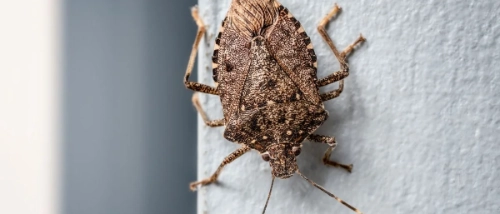
stink bug on wall

Key Physical Features of Stink Bugs

Adult stink bugs have a triangular body, roughly ⅝ in size, that is mottled brown or gray, and features prominent bands on the antennae and wings. They possess piercing-sucking mouthparts, which they use to feed on plant juices.

Nymphs, or immature stink bugs, are smaller and may be more brightly colored, with red, yellow, or orange patterns that fade as they mature. Like adults, they emit a foul odor when disturbed.

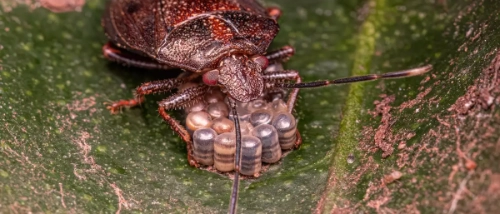
stink bug protecting its eggs

Stink Bug Size: How Large Do Adults Grow?

Adult stink bugs typically range from 12 to 17 millimeters (about 1/2 to 3/4 inch) in length. Their flat, shield-shaped bodies allow them to hide easily in narrow spaces like window frames, vents, or siding cracks.

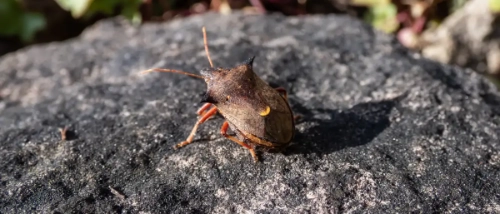
stink bug on rock

Are Stink Bugs Harmful to Humans or Pets?

Stink bugs don’t usually bite. In fact, their mouths aren’t designed to pierce human skin. However, some people may have sensitive skin and develop a rash or allergic reaction to the compounds they release.

In areas with large stink bug populations, such as parts of the Carolinas, exposure to insect allergens indoors could trigger symptoms like rhinitis (runny nose) and conjunctivitis (itchy eyes).

The influx of stink bugs seeking shelter indoors in autumn often coincides with peak fall allergy season, making it difficult for people with existing allergies to pinpoint the source of their increased allergic symptoms.

In the unlikely event of a bite, keep the area clean and relieve itching with a cold compress. If the bite becomes infected, you experience unusual symptoms, or you display allergic symptoms, consult your doctor for advice or treatment.

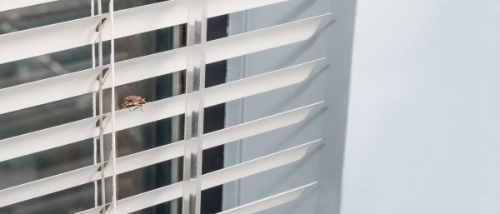
stink bug on shutters

Why Do I Have Stink Bugs In My House?

You might have something around your home that attracts them, or you could just be unlucky. Due to their distinctive flat body shape, these bugs are skilled at getting in through cracks and narrow openings that most other bugs can’t access. They don’t like cold weather, so they’ll burrow inside through imperceptible cracks, holes, or tears around building entryways.

Stink bugs are attracted to light and warmth, making them ideal overwintering locations, so don’t be surprised to find them on or around your porch while they plan their way in. Once inside, they often congregate in south-facing window sills or hide in wall voids, attic spaces, and behind baseboards.

When spring arrives, they emerge from hiding and attempt to exit the property, often ending up in living or work spaces and leading to unhappy tenants, owners, staff, and visitors.

Common Damage Caused by Stink Bugs to Your Property

In agricultural areas, stink bugs are serious crop pests that damage fruits like apples, peaches, grapes, and vegetables like tomatoes, peppers, beans, and corn. They feed by inserting their sucking mouthparts to consume sap, which causes damage such as deformities, corky spots, sunken areas, discoloration, and premature fruit drop. This feeding can lead to shrunken or underdeveloped seeds in crops like corn and soybeans.

Adult stink bugs look for places to hibernate through the winter, entering homes, garages, and outbuildings in large numbers. Despite this and the characteristic, unpleasant odor, they do not cause structural or physical damage to the buildings. 

Some homeowners also report spotting stink bug poop, which appears as small dark specks on walls or windowsills where the insects congregate. While it's not harmful, it's unsightly and can increase the need for cleaning during active infestations.
Ready to Get Started?

Our technicians are ready to rid your space of unwanted stink bugs.

Stink Bug Prevention: How to Keep Stink Bugs Out of My Home

Here’s how you can avoid a stink bug infestation:

  • Proactively seal potential entry points with caulk
  • Repair torn or damaged window screens and make sure all weather stripping is up to date
  • Reduce exterior lighting during the evening
  • Combinations of crop rotation, weed management, and physical barriers, such as row covers, can help to deter pests
  • Clean and vacuum regularly, ensuring to empty the vacuum immediately afterward
  • Reduce potential hiding places outdoors, such as old boards and logs

For recurring infestations, professional stink bug control provides long-term protection through exterior treatments that prevent entry during the wintering season.

How Can Gregory Pest Remove Stink Bugs From My Home Or Business?

An expert exterminator from Gregory Pest Solutions will be your full-service pest solutions provider. Our experts use proven stink bug control and prevention techniques suitable for homes and businesses, whether single-unit operations or multiple sites. We’ve been your trusted, local stink bug exterminator since 1972, breaking the cycle of stink bug infestations.

We will uncover the hot spot and develop an action plan to eliminate active infestations and prevent stink bug populations from regrouping in the future. Using expert knowledge, professional treatment, and targeted baits, we’ll ensure stink bugs don’t continue to be a problem for you.

Contact Your Local Professional Stink Bug Exterminator

Stink bugs can quickly turn from a seasonal nuisance into an ongoing frustration. Whether they're clustering around your windows in the fall or emerging from hibernation in the spring, taking control early prevents larger infestations.

Gregory Pest Solutions offers proven stink bug control services for homeowners, property managers, and businesses across the Carolinas and surrounding states.

With decades of experience and a commitment to quality service, Gregory is your trusted partner for reliable, year-round pest management. Contact us today to schedule an inspection or request a quote for stink bug extermination.

Contact us

Frequently Asked Questions About Stink Bugs

Stink bugs are omnivores known for attacking fruit crops, like soy beans, corn, and nut trees. They also eat other insects and larvae. As winter approaches, their systems slow down and they stop eating. The food in your home is probably safe during this time, as stink bugs just want a quiet place to rest until spring.

Yes. Adult stink bugs have two sets of wings and can easily access windows and openings well above ground level.

While not poisonous to humans, stink bugs excrete a smelly, toxic liquid that gives them their name. This is primarily a defensive mechanism.

If you’ve got stink bugs in your home or commercial property, you’ve probably seen streaks of excrement along your windows or walls. Clean these marks with soap and water to prevent others from following their trail.

No, stink bugs do not bite people or pets. Their mouths are designed almost like a straw, exclusively to consume plant juices.

Get In Touch

About Us

The personal touch sets Gregory apart from other companies. We have been family owned and locally operated since 1972. We get to know you, your family and home.