800-922-2596 Call Now Book a Free Inspection

Many associate scorpions with deserts, so encountering them in the Carolinas can be unexpected. Yet, scorpions inhabit both North and South Carolina. typically remaining concealed. These nocturnal arthropods are highly adaptable and typically remain concealed.  So, it can understandably prompt concern if you spot one inside or near the home.

Gregory Pest Solutions has served families and businesses in the Carolinas for over 50 years, providing expert guidance and responsible pest management. Understanding scorpions, what they are, why they appear, and how they behave, empowers property owners to respond confidently.

What is a Scorpion and What Do They Look Like?

Arthropoda Scorpions are part of the arachnid family, which means that they possess eight legs. Their physical makeup is composed of two segments, called the cephalothorax. The cephalothorax is made up of their extended body and their tell-tale segmented tail ending in a stinger. Scorpions typically prefer dry climates, and because of this are quite susceptible to moisture loss if they’re unable to find shade and shelter during the hottest parts of the day.  Scorpions usually live between three and five years but their lifespan, in the correct circumstances, can end up being two to five times as many years.

Color: Reddish brown to tan, sometimes appearing darker in shaded environments or lighter after molting.

Legs: 8

Shape: Elongated, flattened body with two pincers at the front and a curved segmented tail ending in a stinger.

Size: Typically 1 to 2 inches long for species found in the Carolinas.

Antennae: None, although they have sensitive pedipalps that help detect vibrations and locate prey.

Region: Found throughout the southeastern United States, including scorpions in North Carolina and South Carolina, as well as Georgia, Florida, Alabama, and parts of Tennessee.


Scorpion Identification, Behavior, and Diet

The general structure of a scorpion stays consistent across species, but their coloration, size, and behavior vary. Their nocturnal nature means most people never see them unless they turn over a log, move stored firewood, open a basement door at night, or find one wandering indoors. To understand scorpions in North Carolina or South Carolina, it is helpful to consider their appearance, preferred habitats, and feeding habits. Female scorpions carry their eggs inside their bodies before laying them and then carrying them on their backs until the babies are ready to break out on their own.

What Do Scorpions Look Like and How Can You Identify Them?

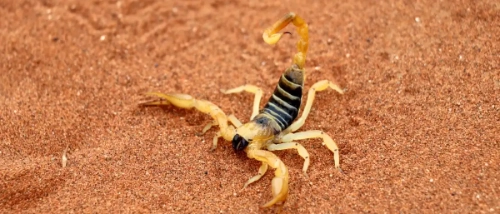
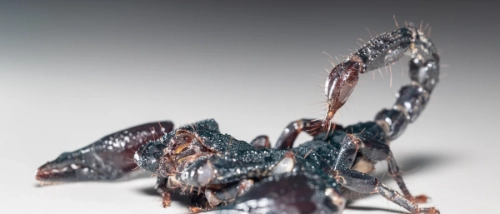
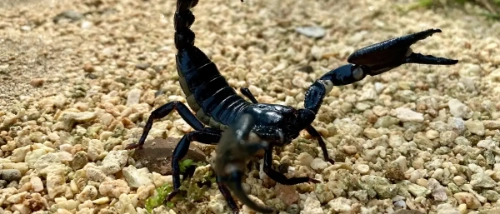
A scorpion’s appearance is unmistakable once you know the key features. Adult scorpions have two pincers called pedipalps, eight legs, and a long segmented tail. The tail ends in a curved stinger, and their bodies are hardened by an external skeleton that protects their internal organs. Many scorpions appear tan, reddish-brown, or dark brown, although their coloring varies depending on the environment and species. In North Carolina, the name “Red Devil scorpion” is a common nickname for the Southern unstriped scorpion, a small species with a light brown to reddish appearance.

Scorpions also have a special trait: they glow under ultraviolet light. This happens because chemicals in their shells absorb UV rays and shine with a blue-green color. Scientists use this glow to study scorpions, but homeowners might notice it by accident when using certain flashlights at night.

Where Do Scorpions Live and What Habitats Do They Prefer?

Scorpions can inhabit a wide range of environments. While desert species capture the most attention, other species thrive in forests, grasslands, rocky slopes, and humid regions. In the Carolinas, scorpions prefer sheltered places that stay cool during the day. Outdoors, they may rest beneath rocks, logs, mulch, leaf litter, landscaping timbers, or woodpiles. Gardens with heavy shade or moisture can support the insects scorpions feed on, which makes those spaces especially appealing.

Scorpion activity is most often reported in warm, humid areas like the Piedmont and foothills, including parts of the Upstate like Greer and Greenville. Although sightings are not especially common, scorpions are present in both states.

Indoors, scorpions may enter through gaps near doors, cracks in foundations, torn screens, open vents, or poorly sealed utility lines. Once inside, they tend to gravitate toward secluded areas, such as garages, basements, closets, and storage spaces. They prefer stillness and darkness, which means many encounters occur accidentally when someone moves an object or disturbs a hiding place.
 

What Do Scorpions Eat and How Do They Hunt Their Prey?

The Scorpion diet consists mostly of insects and other small arthropods. They hunt by waiting patiently for prey to come close. When it does, they grab it with their pincers and may use their stinger if needed. The venom quickly immobilizes the prey, allowing the scorpion to eat safely.

Scorpions use mouthparts designed to break down prey so it can be digested as a liquid. Their feeding process is efficient, and they can survive long periods without eating due to their slow metabolisms. Their adaptability enables them to be successful predators, even in areas where food supplies are scarce and fluctuate. Scorpion behavior in North Carolina and South Carolina follows the same pattern found in many scorpion species worldwide.

Common Types of Scorpions in North and South Carolina

The Southern unstriped scorpion is the most common and widely encountered scorpion species in the Carolinas. It is also known as the Southern devil scorpion or Red Devil scorpion. This species is relatively small, typically measuring around one to one and a half inches in length, and ranges in colour from light brown to reddish-brown. 

This species is most often found in wooded areas, foothills, and rural or suburban environments where shelter and moisture are available. Because scorpions are nocturnal, they are rarely seen during the day and are usually discovered accidentally indoors or under yard debris such as logs, mulch, or firewood.


Are Scorpions Dangerous and Do They Sting?

Most scorpions in North and South Carolina pose no serious medical risk. Their venom is meant for small prey, not people or pets. Still, a sting can cause pain, swelling, or redness. People who are sensitive to insect stings should see a doctor if they have a strong reaction.

Pets can get stung if they accidentally bother a scorpion. Their reaction depends on the animal and the amount of venom involved. Serious problems are rare, but it’s best not to handle scorpions and to be careful when reaching into dark or quiet places.

While local scorpions are not considered highly venomous, it is still important to monitor any sting for unusual symptoms and take sensible precautions to reduce the risk of contact.


Why Do I Have Scorpions in My Home?

Food Sources: Insects Attract Scorpions

Scorpions follow their food. If a property has a steady insect population, scorpions may appear nearby. Insects thrive in areas with clutter, debris, and vegetation, which can indirectly attract scorpions closer to homes.

Shelter: Dark, Protected Hiding Spots

Scorpions seek cool, shaded areas to hide during the day. Stacked firewood, dense landscaping, stored items, and debris provide ideal shelter. Garages, crawl spaces, and patios can also become hiding spots if the conditions are right.

Moisture and Environmental Conditions

Moisture attracts insects, and scorpions follow. Humid crawl spaces, leaky outdoor faucets, poor drainage, and damp areas create favorable conditions for mold growth. Weather changes, such as heat, drought, or heavy rain, can also prompt scorpions to seek shelter indoors. Repeated sightings may signal entry points or conditions that need attention.

If you see scorpions more than once, it may mean there are conditions or openings that let them into your home. One sighting does not always mean a big problem, but it’s still a good idea to check for possible causes.

Seeing Scorpions?

Our technicians are ready to rid your space of unwanted scorpions.

How Can I Prevent Scorpions From Entering?

  1. Seal Entry Points
    Start by fixing what attracts scorpions. Ensure that door sweeps fit properly, screens are intact, and any small cracks in the foundation or siding are repaired. Sealing these openings helps limit access into the home.
  2. Reduce Outdoor Shelter
    Keep the yard tidy by removing unnecessary debris and trimming back vegetation. Store firewood away from living spaces to reduce shaded, protected areas where scorpions may hide.
  3. Control Moisture
    Fix leaks, maintain proper drainage, and ventilate crawl spaces to reduce excess moisture. Indoors, keeping spaces well-lit and uncluttered makes hiding spots less appealing.
  4. Schedule Professional Inspections
    Because scorpions often enter through hard-to-spot openings, periodic professional inspections can help. A trained technician can identify structural vulnerabilities and environmental conditions and recommend targeted improvements based on scorpion behavior and local conditions.

Professional Scorpion Control and Removal

Gregory Pest Solutions has over 50 years of experience and is a leader in North and South Carolina pest control. Our professional pest control technicians assess each situation and formulate a plan to remove Scorpions from your home or business long-term. Environmentally friendly, our methods are effective and safe because we know you care about your employees and customers.

When you hire us to evaluate how extensive your home’s pest problem is, one of our pros will be sent to assess the scorpion situation and then formulate an environmentally friendly plan for elimination and prevention.

Frequently Asked Questions About Scorpions

Most scorpions can live several years in the wild, and some species survive even longer when sheltered in human environments. Their slow metabolism allows them to survive for extended periods without food.

The most widespread species include the Striped Bark Scorpion, the Desert Hairy Scorpion, and the Arizona Bark Scorpion. In the Carolinas, the species most often seen is the Southern unstriped scorpion.

Keeping cracks sealed, repairing screens, and maintaining door sweeps help limit access points. Reducing clutter, addressing moisture issues, and managing outdoor debris also discourages scorpions from approaching the structure.

You likely have scorpions because they found your home to be a reliable source of food, shelter, and the moisture they need. Since scorpions are carnivores, their presence in and around your home or business could be a sign that there is an existing infestation you haven’t yet noticed that is prompting them to seek you out.

Get In Touch

About Us

The personal touch sets Gregory apart from other companies. We have been family owned and locally operated since 1972. We get to know you, your family and home.