© 2026 Rentokil North America © Gregory Pest Solutions – All Rights Reserved.
Supply chain reliability depends on more than trucks, staff, and scheduling. Every warehouse, packaging area, and loading dock must stay clean, sealed, and well-maintained to prevent pests from entering or spreading through the system. Rodents, flies, and stored product pests create contamination risks, slow operations, and trigger costly shutdowns. For many facilities, these problems are not caused by a single event. They develop slowly because maintenance gaps go unnoticed or become a lower priority during busy seasons.
The start of the year is the best time to correct these weaknesses. By reviewing past issues, tightening structural conditions, and setting clear maintenance goals, supply chain facilities across the Carolinas and the Midwest can reduce pest pressure and improve operational performance. Gregory Pest Solutions supports food, manufacturing, warehousing, and logistics clients with preventive strategies that identify risks before they affect shipments, production, or brand reputation.
Build a Stronger, More Resilient Operation in 2026
A resilient supply chain starts inside the facility. When maintenance lapses allow moisture buildup, excess debris, or structural gaps, pests gain opportunities to enter, nest, or contaminate products. Early year maintenance planning provides a structured way to eliminate these gaps and protect the movement of goods across every stage of the supply chain.
Review Last Year’s Weak Points
Every facility develops patterns that reveal where pests are most likely to enter or thrive. Early in the year, facility managers should examine:
- Areas where droppings, webbing, or insect activity were found
- Points where exterior doors failed to seal tightly
- Packaging zones that showed recurring food debris
- Areas where roof leaks or condensation caused moisture
- Historical pest sighting logs and trend reports
This review highlights structural and sanitation gaps that need proactive correction. Gregory technicians often find that issues begin in overlooked areas such as pallet staging rooms, overhead rafters, or damaged insulation above loading docks. When these small vulnerabilities compound, pests can move through a building easily.
Strengthen Exterior Exclusion
Rodents and insects often enter through predictable structural weaknesses. Improving exterior exclusion is one of the most effective facility resolutions because it directly addresses the source of pest pressure. Key areas include:
- Dock door seals
- Worn or missing weather stripping
- Gaps around utility penetrations
- Damaged siding or flashing
- Cracks in concrete or expansion joints
- Holes created by previous repairs or equipment movement
Even a gap the size of a dime can admit mice. By sealing these openings early in the year, facilities reduce the likelihood of in season invasions when warm weather brings heavy pest activity.
Improve Interior Facility Maintenance
Inside the facility, small maintenance lapses can cascade into larger problems. Addressing these internal issues early helps prevent pests from gaining a foothold.
Moisture Control
Standing water near compressors, HVAC equipment, drains, or refrigeration units attracts flies, cockroaches, and rodents. Inspecting for leaks, fixing condensation issues, and improving airflow helps eliminate moisture sources that support pest development.
Lighting Adjustments
Bright exterior lighting attracts flying insects that then enter through open dock doors. Switching to lower attraction LED spectrums can significantly reduce fly pressure. Inside, secure and clean light fixtures help prevent dead insect accumulation.
Storage and Material Handling
Cluttered storage rooms or tightly stacked pallets reduce visibility and create nesting areas. Facilities should maintain clear lines of sight, enforce adequate spacing between pallets and walls, and rotate stored goods to reduce stagnant material that attracts pests.

Perform a Deep Cleaning of High Risk Zones
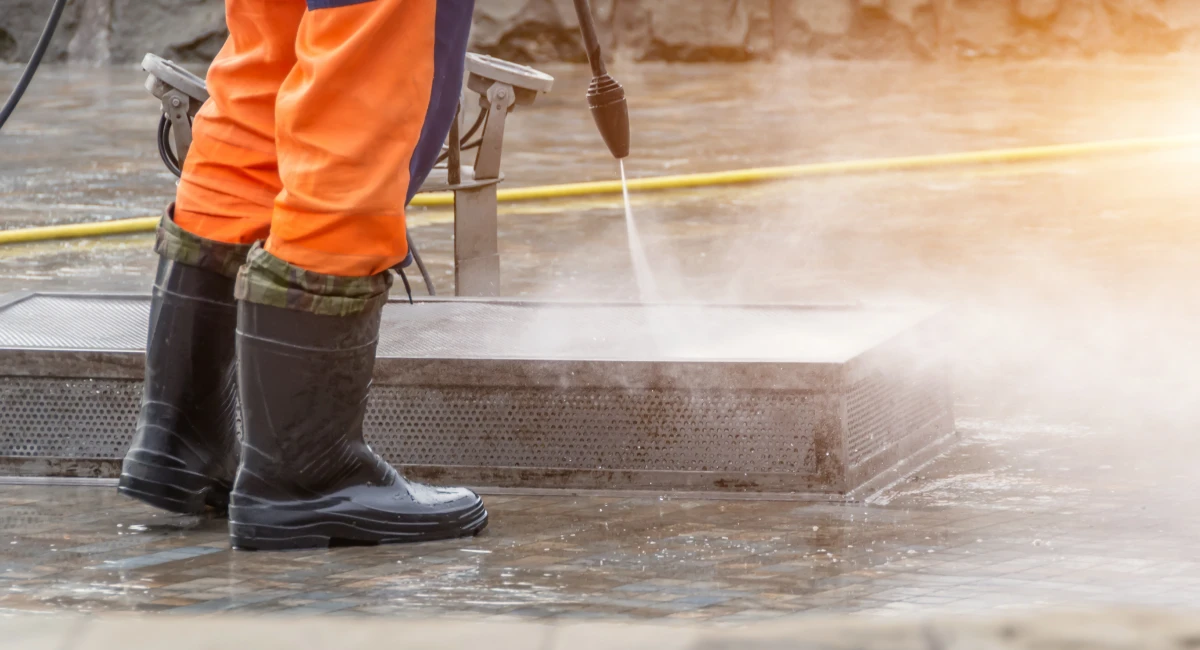
Even well managed facilities experience debris buildup over time. A beginning-of-year deep clean helps remove hidden attractants that standard sanitation may miss. High risk areas include:
- The underside and back sections of production equipment
- Floor drains with accumulated organic material
- Pallet racks that trap spilled product
- Conveyor belts and surrounding edges
- Packaging lines where powders or grains escape
- Ceiling beams and rafters where dust collects
Removing long term debris reduces food sources for rodents and insects while making inspection and monitoring easier for the rest of the year.
Evaluate Waste Handling and Compactor Areas
Waste areas often drive the heaviest pest pressure. Facilities should review:
- The condition of dumpsters and compactors
- Frequency of waste removal
- Leaks or residue around waste pads
- Structural gaps around waste chutes
- Employee habits when disposing of materials
Correcting gaps in waste handling prevents rodents and flies from using these areas as breeding zones that lead directly into the facility.
Assess Pest Monitoring and Device Placement
Device layouts often become outdated as operations change. A start-of-year review ensures that monitoring equipment provides accurate, actionable data. This includes:
- Re-mapping rodent devices to match current pallet flow
- Adjusting insect light traps to reflect new equipment layouts
- Adding devices near recent moisture issues
- Confirming that monitors are secured, clean, and serviced
Gregory technicians use monitoring data to identify trends, measure the impact of maintenance improvements, and target the highest risk areas.
Collaborate Across Departments
Maintenance resolutions succeed when facility teams, sanitation crews, and pest management professionals share the same plan. Managers should encourage cross department communication, especially around:
- Sanitation schedules
- Equipment downtime
- Maintenance work orders
- Areas needing structural repair
- Inventory rotation patterns
This integrated approach reduces blind spots that allow pests to exploit weaknesses.
Document and Track Early Year Progress
Documentation is essential for compliance, audits, and continuous improvement. Early in the year, facilities should set clear goals such as:
- Reducing moisture incidents
- Preventing recurring rodent sightings
- Improving dock sealing
- Enhancing pallet storage standards
- Increasing sanitation compliance
Tracking progress shows auditors that your operation maintains a preventive mindset and can demonstrate proven improvements over time.
Partnering With Gregory Pest Solutions
A pest resistant supply chain depends on consistent facility upkeep, strong structural integrity, and year round vigilance. Gregory Pest Solutions supports distribution centers, food plants, and manufacturing operations with detailed inspections, risk assessments, and customized maintenance recommendations that align with your operational goals for 2026.
Our technicians help identify structural vulnerabilities, strengthen exclusion barriers, fine-tune monitoring programs, and address sanitation challenges that affect audit readiness and product safety. Whether your priority is reducing downtime, meeting customer requirements, or improving facility efficiency, our team provides practical guidance that fits into your existing workflows.
If your operation is planning maintenance upgrades, reviewing supplier expectations, or preparing for upcoming audits, a facility assessment can help you pinpoint the best starting point.
Contact Gregory Pest Solutions to schedule a commercial inspection and explore a maintenance plan tailored to your facility’s needs.
Book Your Free Pest Inspection Today
Our local technicians will assess your property and recommend tailored solutions. Fast, friendly, and completely obligation-free.
- Safe, targeted treatments
- Local experts, fast response
- Trusted, trained technicians