© 2026 Rentokil North America © Gregory Pest Solutions – All Rights Reserved.
It’s the time of year when Carolina foodservice operations ramp up for the late-spring surge in out-of-home dining, and the focus shifts toward capacity and service speed. However, the hallmarks of peak season (patio openings, increased deliveries, and faster table turnover) also coincide with a significant rise in pest activity. In commercial kitchens, a rigorous Integrated Pest Management (IPM) strategy supports both food safety compliance and business continuity, particularly when the pace of service leaves less time for thorough sanitation checks.
May's warmer climate accelerates the life cycles of common kitchen pests, including German and Asian cockroaches and various filth flies, while heavier foot traffic creates more opportunities for entry. In this environment, reactive treatments alone are rarely sufficient. A proactive IPM approach targets the underlying causes of pest activity, such as moisture accumulation in floor drains and structural gaps in receiving areas, to prevent issues before they impact business operations.
Managing the "Open Door" Policy of Peak Season
Busier dining periods mean more frequent deliveries and constant movement between indoor kitchens and outdoor seating areas, creating pest highways if not managed properly. In the Carolinas, where humidity rises sharply through May, even a door propped open briefly during a midday delivery can invite house flies and stinging insects into food-preparation zones.
A strong focus on perimeter exclusion and sanitation will help secure your premises against pests. Functional air curtains and intact weatherstripping around loading areas can significantly reduce flying insects. At the same time, deep-cleaning protocols for hard-to-reach areas, such as behind heavy cooking equipment and under refrigeration gaskets, must not slip as the pace increases. These tight spaces build up organic residue quickly and draw in cockroaches, ants, and small flies.
Keeping your loading dock clean is even more important as you get busier. If you leave deliveries sitting out, pests can hide in the boxes or find a place to stay. You should have a clear plan to check every shipment the moment it arrives. For businesses focused on pest exclusion for restaurant environments, these simple habits are just as important as fixing a broken door or window.
Addressing Seasonal Moisture and Drain Health
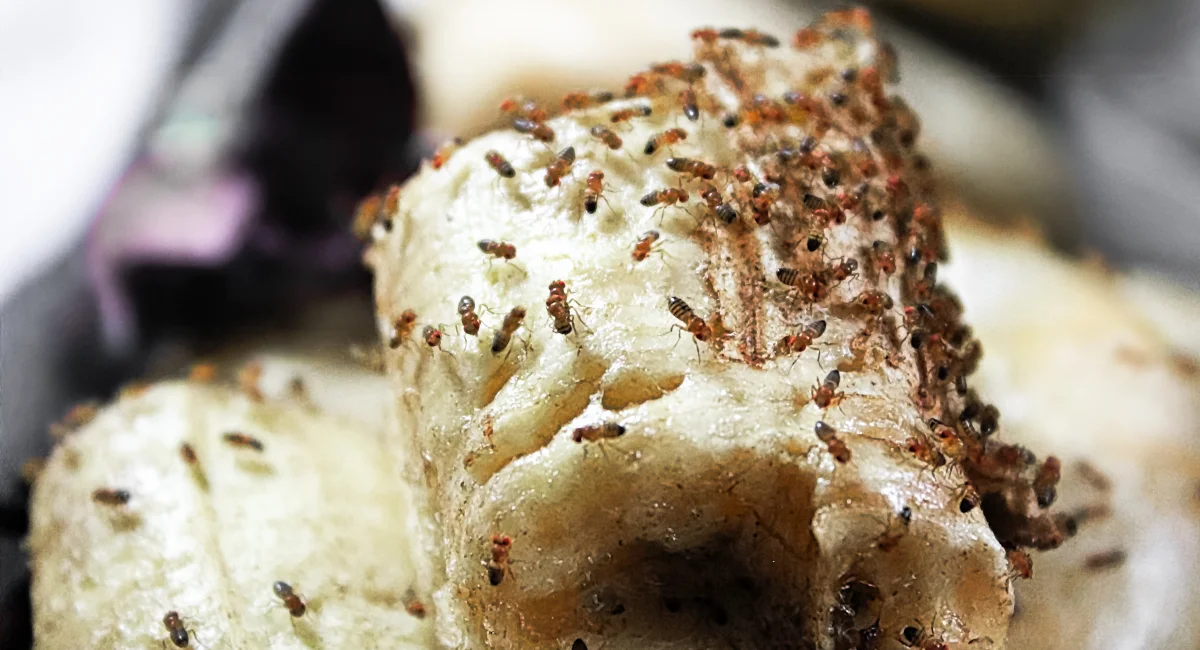
Late-spring rainfall combined with the heavy water usage of busy commercial kitchens creates ideal breeding grounds for small flies, including fruit flies and phorid flies. These pests can indicate sanitation gaps that health inspectors and third-party bodies such as AIB, Steritech, and EcoSure are specifically trained to identify. When the kitchen is busy, drains often get clogged with food and slime. This creates a wet, rotting environment where fly larvae can quickly grow and spread.
A robust commercial pest control program incorporates specialized drain management to break these breeding cycles. Bio-remediation foams and targeted microbial cleaners remove biofilm where flies thrive, helping facilities stay aligned with strict food safety standards. This level of detail is essential for kitchens aiming to maintain strong audit readiness during the most demanding months.
Condensation around walk-in coolers, ice machines, and beverage dispensing systems can also create secondary moisture sources that attract pests. Routine checks of these areas, particularly rubber seals, drip trays, and overflow lines, should be built into weekly maintenance schedules rather than left to responsive discovery.
Building a Culture of Staff Awareness
Even the most comprehensive IPM program can be undermined by gaps in staff awareness. In a fast-moving kitchen, pest prevention depends on the daily habits of every team member, not just the pest management provider or site manager. Line cooks, prep staff, and dishwashers are often the first to spot early warning signs: a fly cluster near a drain, droppings behind a storage rack, or damaged packaging on a delivery.
A simple, consistent reporting process ensures these observations reach the right people quickly. Short training sessions each season help strengthen these good habits (closing doors promptly, rotating stock, cleaning spills immediately, flagging issues, such as damaged door sweeps or cracked floor tiles) are not complex training requirements, but they make a measurable difference in reducing the conditions that sustain pest populations.
When staff engagement and professional pest management work in tandem, the result is a more resilient, audit-ready foodservice operation, and one where every team member understands their role within the broader IPM framework.

Strategic Monitoring for Rapid Response
In any busy kitchen, early detection is the difference between a minor correction and a costly service disruption. Strategic placement of non-toxic monitoring stations enables real-time data collection without slowing service.
Trend analysis drawn from that data allows pest management partners to identify emerging risks before they escalate. Rather than relying on calendar-based treatments, a data-driven approach ensures interventions are targeted, timely, and proportionate to the actual threat, minimizing chemical exposure in sensitive food-handling environments while maximizing program efficacy.
Monitoring also provides documented evidence of proactive pest management, a critical asset during third-party audits. Facilities that can demonstrate consistent tracking, trend analysis, and corrective action to auditors are better positioned to maintain high scores, even during the most demanding periods.
Spring Operational Readiness Checklist
A structured review of your facility's pest-related controls helps ensure nothing is overlooked as high season approaches. The following areas represent the most common gaps identified during pre-summer assessments in commercial kitchens:
- Perimeter exclusion: Verify air curtain functionality at all entry points, and inspect door sweeps, weatherstripping, and dock seals for wear or damage that may have developed over winter.
- Drain management: Implement weekly bio-remediation foam treatments for floor drains, particularly in prep and dishwashing areas where organic buildup accumulates fastest.
- Staff readiness: Conduct brief, focused refresher sessions on receiving protocols, pest-sign recognition, and reporting procedures: 15 minutes is typically sufficient to reinforce the behaviors that matter most.
- Deep-cleaning schedule: Prioritize hard-to-reach areas that are easily missed during daily service, behind cooking equipment, under perimeter seals, and around utility conduits where debris collects unnoticed.
- Moisture control: Perform routine checks of walk-in cooler seals, drip trays, ice machine overflow lines, and beverage system connections for condensation leaks that create secondary breeding sites.
Not every facility will face the same risks, but working through these areas with your pest management partner before summer volume hits provides a clear baseline and a documented starting point for any audit that follows.
Strengthening Your Operational Resilience
When your operation scales for the summer season ahead, your pest management program should evolve in step. Seasonal transitions are a great time to reassess facility vulnerabilities, review service frequencies, and ensure that your IPM plan reflects current operational realities rather than last year's assumptions. For multi-unit operators, consistency across locations is essential to brand protection and regulatory compliance.
If you are looking to refine your kitchen's IPM strategy or prepare for upcoming seasonal audits, Gregory Pest Solutions offers the technical expertise required for complex foodservice environments. Our team is ready to help you identify sanitation gaps and implement sustainable solutions that protect your reputation and business investment.
If your kitchen's IPM program hasn't been reassessed ahead of peak season, now is the time. Contact Gregory Pest Solutions to discuss how we can support your facility through the months ahead.
Book Your Free Pest Inspection Today
Our local technicians will assess your property and recommend tailored solutions. Fast, friendly, and completely obligation-free.
- Safe, targeted treatments
- Local experts, fast response
- Trusted, trained technicians