© 2026 Rentokil North America © Gregory Pest Solutions – All Rights Reserved.
Keeping Rodents and Wildlife Out of Carolina Retail Facilities
As temperatures cool in North and South Carolina, rodents and wildlife often move closer to retail warehouses and store stockrooms in search of warmth and food. Back-of-store areas with loading bays, packaging waste, and food shipments provide everything they need to survive.
Even the smallest gap around a door frame, vent, or utility line can become an open invitation.
Early prevention makes all the difference. Inspecting and sealing entry points before winter begins helps avoid infestations that can contaminate stock, delay deliveries, and lead to costly repairs. A quick store or stockroom walk-through can often reveal vulnerabilities that, once sealed, protect your products all season long.
Wildlife Removal Experts for Retail and Storage Spaces
Wildlife control isn’t limited to rodents. Squirrels, raccoons, opossums, and birds often find their way into stockrooms, attic voids, and signage areas above storefronts. Left unchecked, they can damage insulation, chew wiring, and contaminate inventory.
Working with wildlife removal experts ensures safety and compliance. Licensed professionals use humane trapping and exclusion techniques to remove animals and seal re-entry points. Because wildlife activity in the Carolinas continues year-round, ongoing maintenance and exclusion repairs are the most effective long-term solutions for retail spaces.
Rodent Pressure During Cold Weather
Retail environments attract rodents due to constant deliveries and steady food sources. Once inside, they hide behind shelving, inside packaging, or within wall voids and multiply quickly.
Rodent behavior varies by species. Roof rats tend to climb into ceiling voids or signage, while Norway rats remain closer to ground level near bins, pallets, or drains. Regular inspections, improved sanitation, and discreet digital monitoring help identify activity early before it becomes a visible problem to customers.
Pest Control Solutions for Retail Warehouses and Stockrooms
A strong pest management program safeguards more than inventory, it protects your brand reputation and compliance. In retail warehouses and back rooms, even a minor infestation can delay orders, trigger product losses, or result in failed inspections.
Modern pest control solutions combine prevention, technology, and documentation to maintain standards. Facilities that use sensors, digital reporting, and scheduled inspections detect early signs of pest activity before it escalates.
Focus on structure and hygiene to reduce risks:
- Seal access points: Inspect walls, delivery bays, and vents. Repair gaps with metal flashing or concrete filler
- Maintain door seals: Replace worn stripping and add tight-fitting sweeps to stop rodents from sneaking in during deliveries
- Organize storage: Keep goods six inches off the floor and twelve inches from walls to allow airflow and visibility
- Clean and document: Daily cleaning reduces food sources, and sanitation logs support audit readiness
- Monitor activity: Tracking devices and data reports help you act before infestations spread
A data-driven approach keeps retail operations running smoothly while minimizing disruption.
Impact of Wildlife on Carolina Retail Properties
The Carolinas’ mild winters and wooded surroundings make wildlife intrusion a year-round concern for retail stores and shopping centers. Birds and squirrels often enter signage cavities or vents, while raccoons and opossums may shelter behind dumpsters or in loading bays.
Their presence can cause contamination, odors, and property damage. Chewed wiring and insulation reduce energy efficiency and increase fire risk. Partnering with a professional wildlife control team ensures humane removal, structural repairs, and long-term protection for both your property and brand reputation.
Are There Wild Rats in North and South Carolina?
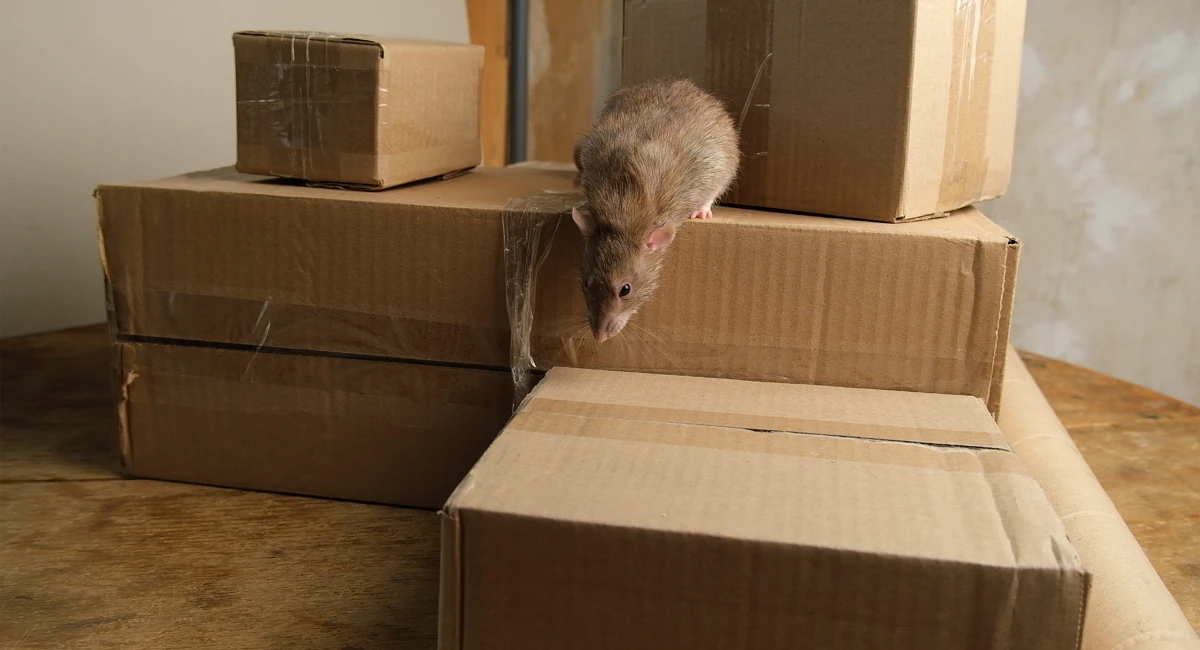
Yes. Both Norway rats and roof rats are common throughout the Carolinas. Norway rats frequent ground-level areas such as loading docks or waste bins, while roof rats nest in ceilings and signage. Cities like Charleston, Columbia, and Charlotte often see higher rodent activity, but suburban retail parks are equally vulnerable. Regular inspections and professional rodent control keep stockrooms protected.
What Falls Under the Rodent Category?
Rodents are mammals with continuously growing front teeth that must gnaw to stay short. They include rats, mice, squirrels, voles, and chipmunks. In commercial and retail settings, the biggest concerns are house mice, Norway rats, and roof rats, all capable of contaminating goods and damaging electrical systems.
Rodent Management Services and OSHA Requirements
Employers must maintain workplaces free from recognized hazards such as pests or wildlife. OSHA’s Sanitation Standard (29 CFR 1910.141) requires facilities to remain clean and free of rodents or insects.
Retail warehouses and food-handling stockrooms may also fall under FDA and USDA regulations, which mandate documented pest prevention programs. Partnering with a certified pest control provider helps maintain compliance, protect employees, and prevent costly business interruptions.
Humane Wildlife Removal and Trapping Practices
When wildlife enters a store or stockroom, humane removal is the safest and most effective response. Professionals use secure traps and immediate exclusion repairs to prevent re-entry. Relocating animals responsibly maintains ecological balance and avoids legal penalties. Untrained removal attempts can worsen the problem or violate wildlife laws, so licensed help is essential.
Pest Infestations Prevention Through IPM
Integrated Pest Management (IPM) combines inspection, sanitation, and targeted treatment to minimize risk and pesticide use. Training staff to recognize signs such as droppings, gnaw marks, or shredded packaging allows for faster reporting and correction. Routine documentation and maintenance logs also strengthen compliance during audits.
The Economic Cost of Rodent Infestations
Rodents cause an estimated $19 billion in economic losses and $6 billion in structural damage across the United States. They’re also linked to around 25% of fires of unknown origin due to wire damage. For retailers, a single rodent sighting can impact customer trust and trigger regulatory action.
Early detection and consistent management protect both profits and reputation.
Partner With Gregory for Wildlife and Rodent Management
Gregory Pest Solutions has decades of experience protecting retail spaces, back rooms, and warehouses across the Carolinas. Our technicians identify entry points, design effective exclusion plans, and provide humane wildlife removal tailored to your site.
We stay ahead of seasonal pest pressures to keep your facility compliant and efficient all year.
Contact us today for a winter pest assessment and ensure your facility stays rodent-free all season long.
Book Your Free Pest Inspection Today
Our local technicians will assess your property and recommend tailored solutions. Fast, friendly, and completely obligation-free.
- Safe, targeted treatments
- Local experts, fast response
- Trusted, trained technicians