© 2026 Rentokil North America © Gregory Pest Solutions – All Rights Reserved.
Maintaining a pest-free kitchen is crucial for homeowners and business operators alike. Kitchen insects and rodents not only disrupt meal preparation but can also have significant health and financial implications. This guide serves to educate both residential and commercial audiences about common kitchen pests, the risks they pose, and steps for both prevention and cleanup.
5 Common Kitchen Pests and Their Identification
Which pests are most commonly found in the kitchen? These five are the ones our technicians most frequently deal with.
Ants
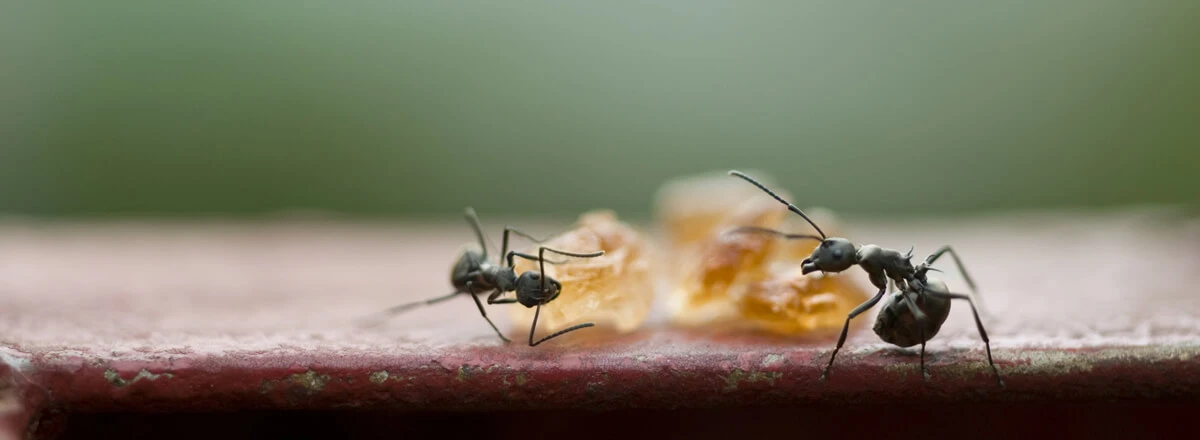
These small insects are usually drawn to kitchens due to food residues, especially those that are sweet. Ants are social insects that live in colonies. If you see one or two, you likely have many more nearby. They use pheromone trails to lead other ants to food sources, and some species, like the carpenter ant, can damage wood structures in homes.
Color: brown, black, red, yellow
Size: .08-1 inch
Cockroaches
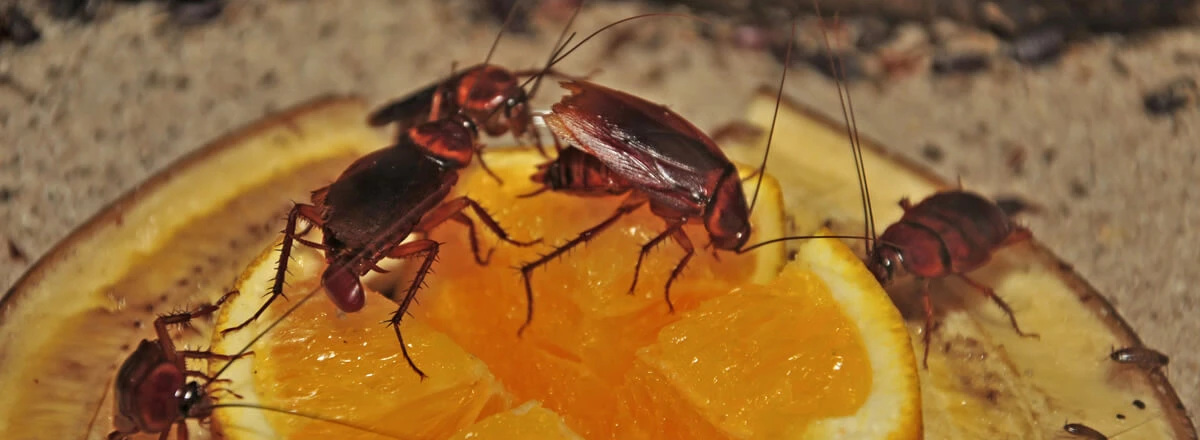
Cockroaches are among the most dreaded pests for homeowners and business owners to find in their kitchen. These nocturnal creatures can breed rapidly and are known to spread a number of diseases. Species like the German cockroach prefer warmer, humid environments such as kitchens and bathrooms. They’re often found lurking near food or water sources, especially during the night.
Color: Brownish-red
Size: 0.5-2 inches
Rodents (Mice and Rats)
%20(1).2025-05-09-09-00-16.webp)
Rodents are warm-blooded mammals that are found throughout the world. Notorious for their sharp incisors that constantly grow, they can chew through nearly anything. This includes plaster, wood, and electrical wires–which could create potential fire hazards and damage expensive kitchen equipment. They seek shelter indoors, especially during colder months, where they search for food and warmth. Their droppings can transmit diseases, and their presence can lead to serious property damage.
Color: Brown, Tan, Black, Gray
Size: 2.5-4 inches (mouse); 5-10 inches (rat)
Fruit Flies
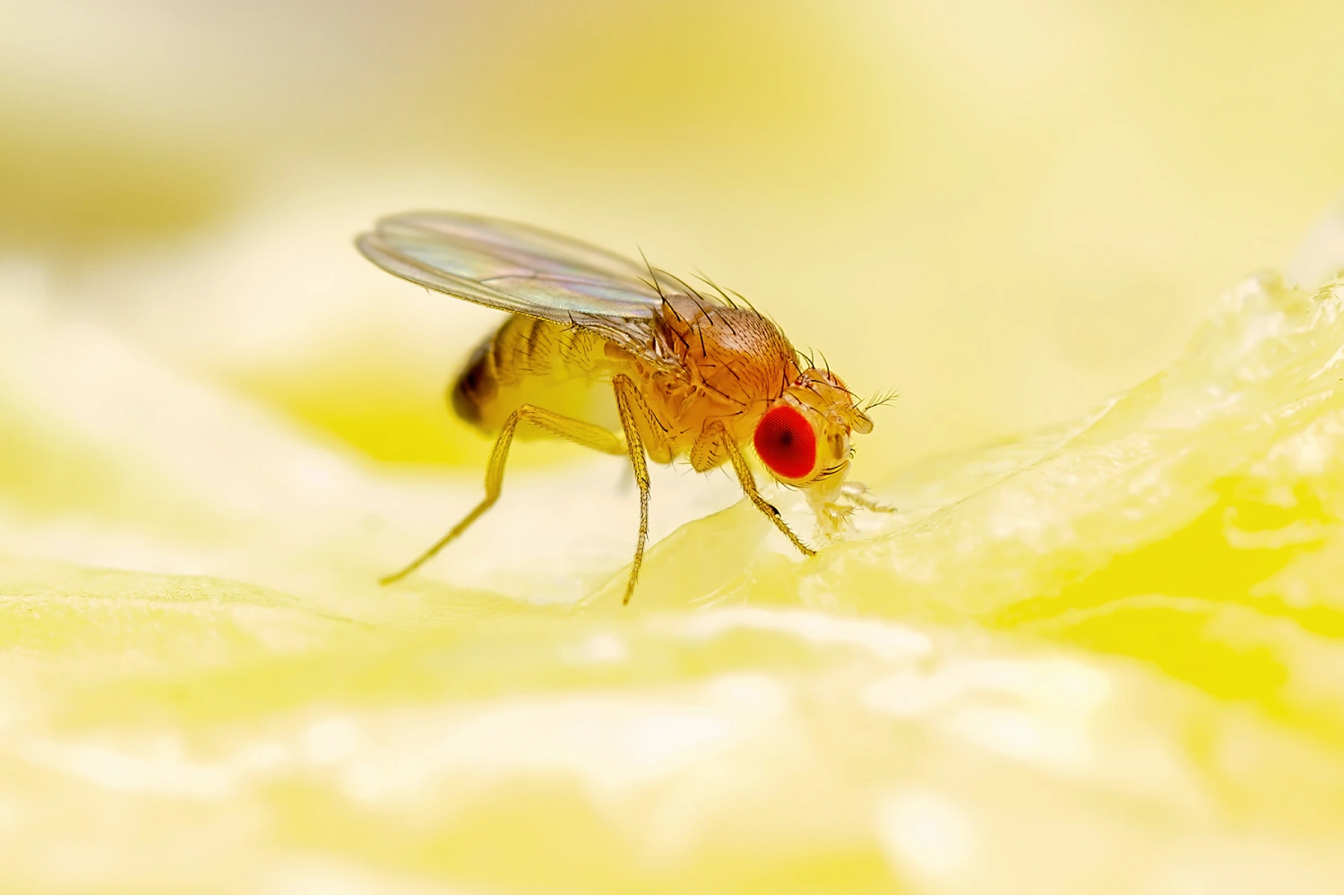
Often mistaken for gnats, fruit flies are attracted to overripe or fermenting fruits. Their life cycle is rapid; they can go from egg to adult in just a week, leading to quick infestations if not addressed. They’re not only a nuisance but they can also contaminate food with bacteria as they move from one source to another.
Color: brown, tan
Size: .0125 inches
Pantry Moths
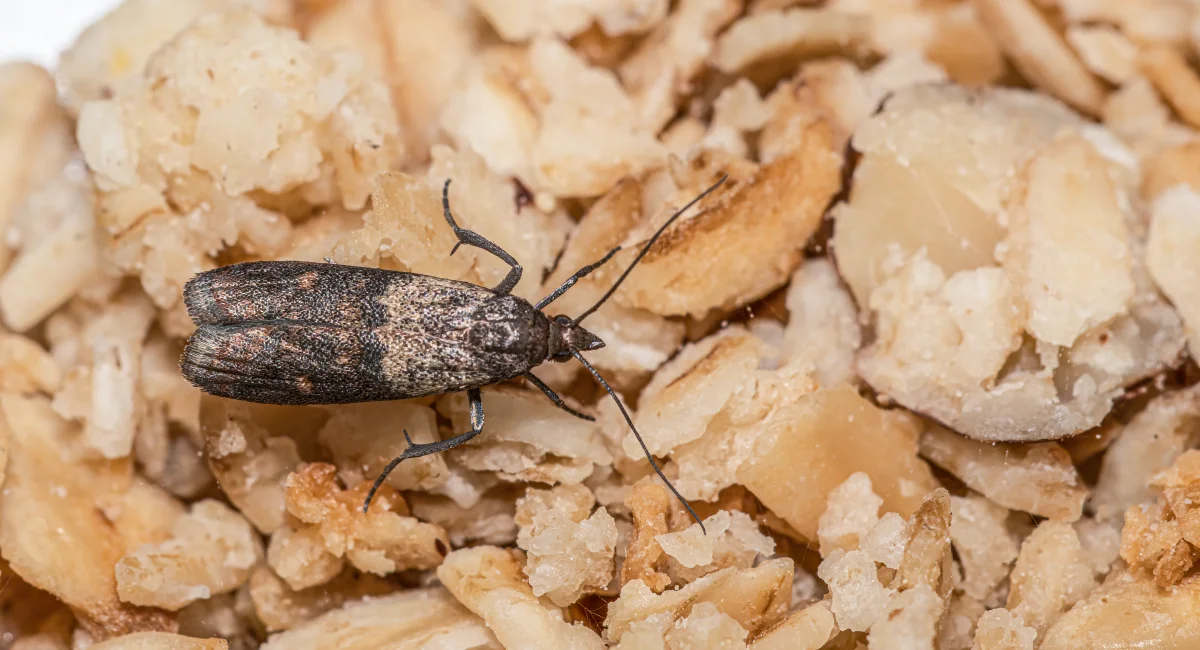
Pantry moths, or Indian meal moths, are a common problem in kitchens. They lay their eggs in dry food products like flour, cereals, or dried fruits. The larvae then feed on these products, contaminating them. Adult moths are often seen flying around the kitchen, while the larvae might be found in food containers
Color: brown, tan, black, orange with mottled patterns
Size: 0.5 inches
The Dangers of Pests Around Food Preparation Areas
Having pests in your kitchen and food storage areas isn’t just inconvenient, it’s dangerous. Here are the primary ways pests can ruin your appetite and workspace:
Health Risks
Many kitchen pests carry and transmit diseases. Cockroaches are vectors for food pathogens and notorious spreaders of bacteria. Rodents carry diseases such as salmonella and Hantavirus. All pests can contaminate food surfaces, utensils, and the food itself.
Damage to Property
Rodents, in particular, can chew through electrical wires, plastics, and even some metals. They pose a serious risk to appliances and structures.
Business Reputation (for Commercial Kitchens)
A single pest sighting can lead to negative customer reviews, reduced patronage, and potential health inspection issues. Multiple sightings could lead to temporary shutdown by health officials.
5 Signs of Pests in Your Kitchen
Everyone who uses a kitchen should know what to look out for. Family, kitchen staff, and employees should all remain vigilant when dealing with potential pests in their food. Here are five signs that you likely have kitchen pests:
1. Physical Sightings
Seeing even one pest, especially during daylight, is a significant indication of an infestation. Trace stragglers back to their point of origin to determine where others are getting in.
2. Droppings
Small, pellet-like droppings near food sources or hiding places are clear signs, especially for rodents. Check under sinks, in the backs of cupboards and in closets.
3. Damaged Food Packages
Gnaw marks or holes in food packaging, especially grains or cereals, are often signs of pests.
4. Unusual Noises
Scratching or scurrying sounds, particularly at night, may indicate rodent activity. These sounds could come from behind walls and in floors or ceilings.
5. Nests and Hiding Places
Materials like shredded paper or fabric could be signs of nesting pests. Look for discarded materials in quiet corners and darker areas.
How to Clean Your Kitchen After a Pest Infestation
Recovering from a pest infestation requires a fast and thorough response to ensure you remove tainted foods and eliminate the risk of contamination.
Immediate Steps
Dispose of any contaminated food and vacuum the affected areas thoroughly. Check neighboring food for signs of contamination.
Sanitization
Clean surfaces with a mix of water and white vinegar or use a commercial disinfectant. The CDC recommends using a bleach solution or disinfectant when dealing with rodents. No matter the pest, it’s essential to eliminate any lingering germs and bacteria.
Measures to Prevent Future Pests
Seal potential entry points, store food in airtight containers, and maintain cleanliness. This includes cleaning up leftovers, washing dishes and taking out trash.
When to Call a Professional
If infestation signs persist or if the scale of the problem grows beyond control, it’s time to seek expert help. Gregory’s professionals have the tools and knowledge to address the root of the issue quickly and effectively. For commercial kitchens, a timely response and effective plan can be especially crucial. We provide pest control services for restaurants of all types.
Keep Your Kitchen Pest-Free
A pest-free kitchen is integral to a healthy living or working environment. By staying informed and proactive, you can minimize the risks and maintain a clean, safe space for food preparation.
If you’re struggling with pests in your kitchen or elsewhere, contact Gregory Pest Solutions today. Our technicians understand the safety issues involved with rodents or bugs in the kitchen as well as the urgency to see them gone. Trust us for dependable kitchen and restaurant pest control.
Book Your Free Pest Inspection Today
Our local technicians will assess your property and recommend tailored solutions. Fast, friendly, and completely obligation-free.
- Safe, targeted treatments
- Local experts, fast response
- Trusted, trained technicians