© 2026 Rentokil North America © Gregory Pest Solutions – All Rights Reserved.
The link between black rats or black plague rats, and human health isn’t just from history books. As carriers of fleas and diseases, it teaches us how rodents can profoundly affect human well-being. From the medieval plague to modern leptospirosis, the threat remains, even as our tools and strategies have improved.
Black rats are symbolic of plague outbreaks. The whole story goes back hundreds of years and touches on subjects like nature, trade, disease control, and current public health issues, especially in the Southeastern U.S.
Fortunately, today’s pest management removes such disease risks and offers long-term protection. Nevertheless, you should still consider reaching out to contact professionals if you see any rodents , especially in the roof and attic spaces. Early identification and species-specific treatment are crucial to reduce the potential damage.
Plague: A Brief History
The Black Death, also known as the Bubonic Plague, was responsible for wiping out nearly two-thirds of Europe. The bacteria named Yersinia pestis caused the disease by spreading through the bloodstream and then into the lymph nodes or “buboes,” hence the term ‘Bubonic Plague’ . Black boils appear on the skin within 3–7 days of exposure, along with flu-like symptoms, which is how the name ‘Black Death’ came about.

Records show that the bacterium Yersinia pestis spread the black plague primarily through fleas that fed on infected rodents. While the image of rats often dominates these stories, modern studies suggest that human parasites may have played a greater role in some outbreaks. Nevertheless, the presence of black rats in port cities reinforced the perception that they were central to plague transmission.
An estimated twenty-five million people in Europe died from the plague. It likely originated in Central Asia and traveled along trade routes, with infected goods and rodents contributing to its spread. Some models indicate that climate conditions favorable to rodents, like gerbils, helped trigger waves of plague outbreaks. Even thought other species were involved, black rats and their fleas were the key link to human transmission.
Whether black rats or other species carried Y. pestis, historical ecology shows how intertwined rodents, fleas, and human behavior were. In medieval Europe, sanitation was poor, and pest control was nonexistent. Black rats often nested in the walls of wood and thatch homes, bringing fleas with them and quickly spreading into areas where people lived.
This history matters today as a cautionary tale. The story of Black Death rats reminds us that rodents can be silent carriers of dangerous pathogens. Today, we know more about how diseases spread, but having black rats in our homes is still a clear warning for our health.
Transmission
The Black Death took three forms: bubonic plague, Septicemic plague, and Pneumonic plague. Flea or rodent bites spread the Bubonic plague, and infected bodily fluids, rodent or flea bites spread the Septicemic plague. These two variations could not pass from person to person through air contamination. Of these three, the pneumonic plague is considered to be the most serious of the three different forms.
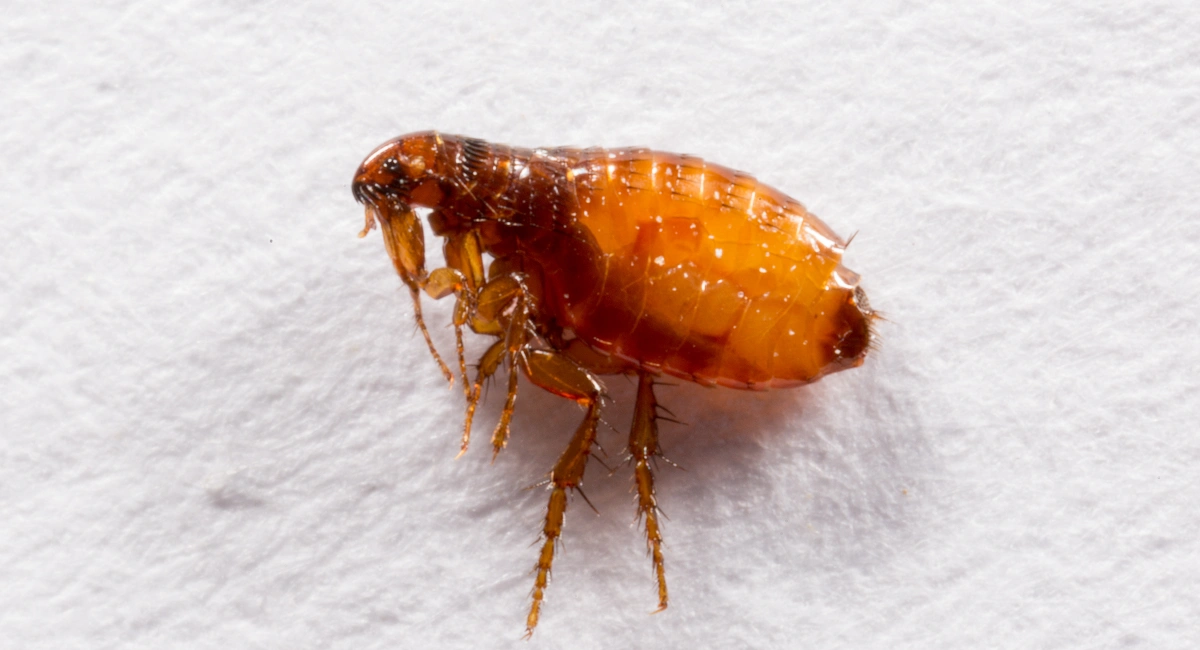
Primary pneumonic plague spreads to the lungs when bubonic or septicemic plague goes untreated. It spread to others nearby when the infected person coughed, releasing bacteria into the air. Breathing in the germs leads to pneumonia, breathing problems, and other serious health issues.
Today, black rats can still spread disease, though the plague isn’t the only concern. Rats carry illnesses through fleas, mites, urine, droppings, and bites. Some hospitals in the Southwest U.S. still see rare plague cases linked to wild rodents like prairie dogs, but black rats can also carry the fleas that spread it.
The greater risk in rodent infestations comes from lesser-known diseases, including rat-bite fever, salmonellosis, leptospirosis, hantavirus, and murine typhus. These can spread through scratches, droppings, urine, or contaminated food.
How Can We Stop the Plague From Spreading Now
Modern public health systems use a multi-layered approach to stop outbreaks. Pest control experts like Gregory Pest Solutions use a mix of monitoring, sanitation, treatment, and education to stop rodent activity. At the same time, public service and healthcare providers help keep communities informed, manage symptoms, and provide care:
- Public and private pest management professionals identify black rats and their nesting areas upon inspection. They seal entry points like cracks, pipes, and gaps around structures. They use insecticides to control fleas and disinfect contaminated areas.
- Healthcare systems remain ready with antibiotics. Early diagnosis and treatment are vital if plague or severe infection occurs. With prompt care, mortality rates drop sharply compared to historical levels.
- Education campaigns inform residents about signs of infestation, disease routes, and prevention. This includes best practices like storing food securely, disposing of trash properly, and cleaning up rodent nesting sites safely.
- Decades of monitoring in the U.S. show that the plague remains under control. About seven cases per year are reported, mostly from rural West and Southwest areas, often involving wildlife contact. While the plague is rare, rat-borne diseases remain an ongoing concern.
- In cities, professional exterminators can control rodents with integrated pest management, involving trash containment, exclusion, population control, and monitoring. In rural zones, wildlife reservoirs are also monitored.
The historical plague pandemic has taught us that continuous, proactive health protection works better than reactive measures. With an experienced and trusted local partner, you can effectively shut down rodent infestations.
Ecology
Black rats (Rattus rattus) are a global pest, and have coexisted with humans since ancient times. Genetic evidence shows they originated in India and Southeast Asia, and introduced to Europe through Roman trade and shipping routes.
The Black Plague spread quickly because people had poor hygiene and no pest control. At the time, many believed the plague came from an imbalance in blood, yellow bile, black bile, and phlegm, or as punishment from God. Some religious people thought bathing and changing clothes showed vanity, so they avoided both. Today, we know that bathing helps reduce bacteria and germs. We also use proven pest control and sanitation methods to help keep rodents and fleas away.
Although we know the chance of contracting the Black Plague is pretty rare now, especially in the US, you should still be vigilant. If you have rat problems, call us! We’d love to help your home or business and stop vermin from ‘plaguing’ your home.

Black Rats, Black Plague in the Southeastern U.S.
In this region, the ongoing concern centers on black rats. Although plague cases are rare and most illnesses come from other sources, the presence of these rodents still triggers public health alerts, especially in areas where they overlap with wildlife reservoirs.
For example, Florida and Georgia have occasionally reported plague in wildlife, such as ground squirrels, rabbits, and other rodents. In such situations, health departments test for Y. pestis and then deploy targeted flea spraying and pest control. Part of that involves finding black rats in homes near affected zones. People may receive notices and guidance on rodent proofing, flea control, and safe clean-up.
Present-day monitoring links rodent activity with potential pathogen outbreaks. Signs like fresh droppings in attics, road kill near homes, or flea bites on pets all matter. Towns and property managers are encouraged to treat infestations proactively rather than react after a case appears.
Because black rats often nest near humans, residential areas, including schools, apartments, and rural homes, must follow best practices. This may include trimming tree limbs, sealing building gaps, cleaning attics and crawl spaces, and addressing moisture issues. These steps reduce habitats for fleas and rats.
Public health departments coordinate with pest professionals to share data on rodent population changes or disease clusters. Knowing that black rats are active helps tailor responses before illnesses reach humans.
Modern Day Rat Diseases
While plague persists, today’s rat disease threats are more varied and subtle. Rat-borne illnesses can spread through multiple pathways: feces, urine, bites, and fleas. Populations of black rats in homes and outdoors can create significant health hazards.
- Leptospirosis is one such disease caused by bacteria in rat urine. It enters humans through cuts or mucous membranes and can lead to organ damage and widespread infection, especially in damp environments where rats thrive.
- Hantavirus, primarily spread by mice, has occasionally been reported in rat populations near human dwellings. Symptoms include severe respiratory distress, which can be fatal if untreated.
- Salmonellosis often spreads from food contaminated with rodent feces. Even minor contact, like droppings on pet food or pantry shelves, can spark illness.
- Murine typhus, passed by infected fleas, can prompt misdiagnosis due to flu-like symptoms, but it can become serious. Without treatment, fleas often come from black rats.
- Rat-bite fever, spread through bites or scratches, used to be common when handling rats by hand. Symptoms include rash, joint pain, and other complications.
- Then there’s bubonic plague, which is still a risk wherever Y. pestis lurks in wildlife. Though rare in the Southeast, any rodent infestation near rural wildlife zones prompts testing. Rat contact, direct or indirect, becomes significant.
The term ‘rat disease plague’ can mislead people into thinking plague is the main risk. In truth, black rats can serve as hosts for a range of diseases. That’s why pest control professionals focus on removing rats and limiting flea and microbial exposure in homes and workplaces. The goal is total disease prevention across the board, and not just plague.
Get a Quote Today!
Worried you might have a big black rat problem or be at risk for rat disease and Yersinia pestis exposure? You’re not alone, but with sophisticated, modern pest control and disease prevention we can get the situation under control.
Our team offers:
- A detailed inspection to locate nests, entry points, droppings, and structural vulnerabilities, especially in attics, crawl spaces, and wall voids.
- A treatment plan tailored to your circumstances and rodent specie . We use elevated trapping, attic exclusion, and rodent-proof sealing for black rats.
- Protected with modern disinfectants and insect control to stop flea transmission and disease spread.
- Safe clean-up and sanitation after rodent removal, to prevent lingering pathogens.
- Preventive maintenance work, including sealing structural gaps, trimming vegetation, and advising on sanitation steps to limit rodent attraction.
- Continuous monitoring if needed, inspections during peak season, and pest control treatments at key intervals.
If you suspect you have black rats and notice droppings, gnaw marks, or hear noises, don’t wait. Their presence poses a genuine risk, from rat disease to structural damage. Early action prevents bigger infestations and exposure to pathogens.
Contact us today to schedule your inspection, get a free quote, and protect your property. Let us help you stop rodent infestations before they become a health crisis.
Frequently Asked Questions
Black rats thrived in medieval cities due to poor sanitation, crowded living conditions, and abundant food waste. Their ability to climb and nest in walls, roofs, and storage areas made them hard to control.
Yes, Black rats can still carry and spread diseases through their droppings, urine, and fleas. These may include leptospirosis, salmonella, rat-bite fever, and, in rare cases, plague.
The most effective approach involves sealing entry points, removing food sources, setting traps in high areas like attics, and using professional pest control to address fleas and nesting sites. While DIY may offer short-term relief, expert help is recommended for lasting protection.
The most well-known outbreak, the Black Death, lasted from 1347 to 1351. However, plague outbreaks linked to rats continued across Europe, Asia, and parts of North Africa for centuries.
Wild rodents like ground squirrels, prairie dogs, and some types of mice can still carry plague. Fleas that feed on these animals can transmit it to humans or pets.
Over time, climate changes, sanitation improvements, and quarantines helped reduce the spread. The eventual decline of black rat populations in cities, replaced by other species, also played a role.
Book Your Free Pest Inspection Today
Our local technicians will assess your property and recommend tailored solutions. Fast, friendly, and completely obligation-free.
- Safe, targeted treatments
- Local experts, fast response
- Trusted, trained technicians