© 2026 Rentokil North America © Gregory Pest Solutions – All Rights Reserved.
Even though October marks the onset of Fall, here in the south, it only really starts to get cold at the end of October. The onset of cold weather is when wildlife starts looking for shelter for the winter. They can get into your home through chimneys, cracks in siding and through crawlspaces. Some animals can pose risks to your health and to your property. Here are some tips to keep wildlife in the wild this winter.
1. Cut Vegetation Away From the Home

Overhanging tree limbs make your home easily accessible to a variety of pests. Squirrels, raccoons and opossums use the vegetation as a highway to chimneys and can also tunnel through damaged shingles. Keeping vegetation cut back from the home will decrease the points of access for wildlife and also for pests such as ants.
2. Seal Garbage Cans

If you have a wildlife problem, it’s likely because your yard or home has ample sources of food, shelter and water. When you limit these resources, animals will most likely move to a different location that can better support them and their young. Raccoons, opossums and rodents will scavenge for food in and around garbage cans. Cover waste receptacles to both contain the smell and make it harder for scavengers to access.
3. Patch Damaged Siding and Shingles and Cap Chimneys and Vents
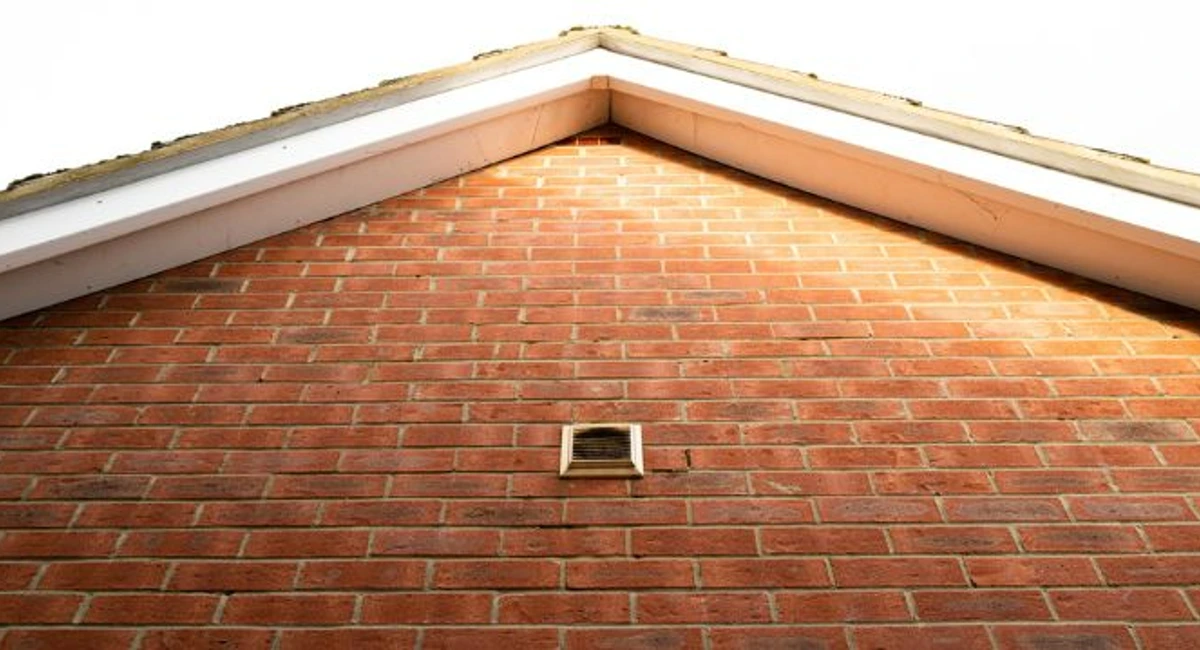
Damaged siding and shingles create another entryways pests and wildlife can use to get inside your home. An issue like this paired with overhanging vegetation is akin to sending an invitation to nearby insects and wildlife to make their winter home in your home. Repair these damages and cap chimneys and vents to keep out insects, bats and other pests.
4. Clean Up the Yard
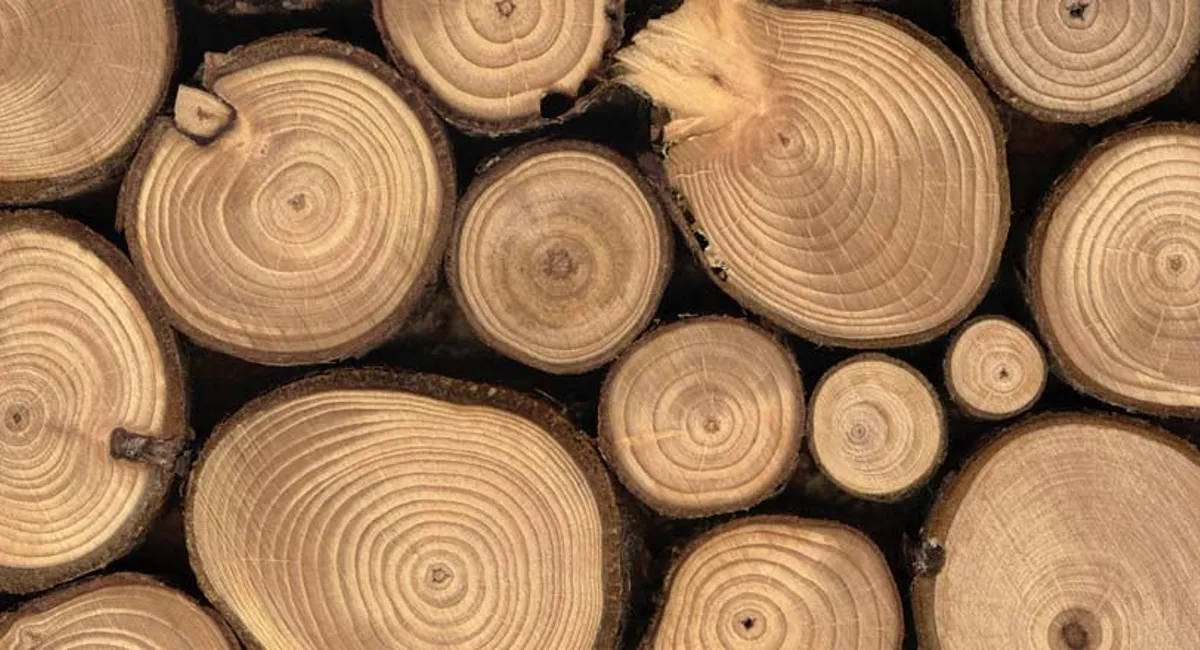
As previously stated, nuisance wildlife are in your yard because there is enough food, shelter and water to support their needs. Free your yard of leaf litter, brush, dead branches and other clutter to reduce shelter. Another tip for your yard is to keep firewood at least 20 feet away from your home and 5 inches off the ground. This deters termites as well as other pests from making the woodpile their new home.
5. Keep Bird Feeders Out of Reach
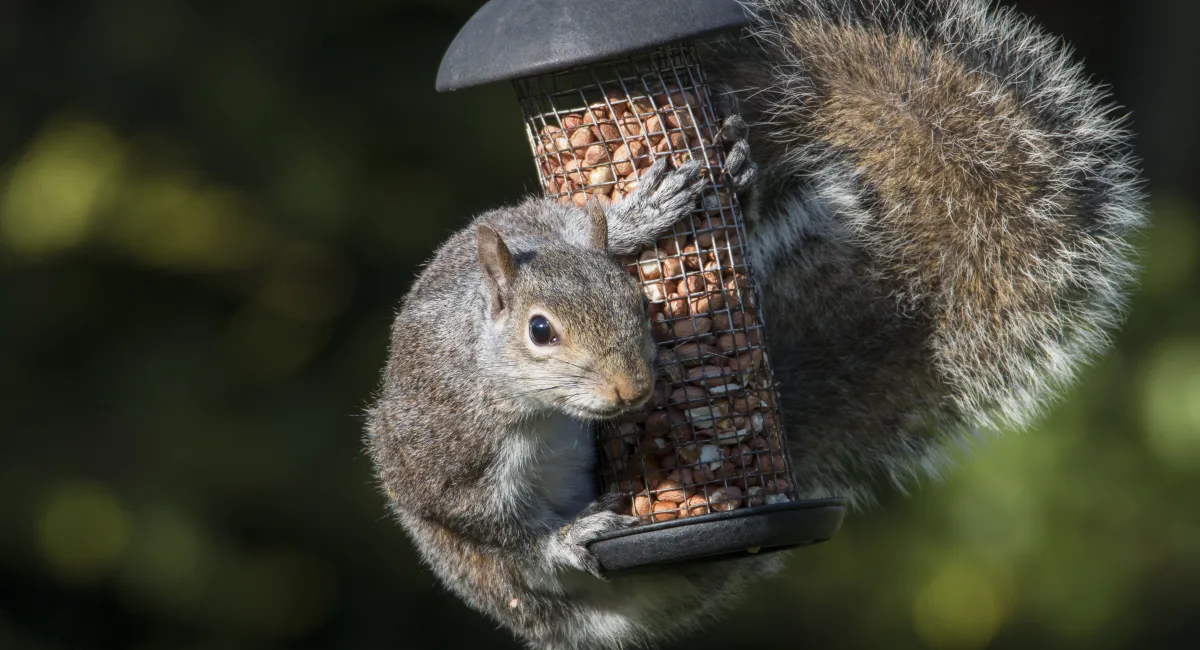
Many homeowners have bird feeders in their yards, and though it may support the local bird life, it also can support squirrels, raccoons, and sometimes even bears like to get in on the bird feeder action!
Book Your Free Pest Inspection Today
Our local technicians will assess your property and recommend tailored solutions. Fast, friendly, and completely obligation-free.
- Safe, targeted treatments
- Local experts, fast response
- Trusted, trained technicians