© 2026 Rentokil North America © Gregory Pest Solutions – All Rights Reserved.
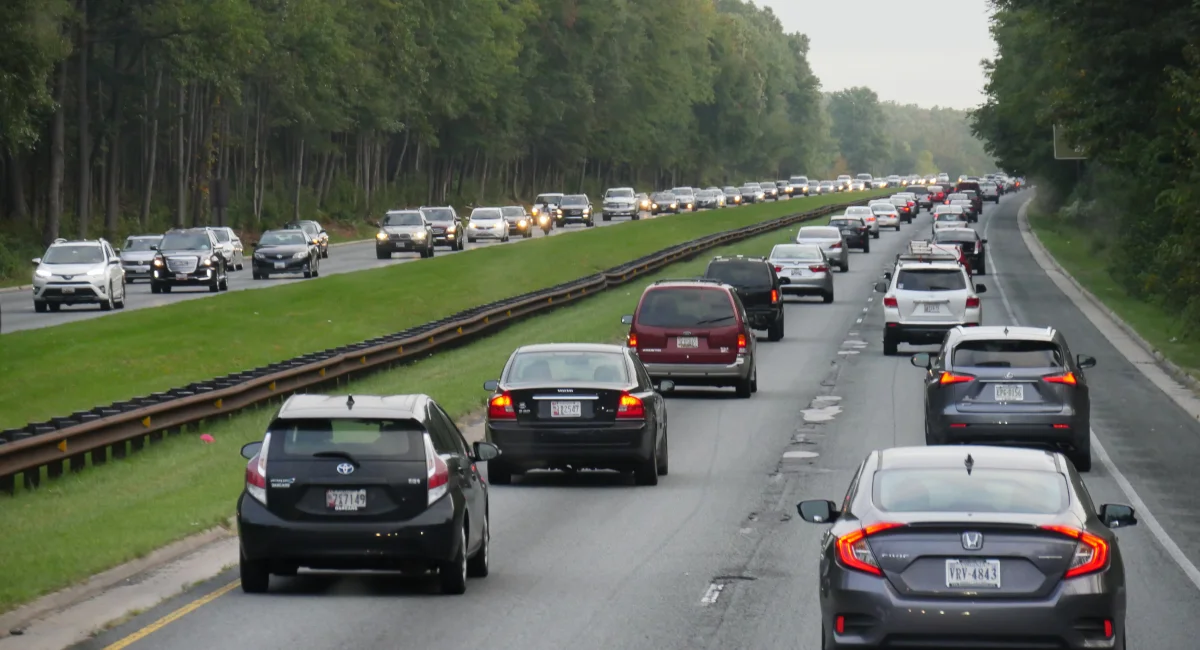
You may not expect to find ants in your car, but given the prevalence of ant colonies in the Carolinas, motorists shouldn’t be surprised to find them invading this space. It’s not uncommon to see individual ants trailing across the dashboard or catch several ants marching across the upholstery. It can be distracting and dangerous if your car is infested with ants, whether driving along the busy Interstate 85 or navigating heavily congested city traffic in Columbia, for example.
If you can determine why ants are targeting your vehicle, you can take the necessary steps to stop them. The expert tips below can help you protect your car and reduce the likelihood of ants hitching a ride.
Why Are Ants in My Car?
Many people assume that ants only appear when snacks or sugary drinks are left behind. While that’s one of the biggest reasons, it’s not the only one. Other common attractants include:
- Forgotten food wrappers under car seats
- Invisible food residue (especially in family vehicles)
- Moisture from a leak in the floorboard or trunk
- Scent trails left behind by previous ants
Ants have strong olfactory senses and can follow a scent trail from 200 meters away, even if there’s no food visible. So yes, you might be dealing with ants in my car, even if it looks clean.
Where Ants Like to Hide in Cars
When ants pick up a scent, there’s no stopping them. They use pheromones to lay trails that can guide other workers to the food source. More ants may reinforce the trail if the source is good, making it stronger. You might inadvertently transport ants in shopping bags, take out food packaging, or clothing, or they’ll sneak in through air vents, hiding inside door panels around car mats, or under seats to avoid detection.
Some people report seeing black ant clusters around the dashboards, doors, or in trunks. These are often odorous house ants or pavement ants. While they don’t pose a significant health risk, they can multiply quickly.
Why Ants in the Car Can Be a Problem
Ants crawling on you or across your dashboard while you’re driving can be a serious distraction. It only takes a moment of lost focus to put you or others at risk on the road. Some ants can also bite or sting. While many common ant species aren’t aggressive, those that do bite can cause pain or allergic reactions. That’s a risk you don’t want to take behind the wheel.
In more serious cases, a large number of ants might try to build nests in your car. They can fit into tight spaces, such as vents, wiring, or insulation, which can eventually lead to electrical faults or damage to your vehicle’s interior.
And if ants nest in your car, they may not stay there. They may end up in your garage, driveway, or even inside your home. For anyone already dealing with ant issues indoors, this can exacerbate the problem.
If you see signs that your car is infested with ants, treat the infestation before attempting to drive to prevent injury or an accident, and to avoid nest migration beyond or within your vehicle.
How to Get Ants Out of a Car Quickly
Before starting remedial work to deter or eliminate infestations, you should figure out why they’re there, so your cleanup isn’t in vain. Then you can work on removing them. Here are some steps that can help:
1. Clean the interior thoroughly: Vacuum seats, floors, and between cracks, wipe down all surfaces, and remove trash, wrappers, and old receipts. Also, check under mats, car seats, and in the trunk for attractants.
2. Look for scent trails: Ants leave behind pheromones that guide others. Use a mild vinegar solution to wipe down high-traffic areas. This can help disrupt their path.
3. Move your parking spot: If you always park in the same place, and there’s a nest nearby, ants might keep coming back. Try switching up your location if possible.
4. Address moisture issues: Damp areas in the car can attract ants. Ensure there are no leaks or wet spots under the mats.
5. Try natural deterrents: Peppermint oil spray can help deter ants, as well as citrus peel and cinnamon in small cloth bags.
These DIY steps may reduce ant activity, but keep in mind that they are often temporary. If you're dealing with a car infested with ants, you may need professional-grade treatments to eliminate the nest.
Once the ants have gone, take precautions to prevent their return: avoid eating in your car whenever possible, clean up any messes immediately, don’t leave food wrappers or drink containers in the car overnight, and keep the floors and mats dry.

Should You Use an Ant Bomb or Fogger in Your Car?
Ant bombs or ant foggers are aerosol products designed to release a cloud of insecticide inside an enclosed space, usually homes and larger buildings. Although considered a quick DIY fix by some, there are a few things you should know before trying them:
- Most foggers are made for home use and may not be designed for cars. That means they might not reach the right spots in your vehicle or could damage surfaces not meant to be exposed to certain chemicals.
- Chemicals can linger on surfaces and may affect the air quality inside your vehicle. This may affect the air quality inside the car and could be unpleasant, or even unsafe, for people and pets who ride in it afterward.
- Even if the fogger kills visible ants, it likely won’t treat the root of the problem. You’ll still need to clean thoroughly and address the source of the infestation to avoid repeat infestations.
Professional Solutions for Ants in Cars
If DIY steps don’t work or the problem persists, we’re here to help. Gregory Pest Control technicians will inspect your car and the surrounding area to find the source of your ant problem. When they identify the ant species, they’ll apply the appropriate treatment and offer prevention advice. For instance, black ants in cars often start outside the vehicle, our exterior treatment plans help target the root of the problem. Contact us today, and let us resolve your ant issue.
If you need professional help with an ant infestation, schedule your free inspection today, and protect your property.
Book Your Free Pest Inspection Today
Our local technicians will assess your property and recommend tailored solutions. Fast, friendly, and completely obligation-free.
- Safe, targeted treatments
- Local experts, fast response
- Trusted, trained technicians