© 2026 Rentokil North America © Gregory Pest Solutions – All Rights Reserved.
Understanding Ant Behavior: Why Are They in Your Home?
No one wants ants crawling through their pantry or food storage areas. These pests are numerous and persistent, and without a professional strategy, they quickly escalate into hard-to-end infestations that can compromise both health standards and household peace of mind.
If you’ve seen ants on your kitchen counter or in your storage zones, you’re not alone. Recent pest control statistics show that about half of American households and businesses deal with ants each year, making them the country’s most common—and frustrating—pest.
Below, we will explain why ants invade your property, what attracts them to your storage, and most importantly, how to get rid of ants in pantry areas efficiently to ensure they don’t return in the long term.
What Attracts Ants to Your Pantry?
Ants are not in your pantry by chance. Like all living creatures, ants need food, water, and shelter to survive. Your kitchen provides all three easily, making it prime real estate for these pests.
Food Sources:
- Crumbs and food debris on countertops and floors
- Unsealed snacks like crackers, cereals, and chips
- Sweet substances, including sugar, honey, and syrup
- Pet food left in bowls or unsealed bags
- Sticky spills from drinks
- Pantry staples such as flour, rice, and pasta
- Garbage with food waste
Water Sources That Draw Ants Inside:
- Leaky pipes under sinks or behind appliances
- Dripping faucets and condensation
- Pet water bowls left out continuously
- Damp areas in bathrooms or basements
- Overwatered houseplants with standing water
Shelter and Nesting Opportunities:
- Warm environments during cold weather
- Wall voids and cracks
- Undisturbed areas behind appliances
- Cardboard boxes and cluttered spaces
Once ants discover the above, they let all the ants know. They establish trails and communicate the location to their colony through pheromone signals. A single scout ant can lead thousands of workers straight to your pantry shelves within hours. Ants also enter homes because:
- Seasonal changes drive them indoors during extreme weather
- Nearby outdoor nests of ants naturally forage inside
- Construction or landscaping disturbs outdoor colonies
- Ants explore vulnerable entry points like foundation cracks and gaps around windows
Understanding these factors helps explain why ants keep coming back even after cleaning.
.2023-10-31-16-04-27.webp)
Preventive Measures: How to Keep Ants Out
Keep Your Home Clean
Regular cleaning and upkeep can make a big difference in preventing ants from taking over your pantry. If you spot ants in your kitchen or pantry, act fast. Here’s what you should do:
- Remove the Pheromone Trail: Clean the area with a mix of white vinegar and water to erase the scent trail ants leave behind. Spray the trail and wipe it away with a cloth.
- Clean surfaces: Clean your countertops, pantry shelves, and sink to remove crumbs or sticky spots. Vacuum up debris, paying attention to corners and small spaces where ants might hide.
- Floor maintenance: Pick up any food that falls on the floor and clean up spills right away. Sweep and mop regularly, especially under appliances and in corners.
- Inspect Your Pantry: Check inside opened packages, as ants can get through cardboard and thin plastic. Throw away any food that’s been contaminated, sealing it in a bag before taking it outside.
- Seal food properly: Store cereals, crackers, flour, sugar, and sweets in airtight containers or sealed bags to keep ants out. Do the same for pet food, and avoid leaving it out overnight.
- Use ant-deterrent scents: Ants dislike scents like cinnamon, peppermint, and lavender. Try using essential oils or cleaners with these smells in your pantry and kitchen to help keep ants away.
- Empty trash regularly: Use trash bins with tight lids and empty them often to avoid attracting ants. Clean the bins themselves from time to time to remove any leftover residue. Use trash bins with tight lids.
Sealing Potential Entry Points
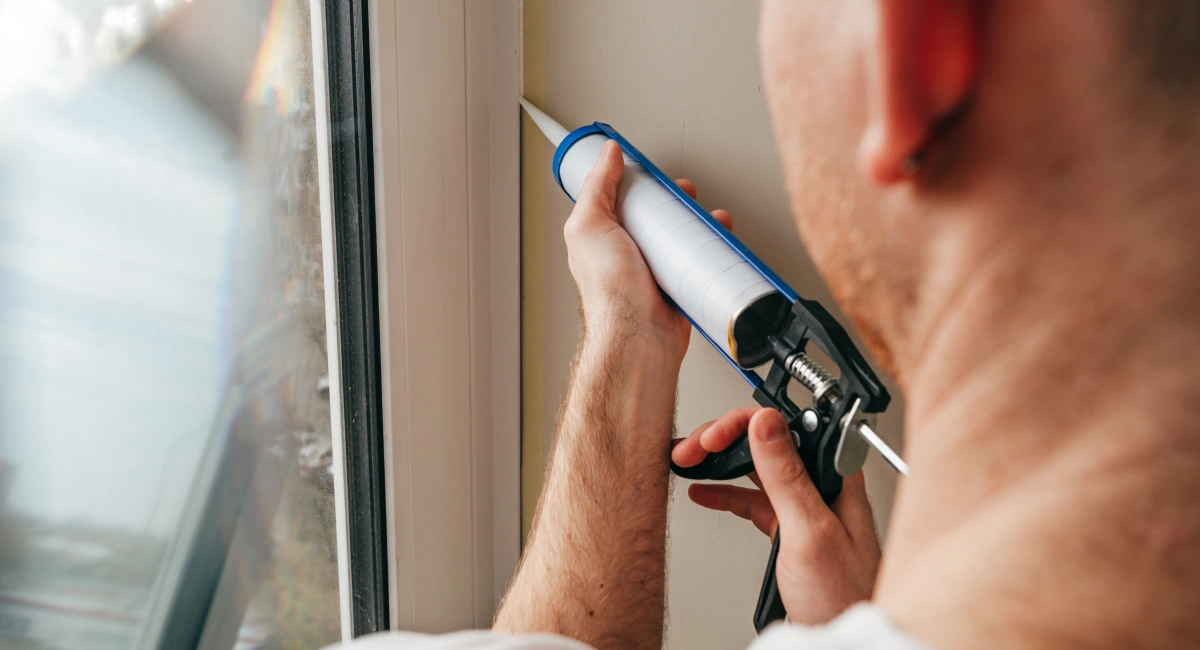
It's important to look around your home and seal any cracks around windows, doors, and the foundation, as this is where ants get in. Look for gaps around:
- Window frames and door thresholds
- Utility lines entering your home
- Baseboards and wall corners
- Pipes under sinks
- Electrical outlets
Experts at Gregory Pest Solutions can help you identify overlooked entry points and provide professional sealing services to keep ants out of your property, especially when approaching peak season in the Carolina’s.
Why Professional Ant Control Works
When you contact a professional pest control service, they can help find a long-term solution to keeping ants out of your pantry—something that DIY methods often can’t achieve.
Professional Ant Control can:
- Identify the specific ant species: critical for effective treatment
- Locate the colony and nesting sites
- Apply targeted treatments that eliminate the entire colony
- Seal entry points to prevent re-infestation
- Provide ongoing monitoring and prevention
Professional ant control services use advanced tools and products that aren’t available to the public, so you get better and longer-lasting results.
Ants can be very hard to get rid of for good, so don’t wait to get professional help if you need it. Gregory Pest Solution’s experts will check your situation, identify which ants are causing trouble, and create a plan to remove them from your home.
If you need professional help with an ant infestation, schedule your free inspection today, and protect your property.
Book Your Free Pest Inspection Today
Our local technicians will assess your property and recommend tailored solutions. Fast, friendly, and completely obligation-free.
- Safe, targeted treatments
- Local experts, fast response
- Trusted, trained technicians