© 2026 Rentokil North America © Gregory Pest Solutions – All Rights Reserved.
When ants appear in large numbers, often unexpectedly, property owners in North and South Carolina frequently reach for ant spray. Quick-fix solutions like these are widely available, but are they the best approach for keeping ants at bay in the long run? When used correctly they can reduce visible ant activity. But used incorrectly and they can disperse colonies, making infestations harder to detect and control.
On this page we’ll examine how any spray for ants works, analyze their effectiveness, and go over essential precautions for using them in your home.
How Does Ant Spray Work?
Ant sprays are effective as they typically contain active ingredients that either eliminate ants on contact or create a barrier to repel them. Standard sprays include:
- Neonicotinoids: Synthetic chemicals that target the nervous system of ants, ultimately eliminating them. While highly effective, they have sparked concerns regarding their potential environmental impact.
- Pyrethroids: Artificial compounds inspired by the natural insecticidal properties of chrysanthemum flowers. These chemicals also disrupt ants’ nervous systems, causing paralysis and ultimately eliminates them.
- Essential Oils: Natural plant-based oils, such as peppermint spray for ants, as well as clove and citrus, are used in certain ant sprays as a deterrent. They are viewed as a safer alternative but may not be powerful enough for severe infestations.
The effectiveness of treatment is determined by the ant type, the severity of the infestation, and the precision of the application.
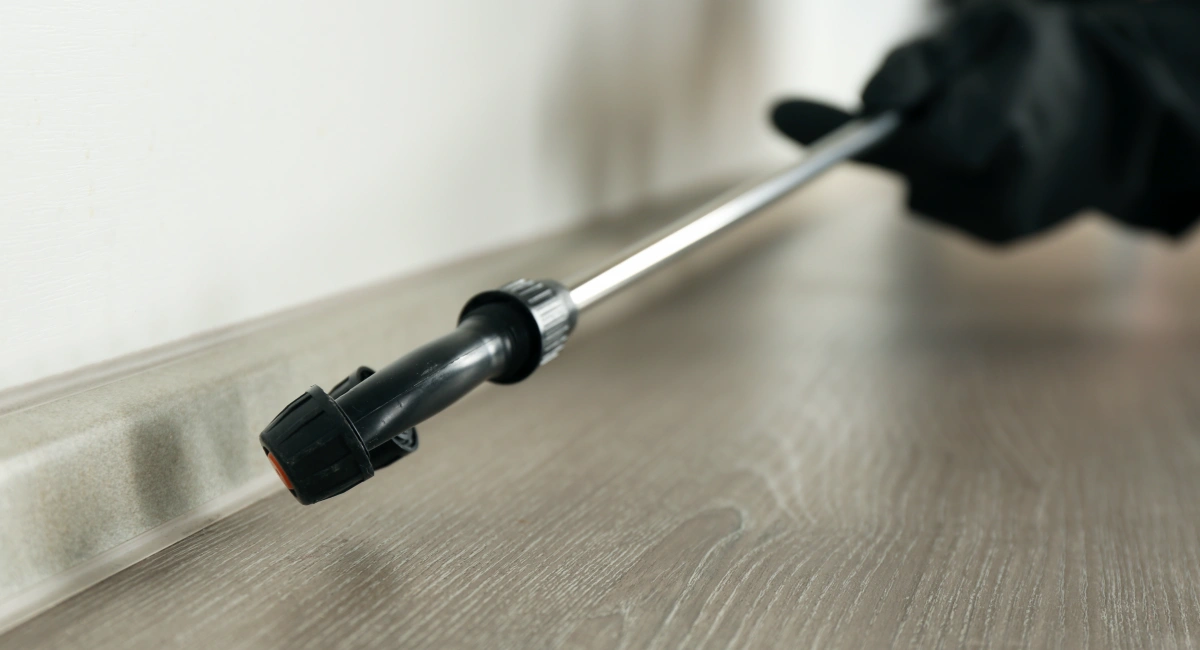
Do Spraying Ants Work?
By targeting ant trails, sprays offer fast-acting results, eliminating ants on contact. While this offers temporary relief, it fails to tackle the colony and queen, so the infestation will continue. For a more permanent solution, consider these steps when spraying for ants:
-
Food Sources: Store food in airtight containers and clean up crumbs or spills immediately to maintain a clean, kitchen environment.
-
Entry Points: Identify and seal any cracks, gaps, or openings around your home to prevent ants from entering.
-
Baits: Ant baits offer a long-term solution by attracting ants with poisoned food that they carry back to their colony. This approach eliminates the queen and reduces the entire ant population.
When dealing with a severe ant infestation, it is strongly advised to seek the help of a professional ant exterminator who will apply right targeted treatment to eliminate the queen as well as the colony.
Is Ant Spray Safe for Babies and Pets?
When applying ant sprays, you should prioritize safety. Standard sprays often include chemicals that may be harmful if accidentally inhaled or ingested. Look for ant spray safe for pets that is also suitable for use around children. Proper product selection and careful application can lower the risks. Consider the following safety tips:
Apply with Caution
Ensure that any spray for ants is kept out of reach of children and pets during, and after spraying. Avoid spraying near food, toys, or bedding, and allow the area to fully dry and ventilate before letting children and pets back in.
Natural Alternatives
Consider using non-toxic sprays made from essential oils as a safer option. While they may require more frequent application, they are ideal for homes with children or pets.
Read Labels Carefully
Always review the product label before use and follow the instructions closely. To minimize risks, go for sprays labeled as safe for use around children and pets.
If you’re facing persistent ant problems or need guidance on the best products, contact the Gregory Pest Solutions team. We tailor recommendations and treatment plans to address your specific needs.
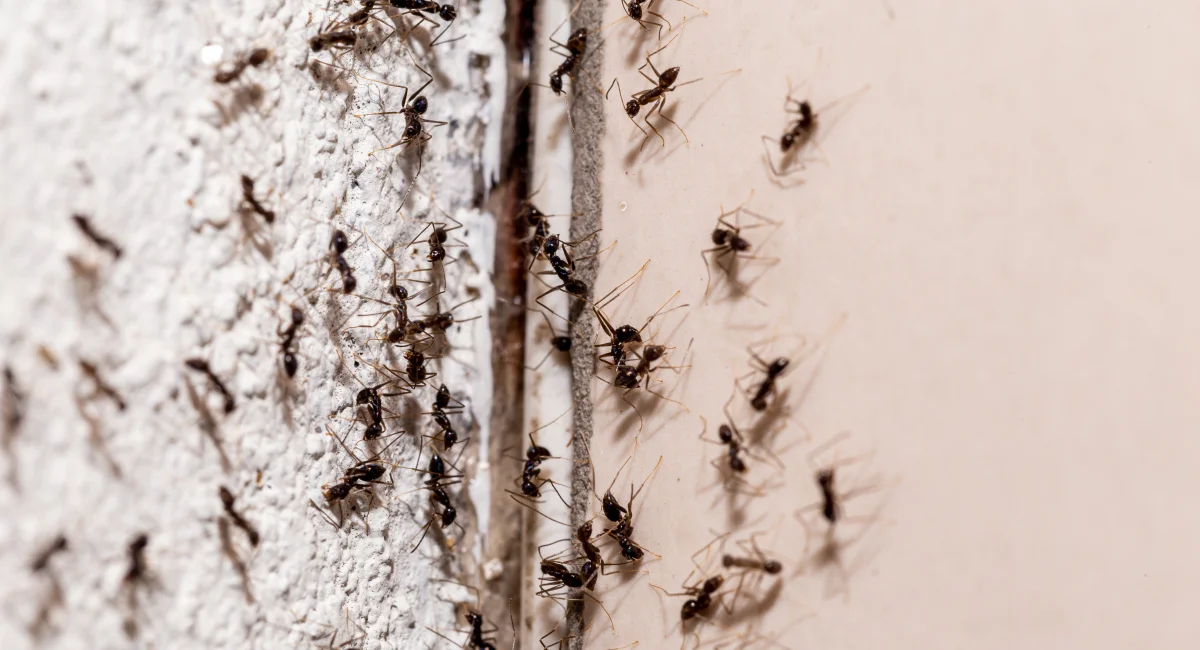
Why Ants Keep Coming Back After Spraying
The stubborn nature of ants is what makes them so frustrating. After you spray them, they tend to come back. Here’s why:
- Hidden Colonies: Ants often build their colonies in concealed areas, such as drop ceilings, crawlspaces, cable conduits. Spraying only for visible ants addresses part of the problem, as the hidden colony will continue to send reinforcements, allowing the infestation to persist.
- Multiple Colonies: Certain ant species create multiple colonies or connected nests. Destroying just one colony doesn’t solve the problem, as ants from other colonies will continue to invade, leading to an ongoing infestation.
- Pheromone Trails: Ants rely on pheromone trails to lead others to food sources. If these trails aren’t entirely wiped out, ants will keep following the same route, causing the infestation to return.
It can be easier to spot activity earlier in homes with a smaller footprint, but colonies can go undetected for longer in shared buildings. Depending on the species, the colony could include thousands of ants, with multiple queens, requiring professional ant removal for complete eradication.
Gregory Pest Solutions is Here to Help
If you’ve tried DIY spray for ants and they keep coming back, you may need professional help. At Gregory Pest Control, we offer ant treatment services for homes of all shapes and sizes, from townhouses to apartment blocks, in Wilmington and Charleston.
Our local technicians have extensive knowledge of regional ant activity. We conduct thorough inspections to pinpoint nests, hotspots, and access points, developing a customized removal, control, and prevention plan.
If you need professional help with an ant infestation, schedule your free inspection today, and protect your property.
Book Your Free Pest Inspection Today
Our local technicians will assess your property and recommend tailored solutions. Fast, friendly, and completely obligation-free.
- Safe, targeted treatments
- Local experts, fast response
- Trusted, trained technicians