© 2026 Rentokil North America © Gregory Pest Solutions – All Rights Reserved.
If you live in North Carolina or South Carolina, chances are you’ve crossed paths with ants more than a few times, in your kitchen, on your patio, buried in the yard, or trailing along your foundation. Our regional climatic conditions (warm weather, humidity, and regular rainfall) are perfect for sustaining large ant populations. Because of this, ants are active nearly year-round, making it more likely that homeowners will have a painful run-in.
Several species in this region bite, while others sting, leading to pain, itching, swelling, and in rare cases, severe allergic reactions, like anaphylaxis. This guide will explain which ants bite or sting, what bites look and feel like, how to keep your family safe, and when to call the experts.
Why Do Ants Bite or sting?
Ants don’t specifically target us. Most bites or stings are accidental and defensive, and occur when we inadvertently interfere with their colony, trails, or foraging activities. Stepping on a fire ant mound, reaching under a log, and sitting in the grass near nesting sites are common triggers outdoors. On the other hand, bites indoors are a warning sign that an established colony is nearby and has found a food source in your home.
When threatened, some ants latch on with their mandibles (mouthparts) to deliver a bite. Others inject venom using a stinger located at the tip of their abdomen, while some do both. When fire ants bite, they anchor themselves and repeatedly sting, which is why their attacks are so painful.
Understanding the difference matters because stinging ants generally create more severe reactions and can trigger allergies, while biting ants usually cause minor, localized irritation. Either way, ants only react like this when they feel their colony is under attack. Whatever the reason, if they’re biting or stinging you, they’re clearly too close for comfort.
Ants That Bite (or Sting) in NC & SC
Many ant species across the Carolinas can nip if handled or accidentally disturbed. However, three groups stand out as the most common biting and stinging pests found near homes.
Fire Ants: A Painful Threat
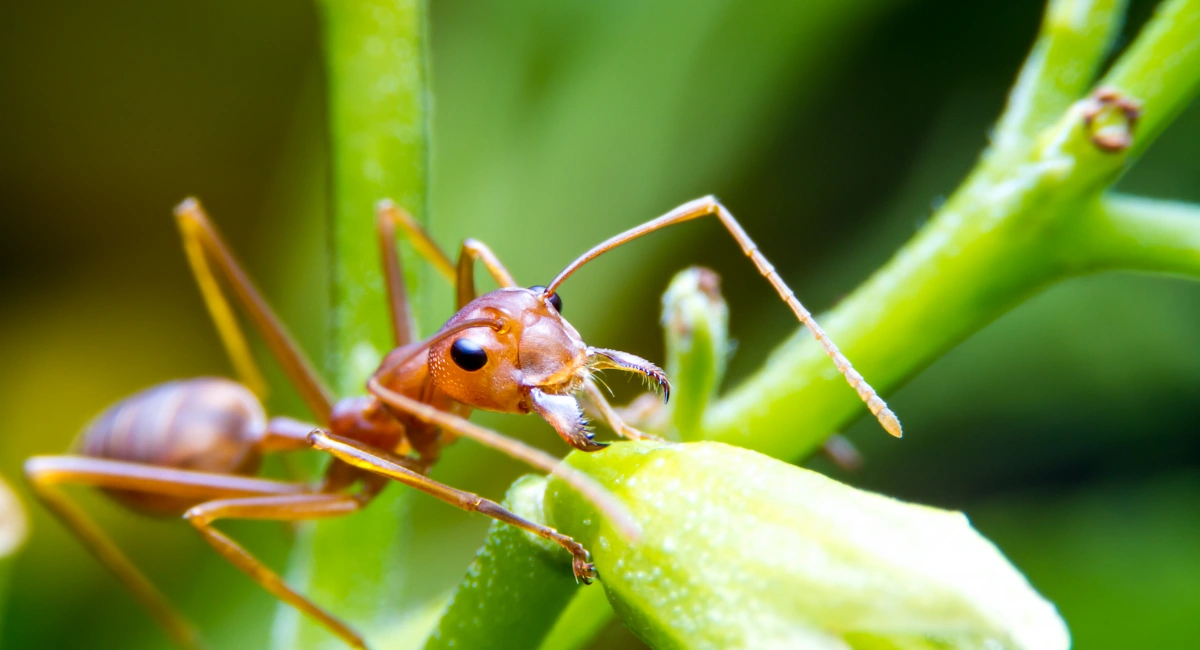
Fire ants are an aggressive stinging species and easily the most notorious. These reddish-brown ants build mounds in sunny areas on lawns, sidewalks, playgrounds, and gardens, and can render entire areas unusable. When a mound is disturbed, fire ants rapidly swarm and sting in unison. The result is a sudden burning sensation followed by raised welts that often turn into white pustules within a day.
For most people, fire ant stings are extremely uncomfortable but manageable. However, their venom can cause dangerous allergic reactions in some individuals, making immediate medical attention necessary when symptoms escalate. Children and pets are at risk because they are more likely to step on or play near mounds without realizing they’re there.
Carpenter Ants: Mild Bites but Serious Home Damage
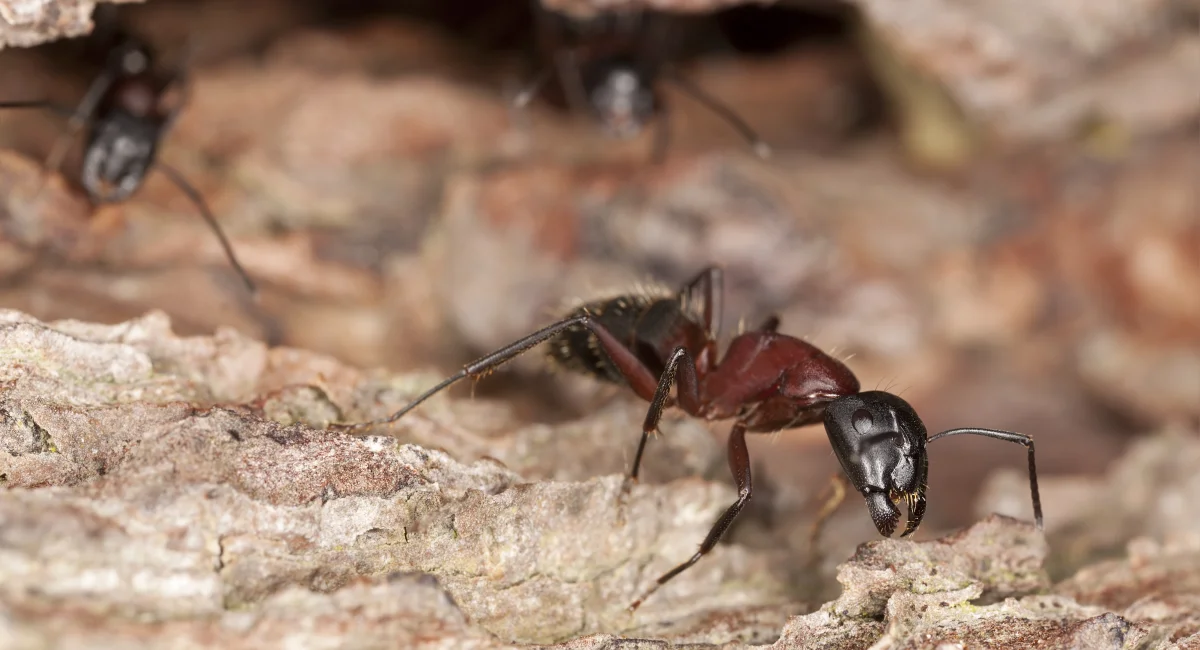
Carpenter ants are large, typically black or reddish ants that excavate moist or damaged wood to create their colonies. While they are not aggressive like fire ants and rarely sting, carpenter ants will bite if they feel cornered or threatened. Their bite can create a noticeable pinch and may burn briefly if formic acid is released onto the skin.
The main concern with carpenter ants isn’t the bite; it’s what you can’t see. They can jeopardize the structural safety of your home, and repairing the damage they cause can be costly. Their tunneling activity weakens wooden structures such as walls, decks, and rooflines. Seeing them indoors is a red flag that moisture damage or compromised wood somewhere in your home needs urgent attention.
Black Ants: Small Biters, Big Nuisance
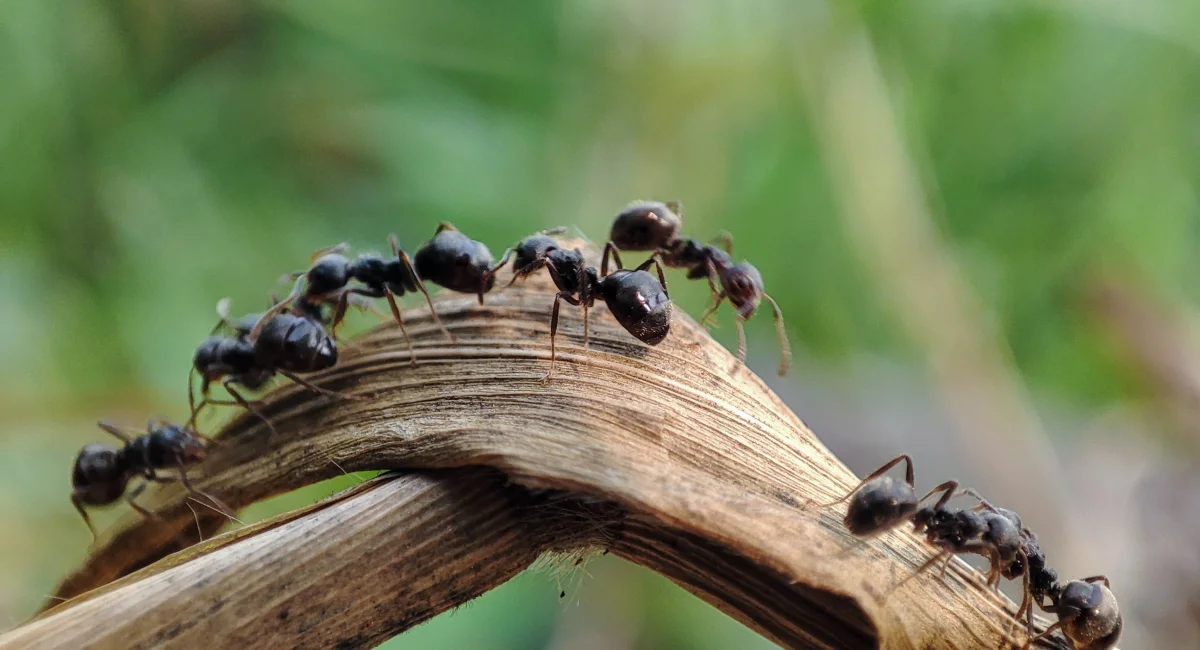
The term ‘black ants’ usually refers to little black ants or pavement ants. These small insects are common house invaders. Their bites are generally mild and may only leave a tiny red bump, but once they find a food source, such as crumbs, unsealed pantry items, sticky spills, or pet food, they’re hard to get rid of and keep coming back.
Although black ant bites don’t normally require treatment, repeat encounters are frustrating and can be unsanitary, especially when they infest kitchens and dining areas during food preparation or meal times. They can contaminate pantries, dishes, and cooking surfaces.
Flying Ants: More Alarm Than Harm
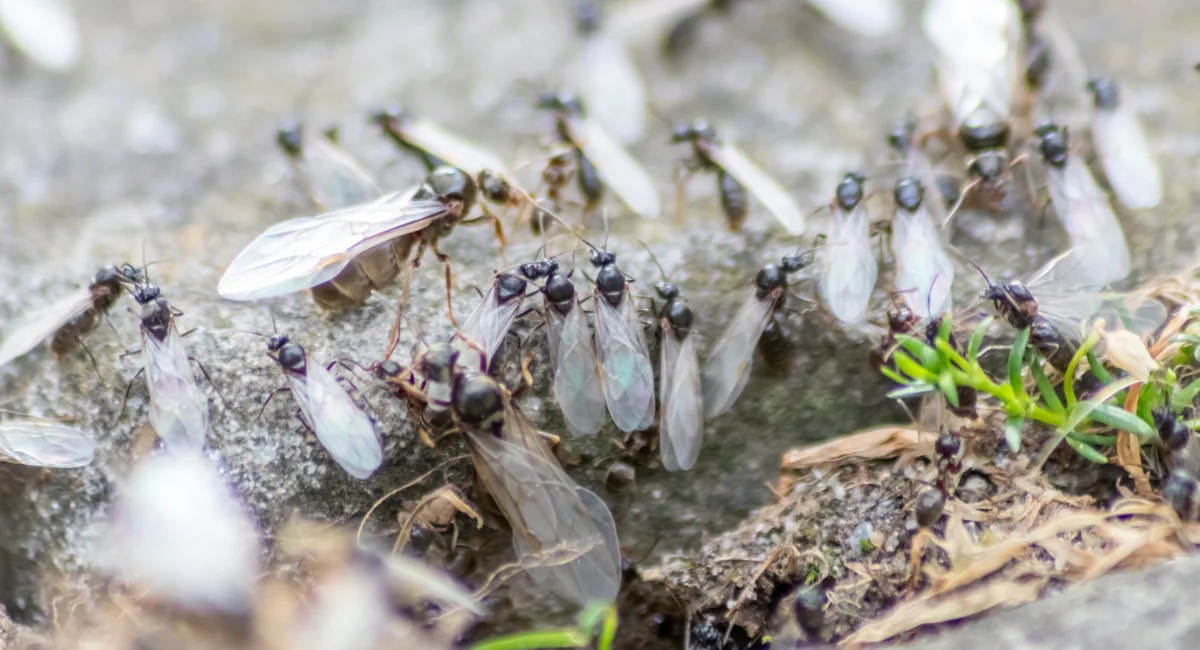
Flying ants are simply the reproductive stage of an ant colony, and while they are capable of biting, they rarely do. Peak season is late spring and summer, and after rain. They swarm in the millions, which can be alarming and indicates a mature and expanding colony somewhere close. That means more nests, more ants, and an increased chance of bites in the future if the infestation isn’t properly managed.
What Ant Bites and Stings Look Like
The reactions you’ll see depend on the species and your personal sensitivity. Fire ant stings typically start with a hot, sharp prick. Within a few hours, they become red, swollen bumps that become pus-filled blisters. Groups of these stings often form a pattern where the ants have climbed up a leg or arm. These wounds are prone to infection if scratched.
Bites from carpenter ants or black ants usually result in a small raised bump. It may itch or sting slightly, but is less likely to blister. These heal quickly as long as they remain clean and untouched.
While most reactions are mild enough to be treated at home, some people experience severe allergic responses to ant venom. Symptoms can include swelling in areas beyond the sting site, dizziness, difficulty breathing, hives, or tightness in the chest or throat. These signs require immediate medical care.
How to Prevent Ant Bites
Even if you don’t mind a stray ant here or there, infestations can quickly escalate. Ants communicate constantly, leaving scent trails to food sources and expanding colonies as they go.
To keep them out, trim back vegetation, clear debris, and avoid excessive layers of mulch that create nesting spots. Firewood and lumber stacked directly against the home provide a pathway for carpenter ants into structural wood, so storing them away from the foundation can make a huge difference.
Food and water are the two biggest attractants for ants, so reducing both is key. Clean up crumbs promptly, seal food properly, fix leaks, and treat damp wood to make your home far less enticing.
Crucially, ensure children and pets are supervised in areas prone to ants. Teaching kids to avoid ant mounds, providing pets with elevated food bowls, and checking toys or outdoor gear before use can all prevent accidental bites.
How Gregory Pest Solutions Can Help
When ants are biting, stinging, or showing up inside, it might be time to defer to professionals with local knowledge of species and colony removal. Gregory Pest Solutions provides ant control services tailored to the needs of North and South Carolina homeowners, targeting active ant populations and repeat trouble spots.
Our trained technicians will determine which species you’re dealing with, where they nest, and how they enter your home. From there, we create a customized treatment plan that may include baiting, nest treatment, and protective exterior barriers to block entry. When carpenter ants are involved, we evaluate potential moisture issues or wood damage and recommend repairs to prevent a fresh outbreak.
Because ant colonies can quickly bounce back, we offer ongoing monitoring options so you can feel confident that bites, stings, and property damage won’t return. We aim to give you back full use of your yard and home, without worrying about what might be crawling under the grass or behind the walls.
If you need professional help with an ant infestation, schedule your free inspection today, and protect your property.
Book Your Free Pest Inspection Today
Our local technicians will assess your property and recommend tailored solutions. Fast, friendly, and completely obligation-free.
- Safe, targeted treatments
- Local experts, fast response
- Trusted, trained technicians