© 2026 Rentokil North America © Gregory Pest Solutions – All Rights Reserved.
Many homeowners want to know about ways to deter ant activity without relying on harsh products. The good news is that several household ingredients can help disrupt trails and reduce foraging indoors. Natural home remedies for ants have their limitations, but they can play a valuable role when used alongside other prevention methods and professional support.
Can You Really Get Rid of Ants Naturally?
Natural remedies can deter pests, make your kitchen less attractive to ants, and even reduce colony strength when used correctly. What they typically cannot do is eliminate an entrenched colony hiding in wall voids or damp structural wood. Setting the right expectation helps you use these tools effectively. Think of natural methods as a way to disrupt communication and access as you remove moisture and food sources.
How Natural Ant Remedies Work to Disrupt Colonies
Ants navigate with scent. When scouts (the ants responsible for finding food) discover a resource, they mark the route so that others can follow. Natural acids, strong botanical oils, and certain minerals can interfere with these scent pathways or create conditions ants avoid.
Some ingredients act as desiccants, damaging the protective outer layer of insects. Others act as slow-release baits that workers carry back and share among the colony. Used in the right locations and refreshed regularly, these approaches reduce trail formation and make your home less appealing to the colony.
Best Natural Remedies to Get Rid of Ants at Home
Vinegar and Citrus Sprays to Erase Scent Trails
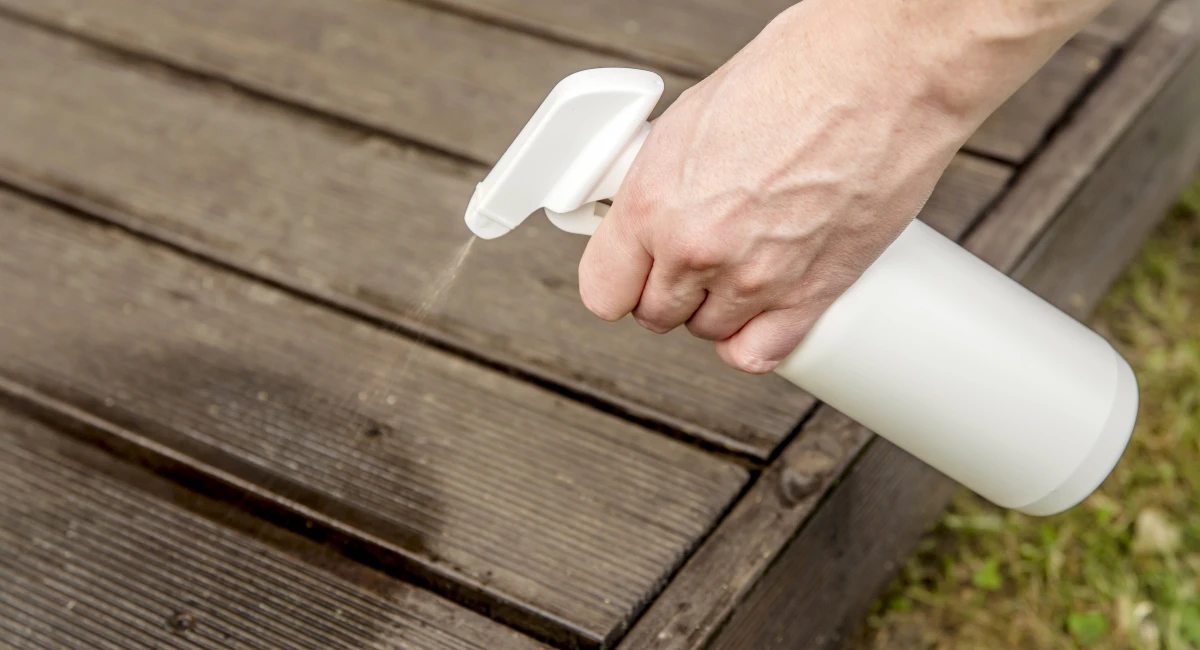
A simple spray of equal parts white vinegar and water helps wipe out the invisible cues that guide ants to food. Use it on countertops, baseboards, and along floor edges where trails appear. Citrus works similarly. Fresh lemon juice in water leaves an acidic film that ants dislike. Applying these solutions after meals and again before bed is an effective routine to prevent overnight foraging.
Essential Oils That Repel Ants Naturally
Peppermint, tea tree, eucalyptus, and clove oils contain compounds that disrupt ant communication. Add a few drops to water in a spray bottle and apply along window sills, door frames, and cabinet edges. Cotton balls with a drop or two of oil can be placed near problem areas, such as the back of the pantry or under the sink. Reapply frequently, as natural scents tend to dissipate over time.

Boric Acid and Sugar Bait for Hidden Colonies
A mixture of boric acid with sugar water or honey can serve as a slow-acting bait. Workers collect the sweet solution and carry it back to share with the colony. Apply small amounts on shallow pieces of foil or bottle caps near trails but out of reach of children and pets. Patience matters here. Because the active ingredient works slowly, it allows time for transfer to the queen and developing brood.
Diatomaceous Earth for Ant Control in Cracks and Crevices
Food-grade diatomaceous earth is a mineral dust that can be applied in a thin line along baseboards, around appliance feet, or into narrow gaps where ants travel. It physically damages the insect's outer layer, wearing down its protective coating until it dehydrates. Keep applications dry and very light so ants are likely to walk through them. Avoid applying in areas where it could be disturbed during cooking or cleaning.
When to Call the Professionals
Home remedies can buy you some respite from ants, but if they keep coming back, it's usually a sign the problem runs deeper. That's your cue to bring in the professionals.
For decades, Gregory Pest Solutions has helped homeowners across North and South Carolina reclaim their kitchens from ants of all kinds. We know how local species behave and tailor every treatment to your home. Whatever ant problem you're facing, we'll track it back to its source and stop it from spreading. Reach out today to find out how we can help and discuss next steps.
Book Your Free Pest Inspection Today
Our local technicians will assess your property and recommend tailored solutions. Fast, friendly, and completely obligation-free.
- Safe, targeted treatments
- Local experts, fast response
- Trusted, trained technicians