© 2026 Rentokil North America © Gregory Pest Solutions – All Rights Reserved.
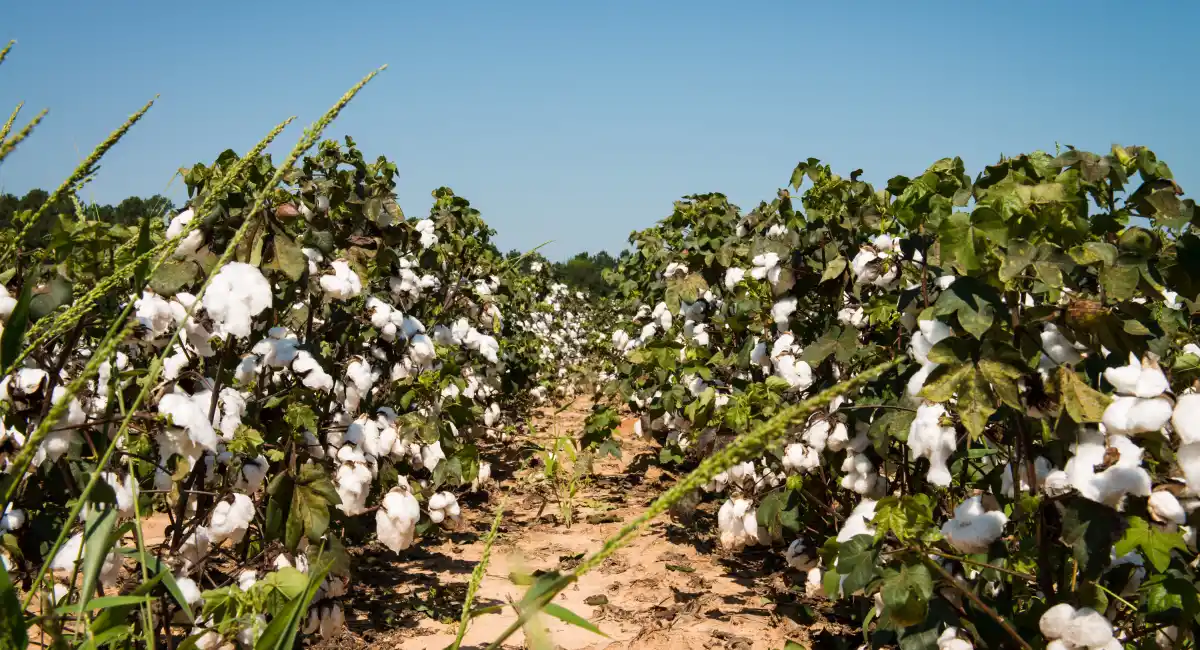
For food and beverage processors across the Carolinas, October can bring a sharp rise in rodent pressure. Harvesting removes crops and ground cover, while land clearing disrupts nesting areas and travel routes. Rodents then move in search of new sources of food, water, and shelter.
Processing plants near farmland, drainage routes, overgrown lots, or construction sites may be affected first. The increase often begins outside the facility, where exterior monitoring can provide early signs of movement.
Because this risk follows a seasonal pattern, facilities have an opportunity to act early. Monitoring data, local harvest activity, and past trends can help teams prepare before rodents reach loading docks, receiving areas, or the building exterior.
Use Local Activity As An Early Warning
Harvest dates and nearby land activity can help facilities predict when rodent pressure may rise. Tracking local schedules across the Carolinas adds useful context to exterior monitoring results.
Resources such as USDA’s North Carolina Crop Progress and Condition reports provide regional harvest updates, while neighboring landowners and municipal project notices can help teams confirm activity closer to their boundaries.
Food safety and facilities teams should pay attention to:
- Local crop harvesting and field-clearing schedules near the property
- Timber harvesting on neighboring land
- Mowing or removal of dense vegetation
- Municipal construction projects, grading, or excavation near facility boundaries
- Changes in drainage areas or neighboring waste practices
- Past increases in rodent activity during the fall
These factors can help explain why activity rises in one area of the site before another. For example, increased activity along a boundary near a recently cleared field may signal a wider shift in the local rodent population rather than a one-off incident.
A site-specific commercial pest management program can use this information to adjust service and monitoring as conditions change.
Look For Trends, Not Just Individual Findings
An exterior device showing activity is important, but a single result does not necessarily tell the whole story. The location, timing, and frequency of findings can reveal whether rodents are moving toward the facility.
Comparing current catch rates against past harvest seasons helps you spot high-risk entry routes before pests cross your threshold. A steady increase along a particular property line will highlight the route pests are migrating and where your facility's weak spot is. When trend data shows activity shifting toward loading docks, QA teams can immediately reinforce those specific zones instead of treating the whole facility the same way. Exterior rodent monitoring can therefore support forward planning, helping teams identify emerging activity patterns before rodents move closer.
Clear trend data also helps teams direct time and resources toward the areas facing the most pressure. This supports a more focused response than treating every part of the property in the same way.
Give Loading and Receiving Areas Added Attention
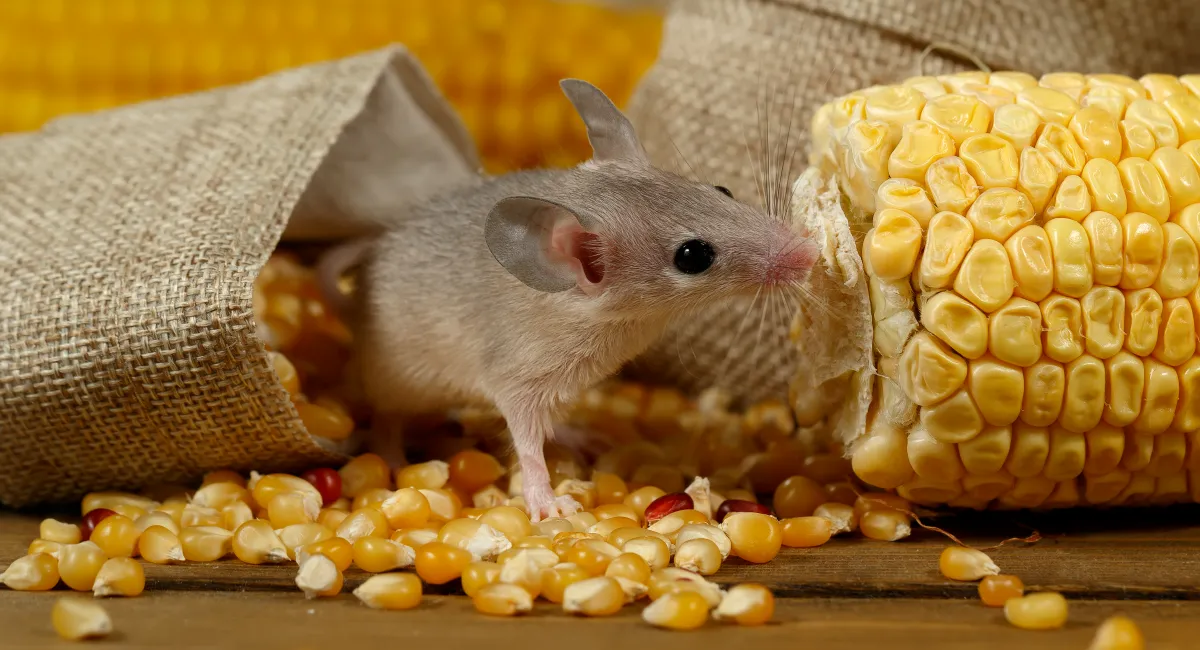
Loading docks and receiving areas are key points of contact between a facility and the outdoors. With doors opening throughout the day, trailers arriving and departing, and ingredients, packaging, and waste moving through these areas, opportunities for pest entry are difficult to avoid entirely.
These routine operations require closer attention when exterior rodent pressure rises. Doors left open longer than necessary can increase the risk, while spilled materials, standing water, idle equipment, and stored pallets may provide food, water, or cover near the building.
Practical steps during the harvest period may include:
- Reviewing door-opening practices with dock teams
- Increasing checks during quiet shifts and overnight periods
- Removing spills and waste without delay
- Keeping stored materials organized and away from exterior walls
- Sharing exterior activity trends with receiving and sanitation teams
Connect Seasonal Monitoring With Audit Readiness
In a regulated food environment, audit readiness requires clear evidence that risks are identified and managed effectively. Pest management records should not simply document routine service visits; they should also demonstrate how the program adapts when conditions at or around the facility change.
Harvest-related records may include exterior monitoring results, notes on nearby land activity, areas of rising pressure, changes in inspection frequency, and follow-up findings. Together, these records show that the facility recognized a seasonal risk and took appropriate action.
This is important because rodent activity can threaten product integrity and food safety:
- Under GFSI-recognized certification programs such as SQF, seasonal activity spikes that go unrecorded, or repeated findings without a documented response, can lead to nonconformances against pest management requirements.
- AIB International inspections also assess pest management records and responses to findings, with deficiencies that can affect the inspection score.
Gregory’s food safety audit protection services support the documentation and trend analysis needed to demonstrate proactive pest management.
Build Harvest Season into Your Annual Plan
Rodent pressure is not the same for every food processing plant. A site next to active farmland may face different risks from one near a rail corridor, wooded area, or construction project. As such, facilities should use historical monitoring data to establish their specific seasonal baseline.
Translating these trends into an actionable annual plan ensures risks are contained at the perimeter before interior food safety is threatened. An effective plan should include:
- A scheduled pre-harvest review: Establish a fixed calendar window, such as August 1–15, to evaluate site readiness approximately 30 days before regional harvesting or land clearing begins.
- Defined inspection access: Maintain an 18-inch interior perimeter ("white line") along dock and warehouse walls, aligned with AIB’s storage-spacing guidance, to keep inspection routes unobstructed and pest evidence immediately visible.
- Targeted monitoring layout: Reassess device density with your provider. Rather than applying uniform spacing, tighten intervals to 30–50 feet along vulnerable property lines and receiving aprons as an active risk-reduction measure.
- Predetermined escalation thresholds: Set clear activity triggers, such as a 15–20% surge in exterior catches over a two-week span, that automatically initiate daily dock inspections and root-cause analysis.
- Defined operational ownership: Assign dedicated responsibility for dock audits, maintenance work orders, escalation sign-offs, and an annual post-season review to refine the program for subsequent years.
A tailored food and beverage processing pest management program accounts for surrounding environmental pressures while safeguarding audit compliance, brand reputation, and uninterrupted production.
Prepare Before Pressure Reaches the Plant
As the season progresses, facilities should focus on what current monitoring data reveals about rodent pressure around the site. Reviewing activity patterns, increasing oversight in higher-risk areas, and keeping dock teams informed can help prevent exterior activity from affecting indoor operations.
Gregory Pest Solutions can help your team assess seasonal patterns and ensure your pest management program reflects the changing conditions around your facility.
Gregory Pest Solutions can help you assess changing rodent activity around your food processing facility and adapt your pest management program before external pressures affect operations. Contact our team to discuss your site’s seasonal risk.
Book Your Free Pest Inspection Today
Our local technicians will assess your property and recommend tailored solutions. Fast, friendly, and completely obligation-free.
- Safe, targeted treatments
- Local experts, fast response
- Trusted, trained technicians