© 2026 Rentokil North America © Gregory Pest Solutions – All Rights Reserved.
In food processing environments, pest control is often treated as a routine operational expense. Services are scheduled, issues are addressed as they arise, and compliance boxes are checked. On the surface, this approach appears practical and cost-controlled.
However, many food processing facilities find themselves dealing with repeat issues in the same zones. Rodent activity returns along the same wall lines, insects reappear in familiar production areas, and service frequency increases, yet outcomes remain inconsistent. However, it often masks a cycle of "triple-spending": paying for the service, paying for the labor to manage the cleanup, and paying for the lost production time.
The true cost of reactive pest control is rarely captured in a single invoice. It accumulates quietly through repeat treatments, operational disruption, audit pressure, and increased contamination risk. Understanding these hidden costs is the first step toward a more effective and financially sound approach.
Why Reactive Pest Control Becomes The Default
Reactive pest control often develops unintentionally. Facilities respond to what they can see. A rodent sighting triggers additional trapping. An insect issue leads to targeted treatment and cleaning. When activity subsides, attention shifts back to production priorities.
This cycle feels manageable in the short term. The issue appears resolved, and operations continue. However, reactive approaches focus on symptoms rather than causes. Structural gaps, access points, and environmental drivers remain unaddressed, allowing pest pressure to rebuild.
This often means facilities become locked into a pattern of repeat response that consumes resources without delivering long-term stability.
The Operational Costs That Rarely Show Up on Reports
The financial impact of reactive pest control extends beyond service fees. Each repeat issue carries operational consequences that are often absorbed across departments.
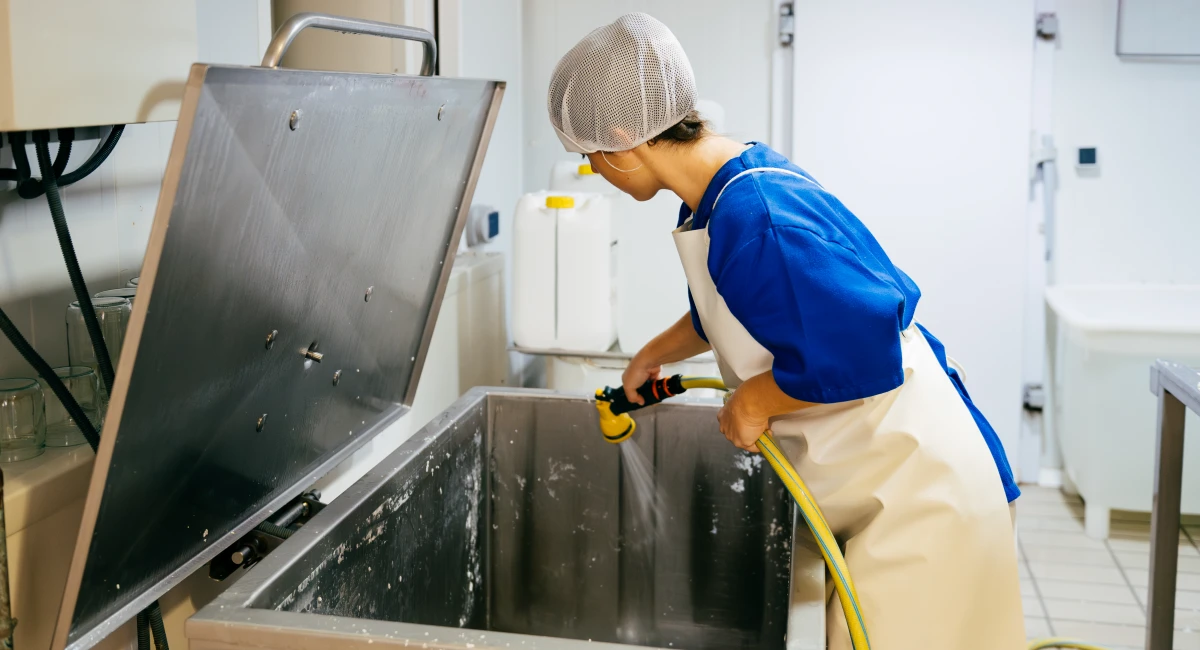
These include production slowdowns during investigations, increased sanitation requirements, and diverted staff time. Maintenance teams are pulled into urgent repairs. QA teams spend additional hours documenting corrective actions and preparing audit responses.
Individually, these disruptions may seem minor. Collectively, they represent a significant operational burden that grows with each recurring issue.
How Repeat Pest Issues Increase Contamination Risk
In food processing environments, recurring pest activity increases the likelihood of contamination events. Even when the product is not directly affected, the presence of pests in sensitive zones increases exposure risk.
Repeated activity along floor-wall junctions, behind equipment, or near ingredient storage areas suggests ongoing access points or harborage. Each reappearance raises the probability of pests moving closer to product contact surfaces. In a reactive model, you aren't just managing a pest; you are managing the statistical odds of a recall. Every repeat sighting in a sensitive zone is a "near-miss" that consumes QA resources and increases the likelihood of a catastrophic brand event.
The Audit and Compliance Implications of Repeat Activity
Auditors look for patterns. Modern audits like SQF or BRCGS prioritize trend analysis. A single pest finding with a clear corrective action is often manageable; however, repeat findings in the same locations raise questions about root-cause control.
Facilities relying on reactive responses may find themselves documenting the same issues across multiple audits. When an auditor sees the same corrective action for the same wall-line three months in a row, it signals a failure in the facility's Preventive Controls. This can lead to increased scrutiny, additional documentation requirements, and non-conformances that are far more expensive to remediate than a simple repair.
Why Treatment Alone Rarely Delivers Long-Term Control
Pest treatments are designed to address active populations. They are not intended to correct structural or environmental conditions that allow pests to enter and survive.
In food processing facilities, common drivers of repeat activity include unsealed penetrations, degraded door sweeps, expansion joint gaps, and inaccessible voids behind equipment. These conditions remain in place regardless of how often treatment is applied.
As long as access points and harborage exist, pests will continue to exploit them. Treatment becomes a recurring expense rather than a solution.
The Role of Pest Exclusion In Reducing Long-Term Costs
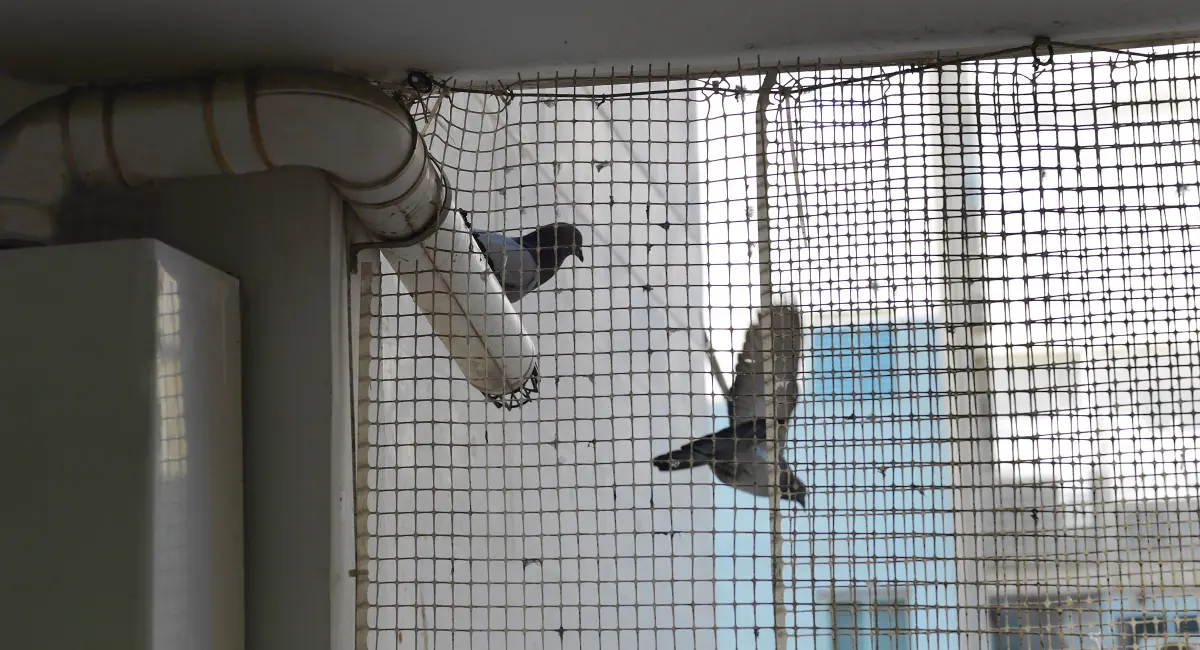
Pest exclusion focuses on preventing pests from entering and establishing in the first place. This includes sealing structural gaps, reinforcing vulnerable entry points, and modifying conditions that support harborage.
While exclusion work may require upfront investment, it directly addresses the root causes of recurring activity. Once access points are closed and risk areas corrected, reliance on repeated treatments is reduced.
For many food processing facilities, this shift results in fewer service escalations, more predictable outcomes, and lower total pest management costs.
Understanding the Return on Investment of Pest Proofing
The return on pest proofing is not limited to reduced pest sightings. It includes operational stability, improved audit outcomes, and reduced internal disruption.
Facilities that invest in exclusion often experience fewer emergency responses, lower corrective action workloads, and greater confidence during inspections. Gradually, the cost of exclusion is offset by savings in service frequency, labor hours, and avoided production impacts.
From a financial perspective, proactive exclusion transforms pest control from a recurring expense into a risk reduction strategy with measurable value.
When Proactive Exclusion Delivers The Greatest Value
Pest proofing delivers the strongest return in facilities experiencing repeat activity in the same zones, increasing service frequency, or growing audit pressure related to pest findings.
It is particularly effective in older buildings, high-traffic facilities, and environments with frequent ingredient movement. In these settings, structural vulnerabilities tend to compound over time unless addressed directly.
Identifying these patterns early allows facilities to intervene before reactive costs continue to escalate.
Partnering With Gregory Pest Solutions
Reactive pest control often feels unavoidable until its true cost becomes clear. Repeat issues, rising service needs, and ongoing risk exposure signal the need for a different approach.
Gregory Pest Solutions partners with food processing facilities to shift pest management from reaction to prevention. By identifying exclusion opportunities, addressing structural vulnerabilities, and aligning pest strategies with operational realities, we help facilities reduce long-term costs and strengthen food safety performance.
Proactive pest proofing is not just a maintenance decision. It is an investment in operational consistency, audit readiness, and long-term protection. Contact Gregory Pest Solutions today.
Book Your Free Pest Inspection Today
Our local technicians will assess your property and recommend tailored solutions. Fast, friendly, and completely obligation-free.
- Safe, targeted treatments
- Local experts, fast response
- Trusted, trained technicians