© 2026 Rentokil North America © Gregory Pest Solutions – All Rights Reserved.
Spring brings warmth, sunshine, and… biting mosquitoes.
Mosquitoes typically start appearing in North and South Carolina around March and stick around for as long as the weather stays warm.
South Carolina and other southern states, in particular, have long mosquito seasons with increased risk of mosquito-borne illnesses like West Nile virus. Gregory Pest is proud to be a government partner helping to reduce mosquito populations and keep families safe from the many diseases.
Read about how you can reduce spring mosquitoes before they grow into an oppressive season-long nuisance.
Understanding Early Spring Mosquito Activity
Overwintering adult female mosquitoes start emerging from dormancy in the spring as temperatures consistently rise over 50°F. They then seek humans and animals for their first blood meals to help their egg production.
At the same time, dormant mosquito eggs, submerged by spring rains, start hatching in stagnant water pools created by seasonal rain and melting snow. So spring is the starting gun of rapid population growth.
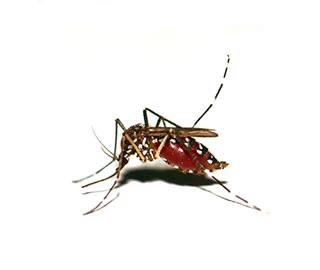
Mosquito Life Cycle and Overwintering Habits
Mosquitoes only need ½ an inch of standing water to reproduce. After enjoying a blood meal, females lay their eggs in still water. These mosquito eggs hatch into larvae that pupate into adults after 1 to 2 weeks, depending on the temperature. Warmer temperatures mean faster life cycles.
They overwinter in two ways. Some adult females enter a state of dormancy and shelter in hollow trees, urban woodlots, and stagnant drains. Others lay cold-resistant eggs in moist soil. Species such as Anopheles and Culex typically survive as sluggish adults, while species like Aedes survive as embryos that hatch when spring rains and warmer temperatures arrive. This strategy allows mosquitoes to survive the colder Carolina months and quickly repopulate once temperatures consistently exceed 50°F.
How Long Do Mosquitoes Live?
Male mosquitoes mate quickly after hatching and then die within 7 to 10 days. They never bite humans or other animals.
Female mosquitoes live 1 to 2 months. They mate only once, but lay eggs in batches of up to 100. They bite humans and animals, causing a great deal of itching and discomfort.
Spring Mosquito Control and Health Risks
As spring temperatures rise across the Carolinas, so does mosquito activity and the risk of disease transmission. Mosquitoes are known carriers of Zika virus, Dengue fever, and West Nile virus, which can all lead to serious illness that can escalate quickly, so early awareness and prevention are essential:
- West Nile virus can cause symptoms ranging from fever, headache, and body aches to brain inflammation
- Dengue fever is often marked by high fever, intense joint and muscle pain, and severe headaches
- Zika virus often causes only mild symptoms in adults, but it can be a serious threat to pregnant women due to the risk of severe birth defects
Professional mosquito management can help reduce populations before they become established around homes and businesses.
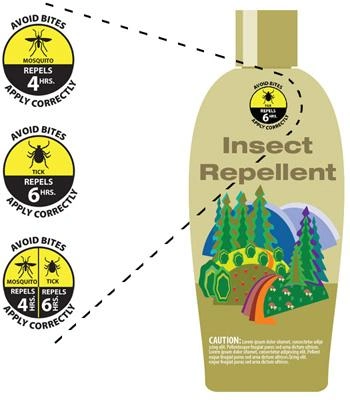
This EPA diagram shows three graphics you may see on a product label
telling you if it repels mosquitoes, ticks, or both.
Proactive Spring Mosquito Control Methods
Whether you’re at home or out camping, you’ll want to keep mosquitoes at bay. Here’s how you can both deter mosquitoes and protect yourself:
- Eliminate standing water: Mosquitoes love standing water, so dump water out of flower pots, birdbaths, kids’ toys, and plastic tarps
- Clean your gutters: Mosquitoes can breed in ½ an inch of water, so removing every drop helps stop them from spreading
- Stay inside at dawn and dusk: that’s when mosquitoes are most active
- Wear insect repellent containing DEET, IR3535, oil of lemon eucalyptus, or Picaridin
- Protect your skin: wear long pants, long-sleeved shirts, and closed-toed shoes
- Going camping? Put mosquito netting over the mouth of your tent or over the top of your hammock
- Put a bat house in your yard: Bats are voracious eaters of mosquitoes, so they can help reduce the population
- Grow mosquito-repellent plants like citronella, geranium, eucalyptus, or lemongrass
- Partner with a professional pest control company. They can help rid your yard of unwanted mosquitoes by treating the places where they hide
How to Keep Mosquitoes Away From Your Yard and Patio
We want you, your family, and your friends to shoot hoops and enjoy cookouts without the buzzing and biting worry. So if you’ve tried the DIY solutions and still have mosquitoes, then it’s time to call in the experts.
Professional-grade sprays are far more effective than DIY, shop-bought versions. In areas where standing water is a problem, we apply advanced larvicides that disrupt the mosquito life cycle, eliminating larvae before they reach maturity. This approach is both more effective and longer-lasting than over-the-counter treatments.
Get Help Keeping Mosquitoes Away This Spring
Mosquitoes are a menace. They can also cause severe illness. So, when you want to get serious about mosquito control in early spring, call Gregory’s Pest Solutions. We’ve been helping Carolina residents with their mosquito problems for over 50 years. Our experts offer spring mosquito control services to effectively protect outdoor spaces and support a more comfortable, healthier environment throughout the season.
Get in touch for a consultation or to learn more about mosquito spray for your yard.
Frequently Asked Questions
Mosquitoes typically become active when outdoor temperatures consistently reach 50°F or higher. That’s when hibernating females emerge from their dormant state, and dormant mosquito eggs begin the hatching process.
Early spring. Ideally, once temperatures stay above 50°F for several consecutive days. By starting early, you can target the first cycle of emerging larvae and adults before they begin their rapid reproductive cycles.
Yes. Heavy spring rains can wash away topical barrier sprays or dilute liquid larvicides, so they need to be reapplied to remain effective. Frequent rainfall creates new stagnant pools: if they’re not drained or properly treated, they can become breeding sites for rapid growth.
Book Your Free Pest Inspection Today
Our local technicians will assess your property and recommend tailored solutions. Fast, friendly, and completely obligation-free.
- Safe, targeted treatments
- Local experts, fast response
- Trusted, trained technicians