© 2026 Rentokil North America © Gregory Pest Solutions – All Rights Reserved.
West Nile virus is usually spread to people from the bite of an infected mosquito, during the mosquito season, typically June through October.
This article provides useful information about West Nile virus mosquitoes, how to protect yourself and what the virus symptoms are if you do get a West Nile virus mosquito bite and catch it.
At Gregory Pest Solutions, our smart mosquito control services help protect your home and your business from mosquitos, so your cook outs, pool parties and work can carry on as normal.
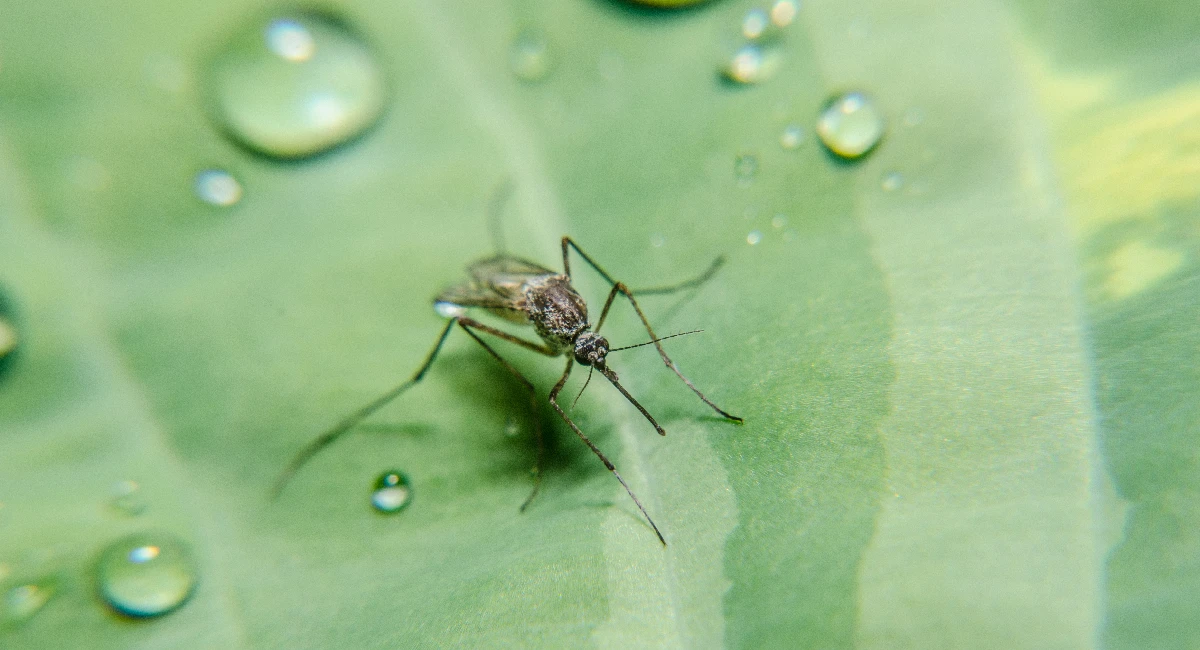
What Is West Nile Virus and How Does It Spread?
West Nile is a virus that belongs to a group of viruses called flaviviruses. How do mosquitoes get West Nile? Well, while it’s spread by mosquitos, it originates in birds—usually crows or jays—but at least 110 other bird species can also carry the virus. Those birds act as “amplifiers.” This means high levels of the virus can amplify or develop in their blood stream.
Humans and other mammals that become infected with West Nile virus are known as “dead end” hosts. This means they can’t develop high levels of the virus in their blood stream: we only have low levels. So the mosquito can’t spread the virus by biting an infected human. It can only be spread by a mosquito biting an infected bird and then transmitting it to humans or other mammals.
Human-to-human spreading of West Nile virus is rare and only by blood transfusions, organ transplants and mothers to babies.
What Mosquito Carries West Nile in the Carolinas?
While West Nile Virus was discovered in Uganda in 1937, it is less clear how it came to the US in 1999. Some suspect it was an errant, infected bird who landed on our soil bringing the virus with it. Others believe it was a stow away mosquito. No one knows for sure.
But we do know that in North and South Carolina, West Nile virus is spread mainly by Culex mosquitoes—especially the southern house mosquito (Culex quinquefasciatus). It can also be spread by other Culex species including the northern house mosquito (Culex pipiens, part of the Culex pipiens complex).
Identifying West Nile Virus Mosquito Bite Symptoms
It’s important to understand the mild and serious virus symptoms from a West Nile mosquito bite. If you are in any doubt, contact a medical professional.
West Nile virus is the leading cause of mosquito-borne disease in the United States. An estimated 2,000 people in the United States are diagnosed with West Nile each year, usually peaking in August and early September.
While most develop either no or mild symptoms from a West Nile mosquito bite, over 1,300 people develop severe illness affecting their central nervous system and causes death in approximately 130 people a year. Since 1999, there have been over 51,000 cases with West Nile bite symptoms in the U.S.
Mild Signs of Nile Fever Mosquito Infections
No symptoms: According to the Centers of Disease Control and Prevention, most people who get West Nile Virus are “asymptomatic”. This means they don’t develop any symptoms and don’t know they even have the virus.
Mild symptoms: About 1 in 5 people develop mild illness with flu-like symptoms, sometimes called West Nile fever:
- Fever
- Headache
- Body aches
- Joint pain
- Vomiting
- Diarrhea
- Rash
While most people with mild illness symptoms recover completely in a few weeks, their fatigue and weakness can last for months. Mosquitoes carrying West Nile Virus can also carry meningitis.
Severe Symptoms and Complications
A few will suffer from serious side effects such as swelling of the brain from meningitis (inflammation of the spinal cord and the lining of the brain; or encephalitis (encephalitis (inflammation of the brain). Unfortunately, there is no vaccine or prescribed treatment for this West Nile Virus disease. Seek immediate medical attention if you experience:
- High fever
- Neck stiffness
- Muscle weakness
- Confusion
- Tremors
Less than 1% of people infected will develop serious side effects. Of those, West Nile is fatal in about 10%. The CDC advise you to contact a medical professional if you experience any of these symptoms:
- High fever
- Headache
- Neck stiffness
- Coma
- Tremors
- Convulsions
- Sore throat
- Swollen lymph nodes
- Muscle weakness
- Vision loss
- Numbness
- Paralysis
How to Protect Yourself from West Nile Mosquitoes
There are no licensed vaccines or medicines available to prevent West Nile virus disease in humans. So the best way to protect yourself and your family is to prevent bites from a West Nile virus mosquito:
- Use Environmental Protection Agency (EPA)-registered insect repellents
- Use DEET, picaridin, IR3535, or oil of lemon eucalyptus to repel mosquitoes
- Wear light coloured, loose-fitting, long-sleeved shirts and long pants, plus close-toed shoes
- Keep doors shut and repair window and door screens
- Avoid being outside between dusk and dawn
- Use screens on windows and doors or air conditioning
- Unclog drains and ditches, remove neglected water containers
- Apply mosquito dunks or larvicides to small areas of standing water
Gregory Mosquito Control Services
At Gregory Pest Solutions our team of licensed professionals specialize in mosquito control throughout North and South Carolina. For over five decades, we have eradicated and deterred mosquitoes for residential and business environments, and our expertise has earned us the South Carolina State Term Contract.
Residential Mosquito Treatment
At Gregory Pest Solutions our experts believe you deserve a buzz-free lifestyle. Leveraging our deep industry knowledge, we develop bespoke, proven residential mosquito control plans with continuous extermination and prevention so these pests stay away for good.
Commercial Mosquito Treatment
To help your business remain customer-ready and operational, Gregory Pest Solutions provides rapid, high-impact commercial mosquito control throughout the Carolinas. Our expert-led, professional-grade treatments are specifically engineered to safeguard your brand while protecting your staff, clients, and partners.
If you’re noticing skeeters around your property, Gregory’s residential pest specialists can help assess the situation and determine the right course of action before it grows into a big problem.
Frequently Asked Questions About West Nile Virus
West Nile virus is present in both North Carolina and South Carolina during most summers, but human illness is usually reported in small numbers, not as widespread outbreaks.
West Nile virus mosquitoes rest in cool, shaded, humid, protected places, such as dense vegetation, in garages, sheds, barns, and basements etc., plus under eaves, decks, porches and crawlspaces and sometimes in closets and behind furniture.
Yes. For horses, it can be a serious disease: a vaccine is recommended in endemic areas.
Dogs and cats can be infected, but illness is rare and most don’t get noticeably sick. Pet birds can be affected, though risk depends on exposure. Contact a vet If your pet develops sudden weakness, trouble walking, tremors, fever, or seizures.
Bird deaths can be an early warning sign of West Nile virus activity. Reports of dead birds help public health officials to detect and map where the virus may be increasing; to target mosquito surveillance and control; and to warn residents to take bite-prevention steps.
Book Your Free Pest Inspection Today
Our local technicians will assess your property and recommend tailored solutions. Fast, friendly, and completely obligation-free.
- Safe, targeted treatments
- Local experts, fast response
- Trusted, trained technicians