© 2026 Rentokil North America © Gregory Pest Solutions – All Rights Reserved.
Noticing more spiders around the house lately? If you're in North or South Carolina, you're not imagining it. Late summer brings a wave of indoor spider sightings—along cellar walls, in garage corners, and drifting across ceilings after dark. It's one of the most common questions homeowners ask this time of year, and the honest answer is that a seasonal uptick is completely normal.
Thankfully, the vast majority of spiders in Carolina homes are harmless, and many actually work in your favor by eating other pests. The trick is knowing how to tell an ordinary late-summer sighting from a genuine warning sign—and understanding what a sudden surge of spiders might really be telling you about your home.
Why Spiders Bother Us in the First Place
Few household visitors trigger a reaction quite like a spider. That "fight or flight" instinct when spotting a spider is completely natural. This innate fear of spiders is a widespread phobia and often makes them seem far more threatening than they really are. In reality, the odds of finding a genuinely dangerous spider in your home are low.
What's Driving the Late-Summer Surge
Spiders don't wander indoors at random; they are either genuine house spiders that never leave or spiders that instinctively enter homes in search of food and water. The Carolina climate in August and September creates ideal conditions for an insect population boom, and where insects go, spiders naturally follow.
Late summer also coincides with the mating season for many local species. That sends males out of their usual hiding spots to roam for a mate, which is exactly why you suddenly spot them out in the open on walls, floors, and ceilings. Add in the lingering heat and humidity, along with the first cooler evenings of the season, and your home starts to look like a great place to bed down and breed.
What Counts as "Normal"
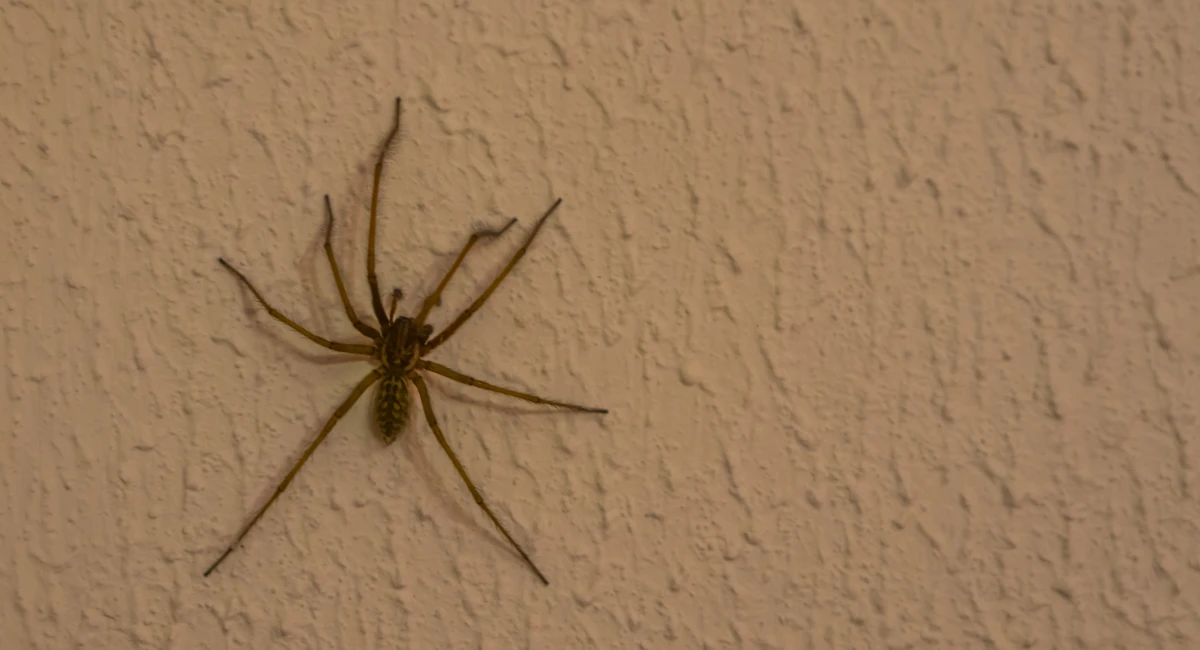
A slight increase in spider activity right now is nothing to worry about. The slightly bulbous orb weaver is particularly unnerving for homeowners, but it typically remains outside. In contrast, common house spiders and cellar spiders are well adapted to living alongside humans, and are almost certainly the culprits you find indoors.
- Common house spiders — small and unassuming, they build modest, tangled webs in ceiling corners, window frames, and quiet storage areas. Their coloring is typically dull brown or grey, which helps them blend into the background. If a web appears overnight in an out-of-the-way corner, this is usually who's behind it.
- Cellar spiders — often mistaken for daddy longlegs, they have long, delicate legs and build loose, irregular webs in dark, humid spaces like basements, garages, and crawlspaces. They're completely harmless to people and prey on other spiders and insects, making them a useful, if unnerving, houseguest.
- Orb weavers — the artists of the group, they spin the neat, symmetrical, wheel-shaped webs you'll often spot near exterior lights, doorways, window frames, and porches. Many rebuild their webs each evening to catch the insects drawn to your lights after dark, then disappear during the day.
When these spiders keep to the edges of your home and stay out of high-traffic living areas, it's simply part of the season's natural rhythm. They're far more interested in catching dinner than in crossing your path—and their presence often means they're managing other pests for you behind the scenes.
What's Not Normal: When to Pay Attention
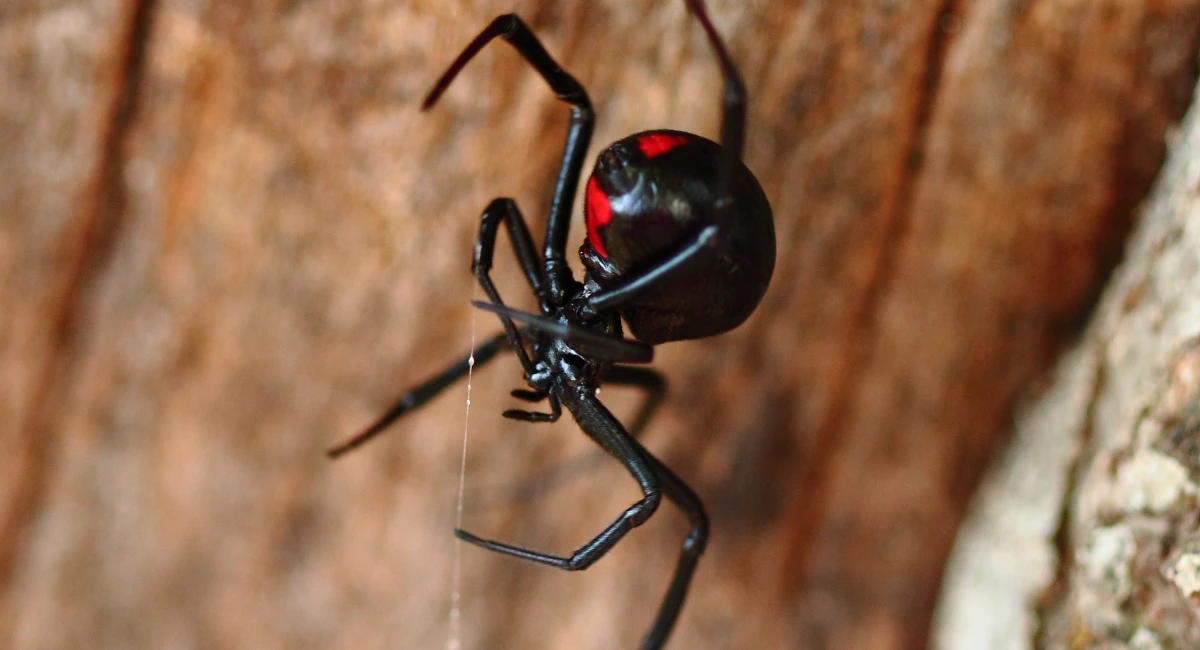
While most spiders can be safely ignored, there are two main venomous species in the Carolinas that warrant special care and should be taken very seriously.
The brown recluse spider is light brown with a subtle violin-shaped marking behind its head. It likes dark, secluded corners, such as closets, storage boxes, attics, and the space behind furniture.
The black widow is glossy black with a distinctive red hourglass on its underside and is often found in garages, woodpiles, and crawlspaces. Neither goes looking for people, but both can bite when trapped against skin, like in a shoe or a work glove. Repeated sightings of either are a good reason to call in a professional rather than wait it out or try to remove them yourself.
To spot other activity beyond the usual, keep an eye out for:
- Egg sacs — small, silky, round or teardrop-shaped cases that signal spiders are breeding indoors
- Sudden surges — a sharp jump in numbers rather than the occasional sighting
- Spiders in living and sleeping areas — activity moving out of the basement and garage and into bedrooms and main rooms
- Webs that reappear quickly after you clear them, hinting at a steady, plentiful food source nearby
Any one of these signs suggests the situation has moved past a normal seasonal visit and requires a more robust pest control strategy.
Spiders Can Signal a Bigger Problem
Spiders are predators that congregate wherever prey is plentiful. So when their numbers climb, it's often a sign that an underlying insect population is thriving somewhere in or around your home—perhaps fueled by excess moisture, unsealed gaps, or bright exterior lighting.
If your home is suddenly hosting a large number of spiders, it is highly probable that you have an underlying insect infestation. Spiders serve as an early indicator of structural vulnerabilities, such as unsealed entry points, torn screens, or excessive humidity that draws in smaller pests. Rather than treating spiders as an isolated issue, you need to tackle the root cause with comprehensive residential pest solutions to break the cycle.
Often, the source is environmental. Damp environments breed insects, so fixing crawlspace moisture issues is a highly effective way to eliminate the spiders' food supply.
Keeping Spiders Out This Season
A little prep before fall goes a long way. These practical steps can make a real difference when attempting to keep both insects and spiders out of your home:
- Rethink your exterior lighting. Bright white bulbs draw clouds of nocturnal insects, which lead spiders straight to your porches and entryways. Switching to yellow-toned or motion-activated lighting quietly cuts off the buffet.
- Seal up the gaps. Check weatherstripping, door sweeps, and utility line entries, and caulk any cracks in the foundation or siding. Repair torn window and door screens while you're at it.
- Clear the clutter. Break down cardboard boxes and tidy storage areas to remove the hiding spots that venomous spiders favor most.
Sweeping away webs helps in the moment, but longer-term fixes help keep a variety of pests out. If you find yourself fighting the same battle every year, ongoing prevention will always beat reacting after the event.
When to Consult a Professional
An occasional spider in the garage or basement needs little more than a broom and a steady hand. However, if you are consistently seeing venomous species, uncovering egg sacs, or dealing with a surge of spiders that basic exclusion methods can’t stop, it’s time to escalate the issue.
A professional inspection evaluates the property to identify both spiders and the hidden insect populations that sustain them. If late-summer pest activity is impacting your home, contact Gregory Pest Solutions to schedule an evaluation and implement a targeted, long-term defense plan.
Our local technicians know exactly what to look for. Schedule an inspection and get a clear, expert read on what's normal—and what's worth acting on—in your Carolina home.
Book Your Free Pest Inspection Today
Our local technicians will assess your property and recommend tailored solutions. Fast, friendly, and completely obligation-free.
- Safe, targeted treatments
- Local experts, fast response
- Trusted, trained technicians