© 2026 Rentokil North America © Gregory Pest Solutions – All Rights Reserved.
The sound of dry, brittle grass is becoming the signature of summer 2026 across the Carolinas. Unusually harsh heat and severe drought, especially in South Carolina, are turning residential backyards into prime pest territory.
As the wild landscape dries up, your watered lawns, gardens, and shaded patios have become havens for aggressive stinging and biting insects. For families hoping to enjoy the outdoors, standard bug sprays are no longer sufficient. Protecting your children and pets this July requires understanding where these pests are hiding and why they have arrived in such overwhelming numbers.
Why 2026 Is a Banner Year for Yard Pests
To understand the sheer volume of pests invading family homes right now, you have to look at the severe weather patterns dominating local headlines. A staggering portion of South Carolina is currently experiencing extreme drought, with the intense heat triggering statewide Red Flag Fire Alerts and strict burn restrictions.
In a typical year, heavy spring showers and summer storms act as nature’s exterminator. Frequent downpours flood out subterranean nests, wash away early-stage colonies, and keep pest populations under control. This year, the lack of rainfall has enabled wasps, ants, and ticks to thrive. Furthermore, as surrounding forests and fields become increasingly arid, these insects move to residential sprinkler systems, leaky hoses, and shaded lawn perimeters to survive.
Building a Total Yard Defense
Real protection comes from thinking about your property as a whole rather than reacting to one bug at a time. The way you water your plants, where you stack your grass clippings, and how you maintain your fence line all play a direct role in whether pests decide to settle in. Once you learn to recognize the favorite habitats of the 'big four'—yellow jackets, mosquitoes, fire ants, and ticks—you can start dismantling them.
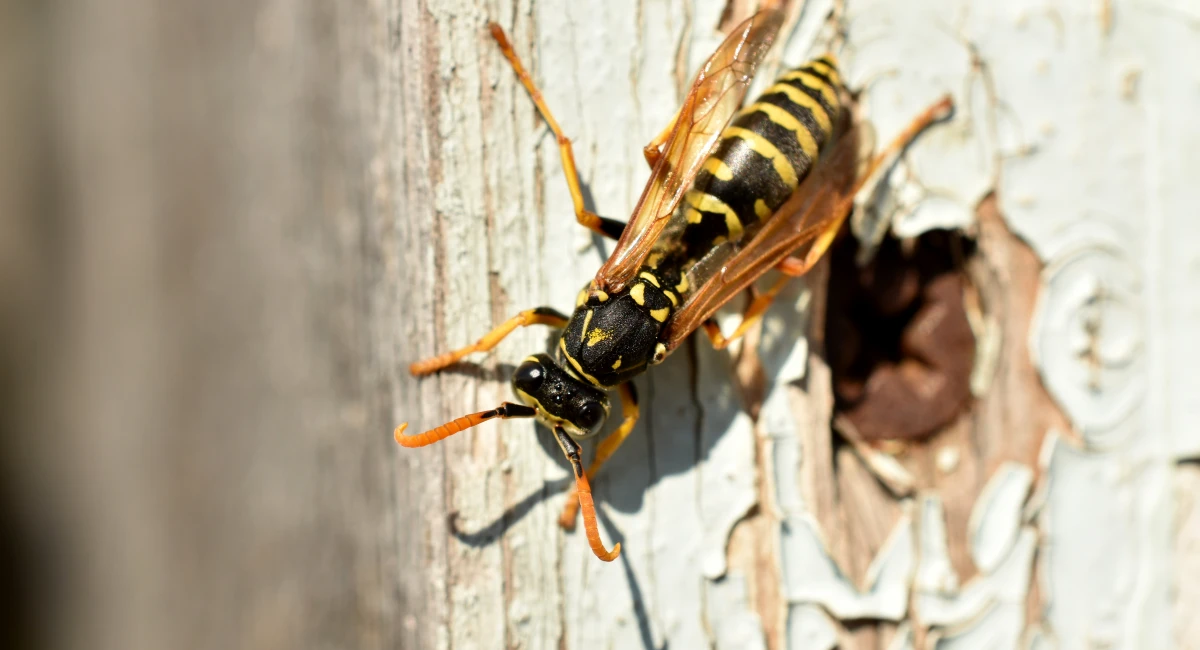
1. Ground-Nesting Yellow Jackets: Danger Underfoot
Most people instinctively scan the roofline and tree branches when they worry about wasps. But the most serious stinging threat in a summer yard is usually right under your feet.
How to Spot the Risk
Yellow jackets build enormous colonies underground, often moving into abandoned rodent burrows, rotten root systems, or small dips in the lawn. Their entrance hole can be as small as a coin, making it virtually invisible until disaster strikes. A passing lawnmower, a stomping toddler, or a curious dog creates a vibration the colony reads as an attack. In an instant, hundreds of furious workers pour out. Worse still, yellow jackets keep their stingers, so a single insect can sting over and over again.
What Draws Them In
The drought has handed these wasps a perfect breeding season. Without rain to flood their tunnels, colonies that would normally stay small are ballooning into the thousands. Thick brush along the foundation, loose dirt behind retaining walls, and undisturbed compost piles all provide these colonies with the cover they crave.
Pouring water down the hole or blasting it with store-bought spray rarely reaches the nest's core and can provoke a dangerous swarm. Eliminating a colony this large safely is a job for professional yellow jacket pest control, which can treat the entire network without exposing your family to a counterattack.
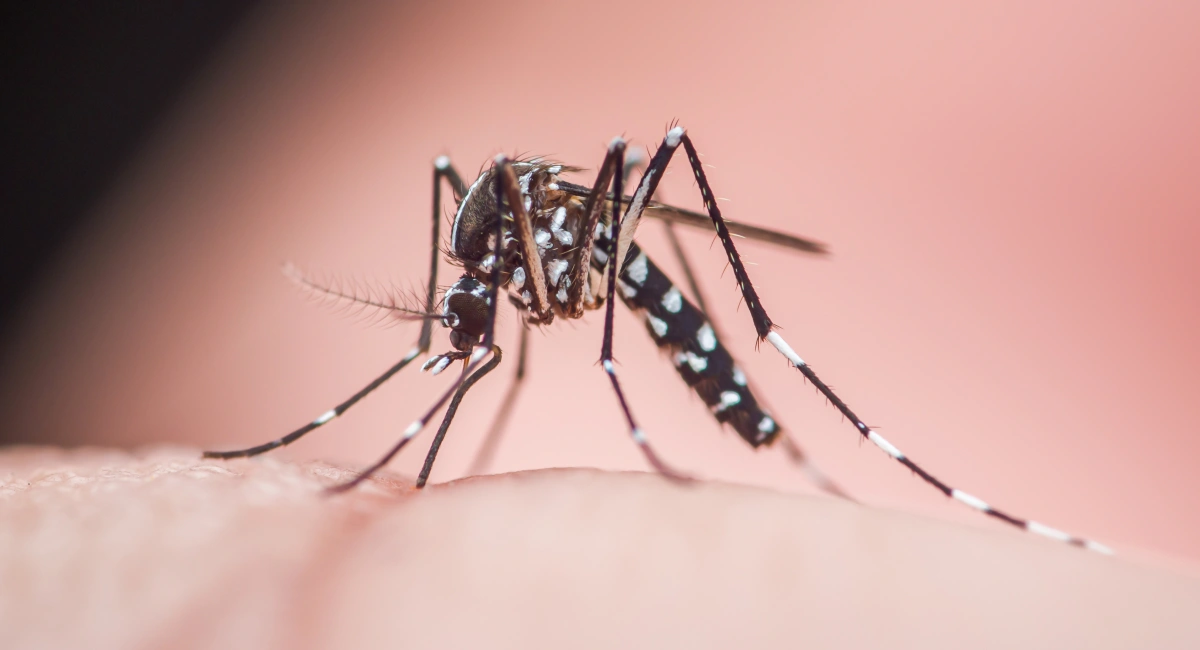
2. Mosquitoes: Far More Than a Nuisance
Everyone expects a few mosquitoes in summer, but their role in spreading disease makes them a genuine household concern. Most Carolina families know to dump out standing water from birdbaths and buckets, yet the real breeding spots are often much harder to spot.
How to Spot the Risk
If you are getting bitten in the middle of the afternoon rather than only at dusk, you are likely up against the Asian tiger mosquito. Recognizable by the bold black-and-white stripes on its legs, this aggressive daytime feeder means your kids can be swarmed during peak playtime, not just in the evening hours, when house mosquitoes are most active. Bites are health risks that should be taken seriously, as they can spread disease. A mosquito protection plan can help monitor and eliminate potentially harmful populations.
What Draws Them In
A mosquito needs only a bottle cap of stagnant water to lay hundreds of eggs. Even with the drought drying up natural puddles, routine yard care creates new breeding pools. Overwatering flower beds to fight the heat, running misaligned sprinklers, and ignoring clogged gutters all leave behind the perfect nurseries. On top of that, overgrown ivy, dense bushes, and tall grasses give adult mosquitoes the cool, shady shelter they need to wait out the hottest part of the day.
Keeping your gutters clear, fixing drainage problems, and thinning out heavy foliage make a real difference. Just as large facilities depend on comprehensive, organized commercial services to manage environmental risks, homeowners achieve the best results from ongoing yard maintenance.
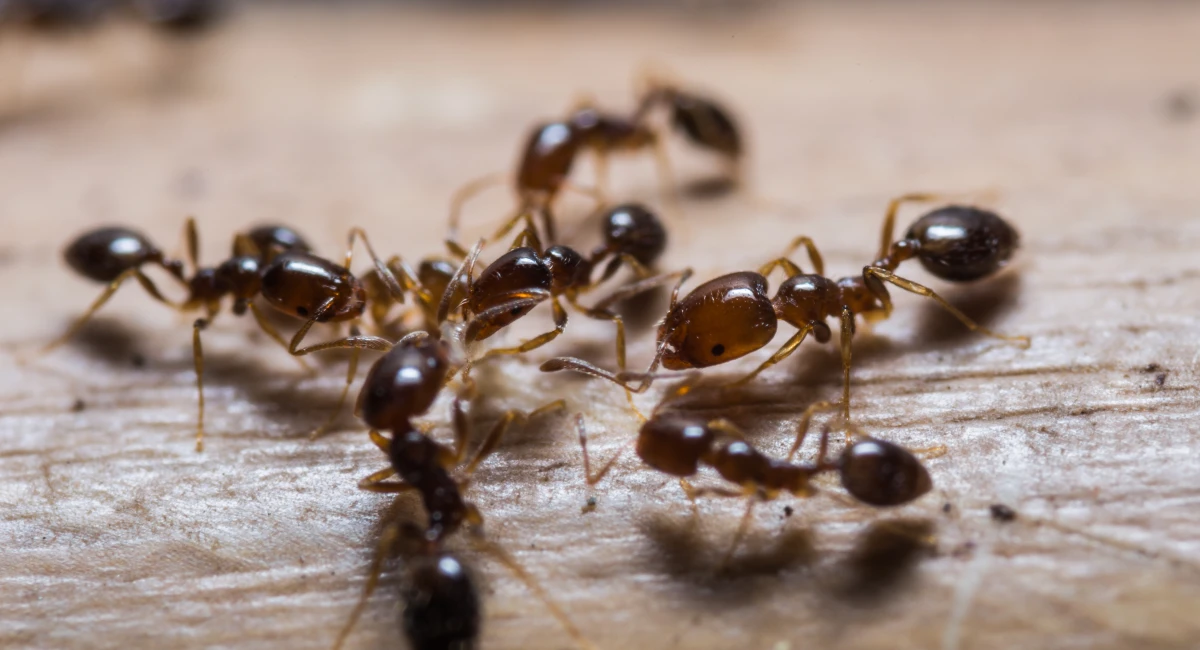
3. Imported Fire Ants: A Painful Surprise
Fire ants are a fact of life across the South, but letting them dig in near patios, walkways, and play areas is asking for trouble.
How to Spot the Risk
Knowing the difference between a regular anthill and a fire ant mound is essential. Fire ant mounds look like loose, fluffy domes of churned soil with no obvious hole at the top. The ants travel through hidden tunnels that branch out several feet underground. Disturb that mound—by stepping on it or letting a dog dig—and the colony erupts to the surface in seconds, gripping the skin and injecting a venom that burns intensely. The bites form itchy blisters that can linger for days and set off severe allergic reactions in sensitive people and pets.
What Draws Them In
Fire ants love full sun, so they happily build right in the open—smack in the middle of the lawn, along the edge of the driveway, and beside brick walkways. Oddly enough, leaving thick grass clippings behind after mowing or piling on heavy pine straw mulch acts like a warm blanket over the soil, making it even easier for them to spread their shallow tunnel systems during a dry spell. Bagging your clippings removes the comfortable conditions they look for.
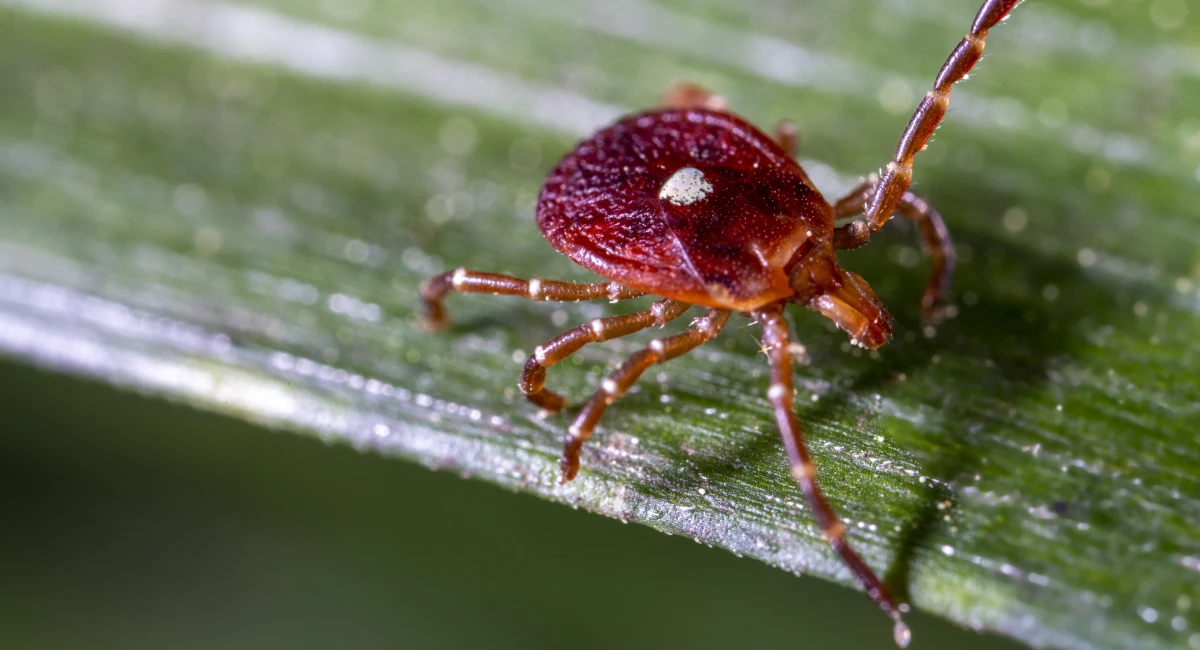
4. Yard Ticks: Lurking at the Edges
People tend to picture ticks living deep in the forest, but they’re also found in residential yards, especially where a tidy lawn meets wilder ground.
How to Spot the Risk
Ticks cannot jump or fly. They climb to the tip of a grass blade or a low branch and stretch out their front legs, waiting to grab onto anything that brushes past—a behavior called "questing." In the Carolinas, the Lone Star tick, American dog tick, and Blacklegged tick lead the pack. They carry illnesses ranging from Lyme disease to Alpha-gal syndrome, which turns what seems like a simple bite into a real medical issue.
What Draws Them In
Ticks dry out and die in direct sun, so they cling to humid, shaded pockets to survive. In a typical yard, that means the strip where mowed grass meets the woods, neglected fence lines, and the damp ground beneath dense cover like pachysandra. Old leaf litter and stacked firewood give them the cool, moist hideouts they rely on during a brutal heatwave.
To push the threat of ticks back, lay down a three-foot strip of dry gravel or cedar chips between your lawn and any wooded area to block their path inward. Keep swing sets, trampolines, and patio furniture out in the open sun, well away from shady borders where ticks gather.
Taking Back Your Backyard
It takes more than the occasional swat or bug spray to prevent summer bites and stings. You need to understand how your own yard either welcomes or repels these pests. Overwatered beds, untended brush, and an unnoticed mound of churned dirt can turn your favorite outdoor space into a hazard for the people and animals you love most.
With the drought and heat showing no signs of letting up, these insects will keep pressing toward our homes in search of water and food. By clearing out the habitats they depend on and learning to read the early warning signs, you can sharply cut the odds of a painful encounter. When a weather-driven surge becomes too big or too dangerous to handle on your own, call in seasoned professionals to protect your yard and keep it hospitable all summer long.
If summer pests are turning your backyard into a no-go zone, our local experts are ready to help. Connect with Gregory Pest Solutions to build a protection plan suited to your property - and take the first step toward a yard your family can fully enjoy.
Book Your Free Pest Inspection Today
Our local technicians will assess your property and recommend tailored solutions. Fast, friendly, and completely obligation-free.
- Safe, targeted treatments
- Local experts, fast response
- Trusted, trained technicians