© 2026 Rentokil North America © Gregory Pest Solutions – All Rights Reserved.
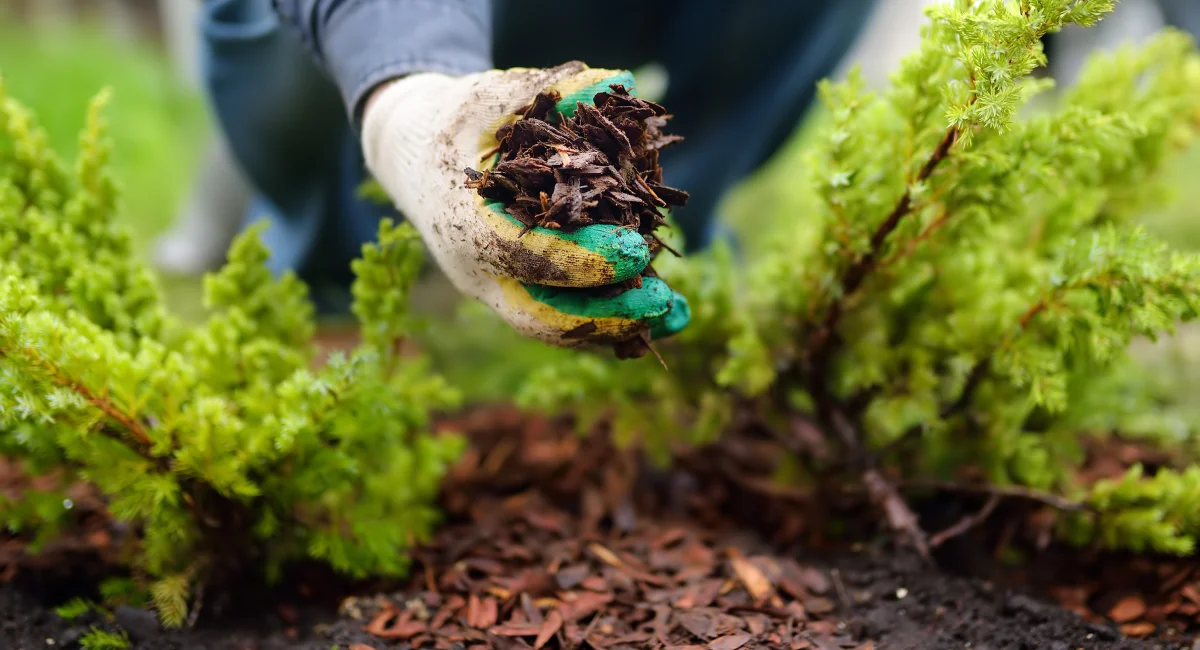
You spent the weekend transforming your flower beds, but did you just build a luxury hotel for ants? March is the month for curb appeal projects across North and South Carolina. The azaleas are budding, the hardware stores are packed, and driveways up and down the street are lined with bags of fresh mulch. It feels productive. It looks fantastic.
But here's what we see every spring at Gregory Pest Solutions: that beautiful new landscaping can accidentally create a "pest bridge", or a covered, damp highway that leads ants, earwigs, and other moisture-loving insects straight to your front door.
It's not that mulching is bad. It's how and where you mulch that makes all the difference.
What's Really Happening Under That Fresh Mulch
March in the Carolinas brings heavy, soaking rains, sometimes inches in a single afternoon. When you lay down a thick, fresh layer of wood chip mulch right against your foundation, that moisture gets trapped. Mulch holds moisture like a sponge, and underneath it stays dark, damp, and warm.
That's exactly the environment odorous house ants are waking up and searching for. These are the small, dark brown ants that release a rotten coconut smell when you crush them, and they're one of the most common home invaders in the Carolinas every spring. They nest in shallow, moist soil, and a fresh bed of wet mulch pushed up against your brick or siding is, to them, prime real estate.
It's not just ants, either. Earwigs, millipedes, and other moisture-loving pests thrive in the same conditions. One well-meaning weekend project can set the stage for weeks of pest pressure once temperatures climb through April and May.
The 6-Inch Rule That Most Homeowners Miss
Here's the single most effective thing you can do this spring: leave a 6-inch "no-mulch zone" directly against your foundation.
That means pulling your mulch, soil, and any organic material back from the brick, siding, or stucco so there's a visible gap of bare ground, or better yet, a strip of gravel or stone, between your landscaping and your home.
Why does this matter so much? Many Carolina homes, especially brick veneer construction, have weep holes, or small gaps at the base of the brickwork, designed to let moisture escape. They're essential for your home's health, but they're also open doors for ants. When mulch is piled right up against those weep holes, pests don't even have to work to find a way in. They simply crawl from the mulch, through the weep hole, and into your wall cavity.
That 6-inch buffer disrupts the bridge. It exposes ants to open air, heat, and light (conditions they actively avoid) and forces them to cross a gap they'd rather not.
Not All Ground Covers Are Created Equal
If you're choosing materials this spring, it's worth knowing how different ground covers stack up when it comes to pest activity.
- Pine Straw: It's the most popular ground cover in the Carolinas, and it has one advantage: it dries out faster than wood mulch after rain. That quicker drying time makes it slightly less attractive to moisture-loving pests like odorous house ants. However, its loose, layered structure provides excellent insulation for fire ant mounds, so it's not a free pass. Use it, but keep it away from the foundation.
- Wood Chip / Hardwood Mulch: This is the biggest offender. Shredded hardwood retains moisture the longest, decomposes into a soil-like material ants love to nest in, and stays damp well after the rain stops. If you use it, keep layers thin (2–3 inches maximum) and always maintain that 6-inch foundation gap.
- Cedar or Cypress Mulch: A smarter organic option. Cedar contains thujone, a natural oil that acts as a mild insect repellent and disrupts the pheromone trails ants use to navigate. Cypress has similar insect-resistant properties and breaks down more slowly than standard hardwood. Neither is a silver bullet, but both are a meaningful upgrade.
- River Rock or Gravel: The gold standard for the foundation zone. A 6- to 12-inch strip of crushed stone right against the house creates a dry, exposed barrier that ants hate to cross. It doesn't retain moisture, doesn't decompose, and gives pests zero cover. For homeowners who've dealt with recurring ant problems, this one change can make a dramatic difference.

A Few More Quick Wins While You're Out There
Since you're already in the yard this March, a few extra steps go a long way:
- Trim back any shrubs or branches touching your siding or roofline. Vegetation in direct contact with the house acts as another pest bridge, letting ants bypass the foundation entirely. Aim for a 12–18 inch gap between plants and the structure.
- Check your downspouts. Carolina spring storms dump serious water. Make sure downspouts extend at least 3–4 feet from the foundation so water doesn't pool right where ants want to nest
- Aim sprinklers away from the house. Irrigation hitting the side of your home creates a persistently damp zone, which is exactly what odorous house ants and carpenter ants are looking for.
Let Gregory Pest Solutions Protect Your Home
At Gregory Pest Solutions, we've been helping homeowners and businesses across North and South Carolina for over 50 years. Our expert technicians live and work in the same communities we serve, so they know Carolina soil, Carolina weather, and the pests that thrive in both.
When you call Gregory, you're getting a team with decades of hands-on experience, backed by science-driven methods and a commitment to doing the job right the first time.
If you need a professional set of eyes to assess your spring landscaping before ant season kicks into high gear, schedule your free inspection today, and we'll make sure your curb appeal doesn't come with uninvited guests.
Book Your Free Pest Inspection Today
Our local technicians will assess your property and recommend tailored solutions. Fast, friendly, and completely obligation-free.
- Safe, targeted treatments
- Local experts, fast response
- Trusted, trained technicians