What is a Tick?
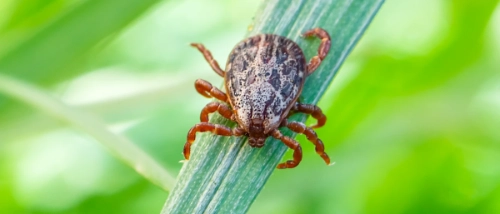
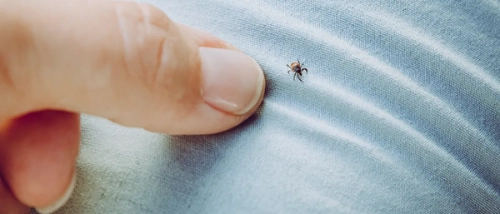
Ticks are biting arachnids that need blood meals to grow from larva to adult as well as to produce their offspring. They have flat oval-shaped bodies and eight legs. Ticks can range in size from poppy seed to apple seed depending on species and are typically black, brown, orange and yellow in color.
Ticks perch on leaves or blades of grass waiting for humans or animals to pass by. As potential prey passes, a tick will latch on to it and find a soft spot to dine. Ticks use two sets of hooked mouthparts called hypostome to burrow under their victim’s skin. These appendages are difficult to remove once they’re anchored in place and allow the tick to feast for up to ten days. A tick will engorge itself on blood, sometimes increasing its mass up to 200 times. Once it’s sated, the tick will drop off and either grow to its next life stage or produce eggs.
An adult female tick will lay between 1,500-5,000 eggs which hatch several months later. The larvae begin the cycle of blood meals and metamorphosis all over again. They will go through several stages of nymph before becoming adults.