800-922-2596 Call Now Book a Free Inspection

Boxelder Bug Identification

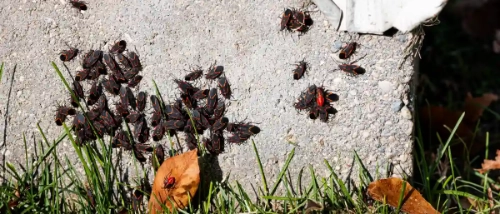
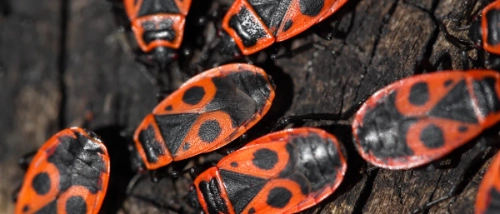
Boxelder bugs are six-legged insects with a distinctive black and orange colour.  These bugs love to invade in the fall, where you'll find them in large groups.

Boxelder bugs don't pose serious health risks, but they are a nuisance pest in large numbers and leave stains or odors when crushed.

Knowing how to recognize these insects, what attracts them, and how to prevent them from getting indoors is key to managing them. Professional help is often needed to deal with large populations, especially for businesses or homes where infestations recur year after year.

Color: Black with reddish or orange markings on dorsum

Legs: 6

Shape: Elongate-oval, somewhat flattened with head narrower than pronotum

Size: 1/2” (11-14 mm)

Antennae: Yes

Region: All

What is a Boxelder Bug and What Do They Look Like?

Scientifically known as Boisea trivittata, the boxelder bug is a common pest in many homes in the Southeastern United States. They are orange and black insects and are easily recognizable by their distinctive markings. They have six legs, long antennae protruding from the front of their head and wings that can carry them up to two miles.

Boxelder bugs get their name from frequenting the boxelder tree, common in the Carolinas. But they are not limited to these and found on other maple species. Typically, boxelder bugs are about half an inch long and are often found near boxelder trees. These trees are a type of maple that is easily identified by their seed pods. These serve as their primary food source. Although mostly outdoor insects, this black and orange flying bug can invade homes during colder months when they are looking for a place to shelter in winter.

Boxelder nymphs, or babies, look like smaller versions of the adult form but are more red in color and haven’t developed wings yet.

They belong to the "true bug" family, which means they have piercing-sucking mouthparts. Unlike beetles, their wings fold flat across their backs in an X-shape. Boxelder bugs are sometimes confused with beetles, ladybugs, or other lookalike insects.

boxelder bugs group climbing up stone wall

Are Boxelder Bugs Harmful to People or Pets?

While they can look intimidating, these insects are not dangerous to people or pets. They do not bite, sting, or spread disease. Boxelder bugs are more of a nuisance pest than a danger. They have mouthparts that are designed to pierce fruit skins but they do not bite humans or transmit diseases. However, their presence can be bothersome, especially when they invade homes in large numbers.

Additionally, their dark orange colored excrement can stain light-colored surfaces. Crushing them can release an unpleasant odor and cause staining to the surface they were crushed on. The safest way to remove boxelder bugs is by using a vacuum cleaner to suck them up. Once you’re finished, dispose of the bag or empty the canister outside.

Outdoors, their feeding can sometimes damage leaves, seeds, or young plants, although this is usually not significant. The real issue comes when their populations grow, leading to a full infestation where hundreds or thousands may cluster on siding or windows. In these cases, professional boxelder bug pest control is often the most reliable solution.

boxelder bugs group close up on their back

Why Do I Have Boxelder Bugs in My House?

Understanding why these black crawling bugs surround your home is key to prevention.  Boxelder bugs are attracted to boxelder and other varieties of maple trees. Having these trees near your home increases the likelihood of an infestation. These bugs seek warmth and shelter, especially as the weather turns colder. They will enter homes through cracks and crevices, torn screens and vents. 

You typically see boxelder bugs in your home in the fall as they seek shelter against the cold or in the spring when they awaken from their winter sleep. Boxelder bugs don’t hibernate, they just slow down and stay out of sight in winter. If you find them in your home, it probably means that they’ve settled into what they thought was a safe, quiet place to wait out the season.

How to Prevent Boxelder Bugs from Entering

While boxelder bugs are not a direct threat, prevention is important to avoid indoor infestation. Reducing their numbers starts with making your property less inviting:

  1. Seal Entry Points: Inspect your home for any gaps or cracks and seal them with caulk. Pay special attention to areas around windows, doors and utility pipes.
  2. Repair screens: Check door and window screens for rips or gaps and have them repaired.
  3. Remove Boxelder Trees: Consider removing boxelder trees near your home. If removal is not an option, regularly clean up fallen seeds and debris that attract bugs.
  4. Regular Maintenance: Keep your property clean and clutter-free. Trim back vegetation that touches your home’s exterior.
  5. Professional Pest Control: The above steps may help reduce the likelihood of the orange and black flying bugs entering your home, but they are rarely enough to stop large populations. Regular inspections and treatments from a professional pest control service can be crucial in identifying and controlling boxelder bug infestations.

How to Get Rid of Boxelder Bugs Effectively

Once boxelder bugs get indoors, they can be frustrating to manage. Vacuuming can help control them quickly, but crushing them leaves stains and odors. Do-it-yourself sprays may kill some, but often miss hidden populations or entry points.

Power washing can remove them from siding outdoors, but this doesn't solve the root of the problem. Because boxelder bugs gather in large numbers, many homeowners need professional boxelder bug pest control.

If you contact our team at Gregory Pest Control for help with Boxelder bugs, we will ensure targeted treatments are used to reduce active populations. Our approach to Boxelder pest control is thorough. We don't miss a step, with inspections, treatment, and prevention - because pests are consistent, so we have to be too.  By combining immediate control with preventive advice, our technicians address the current issue while reducing the chance of future infestations.

We can also offer you an ongoing residential pest control program to keep infestations under control every season. For businesses, where presentation and cleanliness are top priorities, we'll use dedicated commercial pest control plans to help ensure Boxelder infestations do not affect your operations.
Need Help with Boxelder Bugs?

If you're dealing with a boxelder bug infestation, you don't have to manage it alone.

Our team provides tailored solutions for residential and commercial pest control, ensuring that infestations are handled efficiently and safely.

Boxelder Bug Control Frequently Asked Questions

No. Their mouthparts may be able to puncture your skin and leave an itchy welt like a mosquito bite but boxelder bugs don’t actively bite humans.

Unlike most pests, boxelder bugs aren’t in your home to raid your pantry. Their favorite foods are the seed pods of boxelder or maple trees but they will also drink “plant juices” like the sap of maple trees. They have also been found to eat apples and pears off of fruit trees.

Vacuuming them up is the safest and easiest way to rid of boxelder bugs. Crushing them could release an unpleasant odor and create an orange mess that might stain light-colored surfaces. Once you have removed the bugs, locate and seal the entry points to prevent bugs from entering again.

If you have an infestation of boxelder bugs in your yard, it’s likely due to a prevalence of food. Remove boxelder trees or at a minimum, clean up the “helicopter” seed pods that they leave on the ground. A pest control expert can help with other strategies based on your particular problem.

Boxelders can live up to a year if they find a warm place to hide and become inactive over the winter. Otherwise, they typically live a few weeks.

Get In Touch

About Us

The personal touch sets Gregory apart from other companies. We have been family owned and locally operated since 1972. We get to know you, your family and home.