Spider Behavior, Diet & Lifecycle
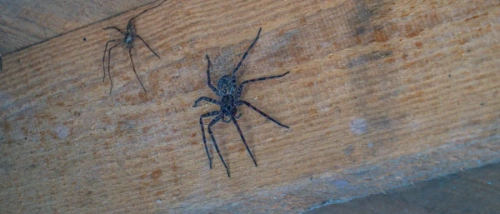
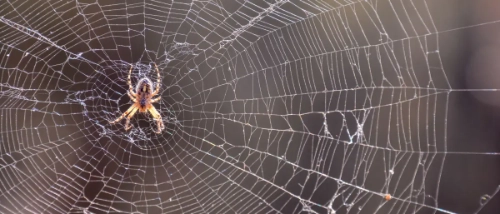
Spiders are predators that rely on hunting or trapping prey. Their diet consists primarily of insects such as flies, mosquitoes, ants, and other small invertebrates. By consuming these pests, spiders play a role in balancing ecosystems. They produce silk used for building webs, wrapping prey, or protecting eggs. Some species, like orb-weavers, build elaborate webs to trap flying insects, while others, like wolf spiders, actively chase their prey.
The lifecycle of a spider begins with eggs, which are often encased in silk sacs. Depending on the species, a female spider may produce multiple sacs in her lifetime, each containing dozens or even hundreds of eggs. Once hatched, spiderlings disperse to find new environments, often using silk to balloon into the air and travel. Spiders' lifespans vary widely, from just a few months to several years. When people ask how long spiders live, the answer depends on the species and environmental conditions.
Spiders are generally solitary creatures. They prefer to live and hunt alone, though some species may be seen in greater numbers if conditions are favorable. While spiders are active year-round, they may become more noticeable in the fall as they search for shelter from cooler temperatures.