800-922-2596 Call Now Book a Free Inspection

Flea Control and Removal

Some of the most frustrating and persistent pests are fleas. These tiny insects are parasites that feed on the blood of mammals and birds. Their bites are itchy and uncomfortable, and for some people and pets, they can cause severe allergic reactions. Worse, fleas reproduce quickly and can survive for months in carpets, furniture, and bedding, making infestations especially hard to manage without professional help.

If you have ever searched online for flea pest control near me or tried over-the-counter sprays only to see fleas return, you already know how stubborn they are. A single female flea can lay dozens of eggs daily, and those eggs fall into the environment where they continue the life cycle. This means an infestation rarely disappears on its own.

Gregory Pest provides effective flea control for both homeowners and businesses. As a full-service pest solutions provider, we know that treating fleas means more than just dealing with the adults you can see. Our technicians target every stage of the flea life cycle, helping you address infestations at their source and protect your property, pets, and customers from ongoing problems.

Color: Dark reddish-brown

Legs: 6

Shape: Flat

Size: 1/12 to 1/6-inch long

Antennae: True

What is a Flea?

Fleas are small, wingless insects which scientists group in a category called Siphonaptera. They are external parasites, meaning they live outside their host while feeding on blood. Fleas are highly adapted to this role: their bodies are laterally flattened, which allows them to move easily between hairs and feathers. Their legs are long and powerful, enabling them to jump distances many times their body length.

Worldwide, there are more than 2,000 species of fleas, but only a few regularly cause problems in the Carolinas. The most common is the cat flea (Ctenocephalides felis). Despite its name, this species is found on both cats and dogs, and it is also the one most likely to bite humans. Dog fleas (Ctenocephalides canis) are also present, though less common, and bird fleas may occasionally invade homes near nests.

Fleas are notorious hitchhikers. They are easily transported indoors on pets, wild animals, or shoes and clothing. Once established, they reproduce rapidly, which explains why infestations often seem to explode overnight.
Types of Fleas

While the cat flea is the most common culprit in homes, several flea species deserve mention:

  • Cat flea (Ctenocephalides felis): The most widespread species in the United States. Found on cats, dogs, and sometimes humans. This flea is responsible for most household infestations.
  • Dog flea (Ctenocephalides canis): Found primarily on dogs but less common in the Carolinas than the cat flea.
  • Human flea (Pulex irritans): Once more common, now relatively rare indoors. It can still infest humans, pigs, and other mammals.
  • Sticktight flea (Echidnophaga gallinacea): This flea, which is found on poultry and occasionally other animals, attaches tightly to its host and is challenging to remove.
  • Sand fleas: Despite the name, sand fleas are not actual fleas. They are small crustaceans found in sandy environments. Their bites can cause itching, but they do not reproduce indoors like fleas.

Understanding the species present can help guide treatment, though in most cases, the same control measures are used regardless of flea type.

Behavior, Diet, and Habits

Fleas are highly specialized parasites whose survival strategies make them especially difficult to eliminate.

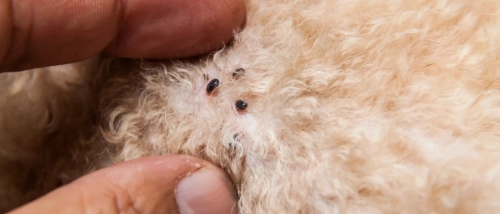
fleas found on dog fur skin

What Do Fleas Eat?

Adult fleas feed exclusively on blood. Their mouthparts pierce the skin of their host and draw blood to fuel reproduction. Without access to blood, adult fleas survive only a few days, but with a host, they can live for weeks or even months.

Flea larvae, however, do not feed on blood directly. Instead, they live in carpet fibers, bedding, or soil and consume organic debris, including the dried blood excreted by adult fleas. This feeding behavior ensures that developing larvae are sustained as long as adults are present.

german shepherd dog outside establishment looking inside doors

Where Do Fleas Come From?

Most infestations begin when pets carry fleas inside. Dogs and cats pick up fleas outdoors, often in grassy areas or where wildlife like raccoons, opossums, or mice have been active. According to research, rodents can also harbor fleas and mites, meaning a rodent infestation can bring fleas into your home.

Once indoors, fleas move quickly into carpets, rugs, and upholstered furniture. Because eggs and larvae can survive for weeks in the environment, even temporary animal visits can seed a home with fleas.

dog in bed biting to itch his back

Where Do Fleas Live?

Fleas live both on their hosts and in the surrounding environment. On animals, they spend much of their adult lives feeding and reproducing. They thrive in soft furnishings like carpets, bedding, and upholstered furniture in homes. Outdoors, they are found in shaded, moist areas where pets or wildlife rest.

Life Cycle and Life Span of Fleas

The flea life cycle is key to understanding why infestations are so persistent.

  • Eggs: Female fleas lay up to 50 eggs daily, usually on the host. These eggs fall into the environment, where they hatch in as little as two days.
  • Larvae: Flea larvae are worm-like and avoid light. They feed on organic debris, including adult flea feces, for one to two weeks before spinning cocoons.
  • Pupae: Inside the cocoon, fleas develop into adults. The pupal stage can last from days to months, depending on conditions. Pupae resist most treatments, so infestations often reappear after initial control efforts.
  • Adults: Once they emerge, adult fleas seek a host within hours. They can survive several weeks without feeding, but live longest and reproduce best when attached to a host.

This life cycle means that for every flea you see, dozens more eggs, larvae, and pupae are likely hidden in the environment.

Are Fleas Dangerous?

Fleas are not just an annoyance. Their bites can cause itching, red welts, and, in some cases, allergic dermatitis in pets. Heavy infestations can lead to anemia in young or small animals.

Fleas can also transmit parasites and diseases. Pets often acquire tapeworms after ingesting fleas. Historically, fleas played a role in spreading plague through rodents. While rare today, fleas can still carry bacteria such as Rickettsia typhi, which causes murine typhus. According to the CDC, flea-related illnesses remain a concern in certain regions.

What Is a Sand Flea?

Sand fleas are frequently mistaken for actual fleas, but they are a different type of organism entirely. Actual fleas are insects, while sand fleas are small crustaceans found in sandy environments like beaches. Because of their size and the fact they jump like fleas, they are commonly called sand fleas.

Sand fleas in the U.S. are most commonly found along the Atlantic coast. The less common Gulf sand hopper can be found along the western gulf coast in California.

Sand fleas can bite humans, leaving itchy welts that resemble flea bites. They do not infest homes, pets, or furniture. Their presence is usually limited to outdoor environments, especially coastal areas.

Why Do I Have Fleas?

The most common reason for a flea infestation is pets bringing them inside. Even indoor-only pets can pick up fleas if other animals in the household go outdoors.

Wildlife such as opossums, raccoons, and rodents like mice are also known carriers. If these animals visit your yard, they can leave behind fleas that later find their way indoors.

Environmental conditions also play a role. Fleas thrive in warm, humid climates, making infestations more likely during spring and summer in the Carolinas. Once indoors, fleas spread rapidly through soft furnishings, especially if untreated pets provide a steady food source.

How Can I Prevent Fleas?

There are several easy steps you can take to prevent fleas:

  • Landscape. Remove vegetation build-up outside. Trim back long grass, weeds, bushes, or trees. Keep your yard away from your home’s perimeter.
  • Vacuum. Clean your carpets and rugs often to suck up any eggs before they’re able to hatch.
  • Check pets. Especially if they spend a lot of time outside, perform regular flea inspections on your pets. Give them a quick brush down every time they enter your home from the outdoors and use anti-flea drops on pets if they’re going to be outdoors for an extended amount of time.

Even the most diligent prevention cannot always stop an infestation. Fleas reproduce so quickly and survive so well in hidden areas that DIY efforts usually provide only temporary relief.

Working with an expert flea exterminator is the most reliable option for long-term control. Gregory Pest provides professional flea treatment for your house or business, helping to address infestations at every stage of the flea life cycle.

Where Can I Get Help With Fleas?

If you are dealing with flea infestation activity inside your property, Gregory Pest can help. Our experience with both residential and commercial pest control services allows us to create solutions tailored to your unique needs. We are a full-service pest solutions provider serving the Carolinas, committed to protecting food safety and reducing the stress of infestations. 

Contact us today to schedule an inspection and learn how our professional treatments can protect your property from fleas and the other pests that attract them.

How Can Gregory Pest Remove Fleas From My Home Or Business?

We provide comprehensive residential services for homeowners that focus on helping keep fleas out of homes and businesses. For businesses, we offer commercial pest services designed to protect food storage and processing areas, maintain compliance, and safeguard reputations.

When you hire us to evaluate how extensive your home’s pest problem is, one of our pros will be sent to assess the situation and then formulate an environmentally friendly plan for removal and prevention. Our experts also prevent future infestations from forming by recommending sanitation and storage practices, so you and your family can enjoy a lasting insect-free environment.

Flea Control Frequently Asked Questions

Fleas are usually detected by itchy bites on ankles and legs, or by spotting small, dark insects jumping on carpets, furniture, or pets. Flea dirt, which looks like black pepper specks, is another clear sign.

Fleas live on pets, in carpets, upholstered furniture, bedding, and cracks in flooring. Outdoors, they thrive in shaded, moist areas like tall grass, leaf litter, or pet resting spots.

Yes, fleas bite humans, typically around the ankles and legs, leaving small, red, itchy bumps. While they prefer animal hosts, they will feed on people if available.

Fleas spread by hitching rides on pets, wildlife, or clothing, quickly infesting living spaces. They reproduce rapidly, with eggs dropping into carpets, bedding, and furniture.

Getting rid of fleas requires treating pets, vacuuming frequently, washing bedding, and addressing carpets or upholstery. Severe infestations often need professional flea control.

Yes, fleas can transmit diseases such as murine typhus and can also carry tapeworms. While rare, their bites can also cause allergic reactions.


Ready to Get Started?

Our technicians are ready to rid your home or business of unwanted fleas.

800-922-2596 

Get In Touch

About Us

The personal touch sets Gregory apart from other companies. We have been family owned and locally operated since 1972. We get to know you, your family and home.