800-922-2596 Call Now Book a Free Inspection

Color: Yellowish to dark brown, sometimes with darker stripes or markings

Legs: 177

Shape: Elongated, flattened, worm-like

Size: 1/8 – 6” (4-152 mm)

Antennae: Yes

Region: Found throughout U.S.

Centipede Control and Treatment

Centipedes are some of the most recognizable crawling insects in the Carolinas. Their long, segmented bodies and many legs make them stand out and often frighten people when they scurry across a basement floor or bathroom wall. While centipedes play an essential role in nature as predators of other insects, their presence indoors is rarely welcomed.

Although centipedes are not usually harmful to humans, their sudden appearance can be alarming. People often want them removed as quickly as possible. The challenge is that centipedes thrive in the very conditions many homes and businesses provide: cool, moist areas with an abundance of prey.

Centipedes reproduce slowly but live for several years, so once they find a suitable indoor environment, they can become long-term residents.

What is a Centipede?

Centipedes are arthropods, belonging to the class Chilopoda. Their name translates to “hundred feet,” though this is misleading; centipedes do not always have 100 legs. Instead, depending on the species, they can have anywhere from 15 to 177 pairs. One defining feature is that they always have an odd number of leg pairs.

The house centipede (Scutigera coleoptrata) is the most common species indoors in the Carolinas. These centipedes have very long legs and fast movements that make them appear larger than they are. Outdoors, you may also find soil centipedes and larger species that live under rocks or logs.

When locals refer to a 44-legged insect, they are often describing a medium-sized centipede that commonly enters homes in North Carolina or South Carolina. While the exact number of legs varies, this nickname reflects how people perceive their multi-legged appearance.

Centipedes are sometimes confused with millipedes, but they are very different. Millipedes are slow, rounded, and feed on decaying plant material, while centipedes are flat-bodied, fast, and predatory. Knowing which you are dealing with can help determine whether you have a harmless garden dweller or a pest issue inside your home.
Behavior, Diet, and Habits

Centipedes are nocturnal hunters. They spend their days hiding in cracks, crevices, and other dark areas, then emerge to search for prey at night. Understanding their habits is key to knowing why they enter homes and how to prevent infestations.

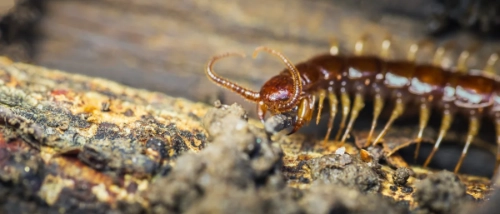
centipede up close to the head on a wooden branch

What Do Centipedes Look Like?

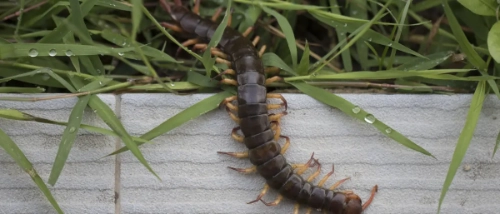
Centipedes vary in size and appearance depending on the species. House centipedes are light brown to yellow-gray with darker stripes across the body. Their extremely long legs give them a spidery look, so people often react with alarm when they see one dart across a wall.

Smaller species, like the ones often described as 44 legs, are shorter with fewer legs but still move quickly. Larger centipedes found outdoors can reach several inches long and appear reddish-brown.

centipede crawling out of plant onto stone planer

Where Do Centipedes Live?

Centipedes are often found outdoors in soil, under rocks, or in piles of leaves and mulch. These damp, protected environments allow them to avoid drying out. In South Carolina, centipede sightings are particularly common along the coast, where high humidity creates ideal conditions. In North Carolina, centipedes thrive in shaded mountain and Piedmont regions with cool, moist soil.

Indoors, they gravitate toward basements, crawl spaces, bathrooms, and other areas where moisture is present. They may hide behind baseboards, under sinks, or in storage areas. Their presence is often a sign that your home has moisture issues or an abundance of other insects they can prey on.

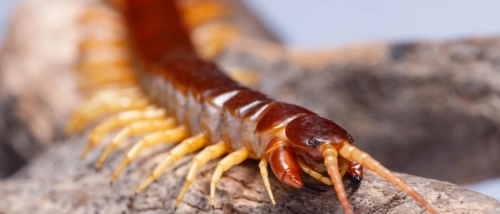
centipede up close to the head on a wooden branch

What Do Centipedes Eat?

Centipedes are carnivores. Their diet consists mainly of other arthropods, including spiders, cockroaches, ants, silverfish, flies, and mosquitoes. They use their speed and venomous fangs to subdue prey quickly.

While this feeding behavior makes them beneficial outdoors, it creates concern indoors. If you see centipedes in your home, it often means an underlying pest issue needs attention.

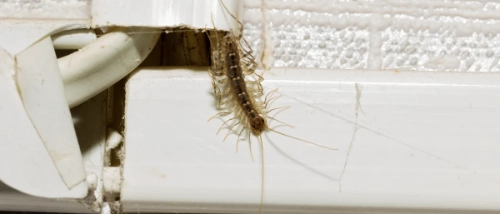
centipede crawling out of power socket

Are Centipedes Nocturnal?

Centipedes are primarily nocturnal. Preferring to stay hidden during the day, they shelter in damp, dark areas such as under rocks, logs, or inside basements and bathrooms. At night, they emerge to hunt, using their speed and venomous fangs to capture prey like insects, spiders, and other small arthropods. This nocturnal behavior helps them avoid predators while giving them better opportunities to find food. Their activity patterns also explain why homeowners often spot them suddenly when turning on lights at night. Centipedes thrive in moist and undisturbed environments because they are sensitive to dryness and light.

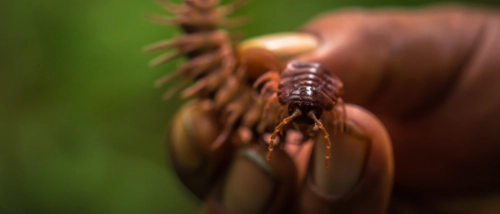
centipede in person's hand

Do Centipedes Bite?

Centipedes are capable of biting, but they rarely bite humans. Their fangs are designed to inject venom into small prey, not people. If a bite does occur, it is usually the result of handling or stepping on one. The effects are typically mild, including redness, pain, or swelling like a bee sting. Anyone experiencing a more severe reaction should seek medical attention.

In the Carolinas, the house centipede is the species most often found indoors. These centipedes are small and generally harmless, with bites being very uncommon. Larger species may live outdoors in damp, wooded areas and can deliver a more painful sting if provoked. Pets may also encounter centipedes, but reactions are usually minor. If unusual symptoms appear, contacting a veterinarian is the safest step.

Lifespan Of Centipedes

Centipedes live longer than many people realize. Depending on the species, their lifespan ranges from three to seven years. Because they reproduce slowly but live for several years, populations can persist indoors if conditions remain favorable. The warm, humid climate of the Carolinas supports centipedes growth, allowing them to reach the upper end of their lifespan.

Are Centipedes Dangerous?

Centipedes are more of a nuisance pest than an imminent danger. They don’t pose a significant danger, but if handled roughly, centipedes can bite. The bite won’t seriously injure you, but it can hurt pretty bad, break the skin, and cause swelling. Even if they’re not a serious physical danger to humans, their presence indoors is still a concern. They may indicate moisture problems, pest infestations, or structural vulnerabilities that must be addressed. For businesses, centipede sightings can also harm customer confidence.

Why Do I Have Centipedes?

Centipedes enter buildings in search of moisture, shelter, and food. Properties with leaky pipes, damp basements, or poor ventilation create the perfect environment for them. Their ability to survive long-term also makes controlling moisture in your home key to deterring them. If insects such as flies, cockroaches, or ants are also present, centipedes will quickly move in.

In North Carolina and South Carolina, weather plays a big role. Heavy rains can flood soil, driving centipedes indoors. Hot summers and cold winters also push them to seek the consistent conditions inside homes and businesses. Cracks in foundations, open vents, and gaps around doors give them easy entry. If you notice repeated centipede sightings, it often means your property provides the exact environment they need to survive.

How Can I Prevent Centipedes?

The first step in prevention is reducing the moisture that attracts centipedes. To keep your property less inviting, repair leaks, improve ventilation, and run dehumidifiers in damp areas. Sealing cracks and gaps around your foundation prevents them from finding easy entry points.

It is also essential to address other potential pest infestations. Since centipedes feed on insects like spiders and cockroaches, eliminating these infestations reduces the food sources that sustain them.

DIY methods, like sticky traps or decluttering, can temporarily reduce sightings. However, they often fail to address the main issue. Long-term prevention requires professional pest control that targets both centipedes and the insects they prey on.

How Can Gregory Pest Remove Centipedes From My Home or Business?

When you hire us to evaluate how extensive your pest problem is, one of our technicians will be sent to assess the situation and then formulate a plan for removal and prevention. 

As a full-service pest solutions provider, we go beyond short-term fixes. For homeowners, we provide guidance on reducing moisture and sealing entry points.  For businesses, We offer discreet services that protect your reputation while addressing infestations. Whether you are dealing with centipedes in South Carolina or centipedes in North Carolina, Gregory Pest has the expertise to deliver results.

Where Can I Get Help With Centipedes?

If you are dealing with centipede infestation activity inside your property, Gregory Pest can help. Our experience with both residential and commercial pest control services allows us to create solutions tailored to your unique needs.

Contact us today to schedule an inspection and learn how our professional treatments can protect your property from centipedes and the other pests that attract them.

Centipedes Frequently Asked Questions

Centipedes are not considered dangerous. Their bites are rare and usually cause only mild pain or swelling, similar to a bee sting. Serious reactions are extremely uncommon.

Centipedes enter homes looking for moisture, shelter, and food like insects and spiders. Basements, bathrooms, and crawlspaces are common indoor hiding spots.

Centipedes have long, flattened bodies with one pair of legs per body segment, giving them a fast, darting movement. They range in color from yellowish-brown to dark brown, sometimes with stripes.

To eliminate centipedes, reduce moisture, seal cracks, and eliminate clutter that provides hiding spots. Professional pest control may be needed for recurring infestations.

Yes, centipedes thrive in both environments. Outdoors, they hide under rocks, mulch, or leaf litter, while indoors, they prefer damp areas like basements and bathrooms.

Prevent centipedes by keeping your home dry, sealing entry points, and removing debris near the foundation. Regular cleaning and pest control also help reduce their presence.


Ready to Get Started?

Gregory's experts are ready and waiting to end your centipede infestation for good. Call today!

800-922-2596 

Get In Touch

About Us

The personal touch sets Gregory apart from other companies. We have been family owned and locally operated since 1972. We get to know you, your family and home.