© 2026 Rentokil North America © Gregory Pest Solutions – All Rights Reserved.
When winter settles across the Carolinas, many homeowners begin noticing the same frustrating issues: cold rooms that never warm up, unexpected drafts drifting through hallways, and heating bills that climb higher than expected. While these problems are often blamed on aging HVAC systems or poor ventilation, the real cause frequently lies deeper. Insulation that has deteriorated, shifted, or absorbed moisture over time.
Insulation problems rarely remain isolated. When insulation weakens, it allows warm air to escape and, at the same time, creates convenient entry points for rodents and insects searching for shelter. As heat escapes through gaps, it creates trails pests can easily follow, drawing them into attics, crawl spaces, and wall voids, meaning home services are required. Gregory Pest Solutions helps homeowners across the Carolinas identify these hidden weaknesses and restore comfort, protection, and energy efficiency at the same time.
Why Insulation Problems Attract Winter Pests
Drafts and Cold Spots Reveal Hidden Entry Routes
Cold spots and interior drafts are often the first signs of insulation breakdown. When insulation compresses, pulls away from beams, or becomes damp, it leaves gaps that allow warm air to drift into uninsulated areas. Rodents, especially mice, use these warm air currents as guides to find entry points. A draft near a baseboard or an unusually cold wall may indicate gaps deep inside the structure and pests typically discover these pathways long before homeowners do.
Attic Insulation Shifts Create Pest Highways
Attic insulation shifts naturally as temperatures fluctuate throughout the year. Seasonal expansion and contraction of wood framing, storage compression, or previous rodent activity can create gaps that pests quickly exploit. These openings form concealed “tunnels” where mice and rats move freely across the attic. Because attics stay warm and quiet in winter, even minor disturbances in attic insulation can lead to increased pest movement and nesting activity. If these gaps have already allowed animals to enter, our wildlife exclusion solutions help remove wildlife safely and seal the entry routes they’ve been using.
Crawl Space Insulation Deterioration Draws Moisture and Pests
Crawl spaces in Carolina homes are especially prone to insulation damage because of humidity, groundwater, and seasonal temperature changes. Once insulation begins to sag or absorb moisture, it becomes ideal nesting material for rodents and insects. Damp insulation also cools the floor above it, leading homeowners to increase thermostat settings, which releases even more warm air into wall voids and encourages pest movement. As moisture builds, crawl space insulation issues often spread into other parts of the home. Persistent moisture problems in crawl spaces can be addressed with our moisture control services, which help stabilize humidity levels and reduce pest attractants.
Gaps Around Pipes, Ducts, and Wiring Provide Easy Access
Plumbing lines, wiring, and HVAC ducts create small penetrations through walls and floors. When insulation around these areas is missing or weak, pests gain direct access to interior cavities. These passages also release warm air, which rodents instinctively follow. Because these gaps are hidden behind walls or beneath flooring, they often go unnoticed until pests are already inside.
What Insulation Gaps Really Look Like Inside a Home
Insulation can appear intact on the surface while problems are hidden deeper inside. Gregory technicians often discover:
- Insulation that has fallen in a crawl space - This exposes floor joists, making your home colder and giving rodents a clear path into subflooring and wall cavities.
- Attic insulation pulled away from corner framing - A sign of either pest movement or natural settling, creating tunnels pests can travel through.
- Moisture-stained insulation around HVAC ducts - Moist insulation loses its insulation value, attracts insects, and accelerates mold growth.
- Insulation disturbed by previous rodent activity - Even after rodent removal, contaminated or shredded insulation must be repaired or replaced to prevent re-entry.
- Thin, patchy insulation across older homes - Especially in pre-1990 homes where insulation may not meet modern energy standards or pest-prevention needs.
These conditions rarely improve on their own and typically worsen each winter.
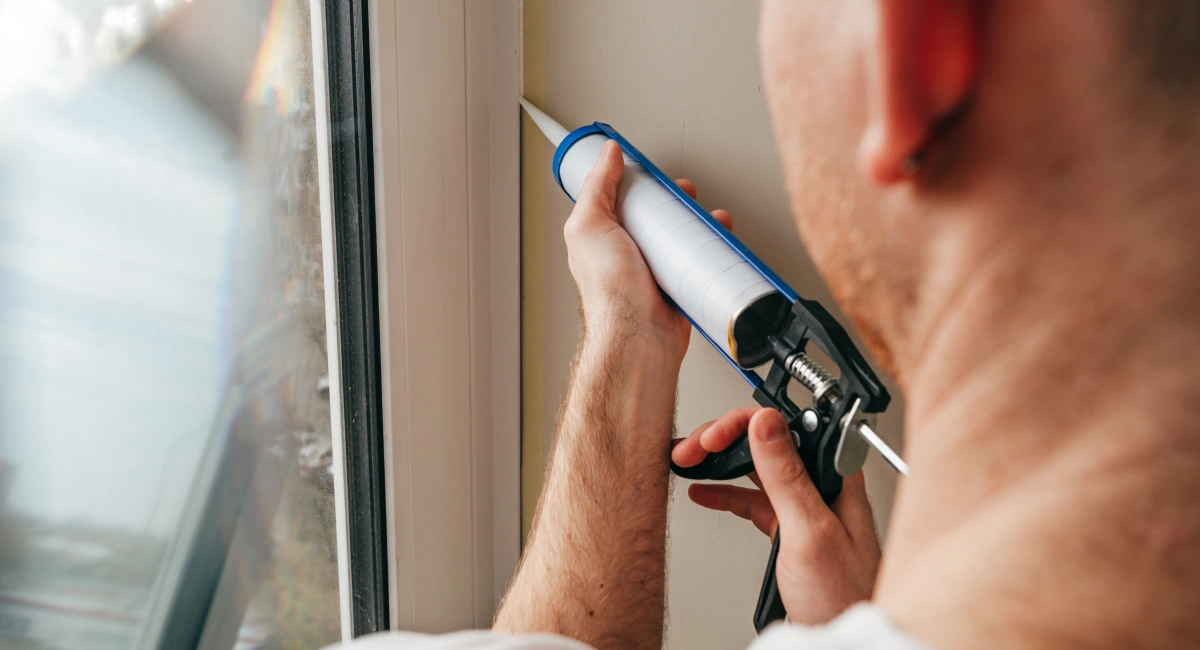
Warning Signs of Insulation-Related Pest Problems
- Cold spots or drafts in isolated rooms
- Increased heating bills due to heat loss
- Scratching or movement noises from attics or crawl spaces
- Droppings or shredded insulation showing rodent activity
- Musty odors from moisture or contamination
- Visible gaps or displaced insulation around ductwork or vents
If multiple signs appear together, insulation and pest issues are likely occurring at the same time.
Choosing the Right Insulation for Pest Prevention
Not all home insulation materials perform equally in the Carolinas. Here’s how common types compare:
Fiberglass Batt Insulation
- Affordable but prone to sagging and moisture absorption
- Easily shredded or tunneled through by rodents
- Becomes ineffective if compressed or wet
- Often leaves gaps around irregular framing
Blown-In or Loose-Fill Insulation
- Provides good coverage but can be disturbed by pests
- May settle over time, reducing R-value
- Rodents can move through it easily
Spray Foam Insulation
- Expands to fill every gap and crack
- Significantly reduces air leakage
- Resists moisture better than batt insulation
- Much harder for rodents to penetrate
- Acts as both an air seal and an insulation layer
Spray foam insulation offers the strongest barrier against pest entry because it creates a continuous seal that blocks both airflow and pest movement.
How Weather Patterns Influence Insulation and Pest Activity
Cold snaps, winter rain, and humidity fluctuations all affect how insulation performs. As temperatures drop, warm indoor air naturally rises and escapes through weak attic insulation. This airflow creates reliable “heat trails” that pests follow toward shelter. Freeze–thaw cycles widen small cracks along siding, roofing, and around windows, making it easier for rodents to enter. Moisture from winter rain often seeps into crawl spaces, causing insulation to sag or absorb water. These conditions attract insects and accelerate structural deterioration. Winter becomes the season when insulation weaknesses and pest activity both reach their peak.
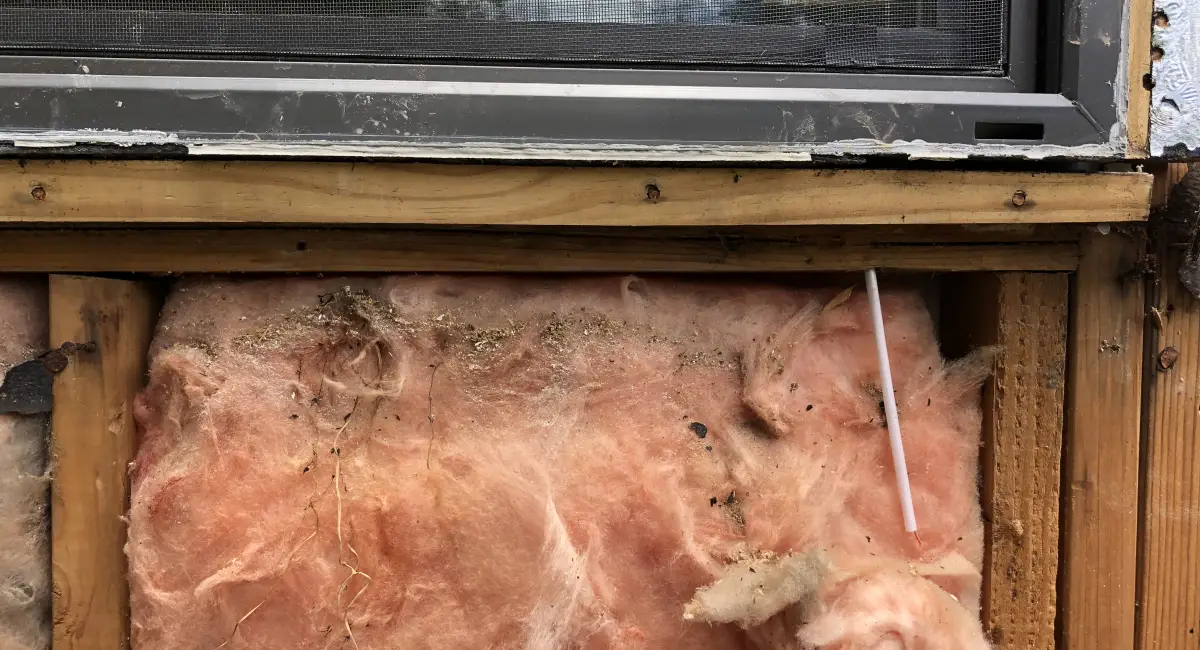
Insulation Issues and Their Impact on Energy Costs
Insulation breakdown not only reduces comfort, but it also increases long-term costs. Gaps in insulation allow warm air to escape upward, forcing the HVAC system to work harder and run longer. Sagging or damp crawl space insulation cools first-floor living spaces, driving up thermostat use. Homes with insulation gaps commonly see heating bills rise by 20–40 percent in winter. Moist or contaminated insulation can also lead to structural problems such as wood rot or mold, while pests nesting within insulation often leave behind damage that requires removal and replacement. Addressing these problems early prevents expensive repairs.
When to Schedule a Winter Insulation Inspection
Insulation issues and winter pest activity often go hand in hand, but they don’t have to persist.
Winter is the ideal time for homeowners to schedule a full insulation and pest inspection. Temperature differences between indoor and outdoor air make insulation gaps easier to detect, and many pests are actively searching for warmth. Homeowners should book an inspection if they notice cold spots, unexplained increases in heating bills, or nighttime noises coming from attics or crawl spaces.
Gregory Pest Solutions helps homeowners throughout the Carolinas identify insulation deficiencies, remove active pests, and seal vulnerable areas before they lead to greater damage. Gregory’s integrated inspection and treatment approach ensures every vulnerable area is addressed.
Schedule your insulation and winter pest assessment today to restore warmth, efficiency, and peace of mind.
Book Your Free Pest Inspection Today
Our local technicians will assess your property and recommend tailored solutions. Fast, friendly, and completely obligation-free.
- Safe, targeted treatments
- Local experts, fast response
- Trusted, trained technicians