© 2026 Rentokil North America © Gregory Pest Solutions – All Rights Reserved.
Understanding Local Laws Before You Act
When scratching in your attic breaks the silence at night, your first thought might be, “How do I get rid of it fast?” But before setting traps, Carolina homeowners should know that many species are legally protected. In both North and South Carolina, wildlife control is about compliance as much as comfort.
Wildlife Control Regulations in the Carolinas
Each state has strict rules for managing nuisance wildlife. These regulations protect public safety, preserve native species, and ensure animals are handled humanely.
South Carolina Wildlife Rules
In South Carolina, homeowners can trap nuisance animals on their own property, but relocating them elsewhere requires a permit. This prevents disease spread and limits disruption to local ecosystems.
Only approved traps and humane removal methods are permitted, and property owners must follow all state guidelines when dealing with wildlife.
North Carolina Wildlife Rules
North Carolina also enforces strict controls. To trap certain animals, like raccoons, skunks, or opossums, a depredation permit is required unless the work is performed by a licensed wildlife control operator. This ensures removals follow humane practices and state law.
Seasonal Restrictions and Protected Species
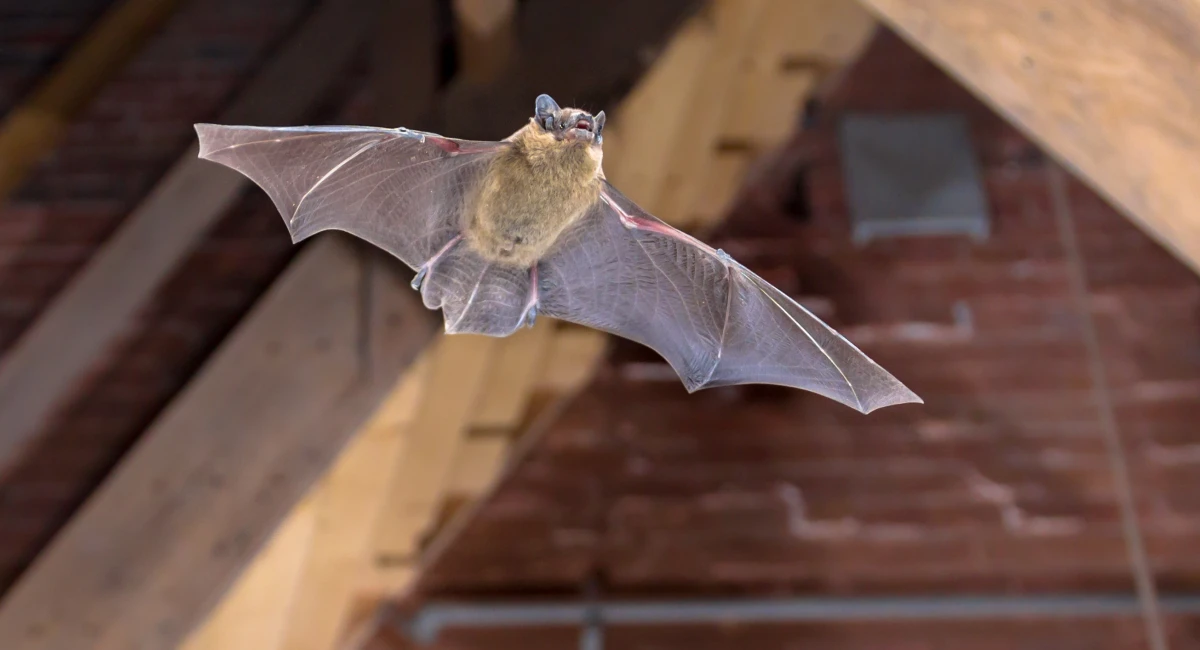
Some species are protected year-round, especially bats, which are vital for insect control but vulnerable during maternity season (May–August). Excluding bats during this time is illegal and can harm pups unable to fly.
Wildlife behavior also changes with the seasons. As temperatures drop, raccoons, squirrels, and skunks move indoors for warmth, while other species hibernate. Knowing when and how removal is permitted helps homeowners stay compliant and effective.
Common Wildlife Around Carolina Homes
From Charleston to Charlotte, Carolina homes face unique wildlife challenges:
- Raccoons and gray squirrels often enter through roof vents or damaged soffits
- Bats frequently roost in attics, chimneys, and barns, seeking quiet, warm spaces for maternity colonies in spring and summer
- Snakes and opossums take shelter in crawlspaces or basements
- Skunks may burrow beneath decks or sheds
Each species requires a tailored solution that combines humane removal, exclusion, and repair to stop future intrusions.
Questions Homeowners Often Ask
What Is the South Carolina Law for Nuisance Animals?
You can trap nuisance animals on your property but must release or remove them through a licensed wildlife control company. Relocating wildlife without approval is illegal.
How Do You Control a Wild Animal?
Start by identifying the species and why it entered. Most seek warmth, food, or shelter. Humane control focuses on wildlife prevention, exclusion, and cleanup rather than trapping alone.
Steps homeowners can take:
- Avoid direct contact. Many animals carry parasites or diseases.
- Inspect your property. Look for roof gaps, loose vents, or crawlspace openings.
- Secure entry points. Seal holes once the animal has left.
- Remove attractants. Keep bins closed, pet food indoors, and outdoor areas tidy.
- Call a licensed professional. Experts use humane traps and exclusion materials.
- Repair and maintain. Replace insulation or damaged wood to prevent re-entry.
Do I Have to Pay for Wildlife Removal?
Yes. Professional removal includes inspections, protective gear, cleanup, and installation of exclusion barriers. It’s an investment in long-term protection.
When Should I Call for Wildlife Control?
Early signs (droppings, insulation damage, or chewed wires) mean it’s time to call. Waiting can lead to nesting, contamination, and higher repair costs.
Trapping vs. Exclusion
Trapping may remove animals temporarily, but exclusion is what keeps them out for good. That means sealing entry points, repairing insulation, and installing covers or mesh barriers. Gregory’s licensed wildlife technicians emphasize prevention and repair over repeated trapping.
Responsible Wildlife Control
Raccoons, bats, and skunks all play a role in the local ecosystem. Working with a licensed wildlife control company ensures humane handling and compliance with Carolina wildlife laws.
Partnering With Gregory Pest Solutions
When wildlife finds its way into your attic or crawlspace, it can lead to damage, odors, and health concerns. Gregory Pest Solutions provides comprehensive wildlife removal across North and South Carolina, including:
- Humane trapping and exclusion that follow state laws
- Attic and crawlspace clean-outs to remove waste and odors
- Damage repair and long-term prevention plans
With local technicians in Greenville, Charleston, and Raleigh, help is always nearby. Every service meets Carolina wildlife regulations and is backed by Gregory’s satisfaction guarantee.
Call Gregory Pest Solutions today to protect your home.
Book Your Free Pest Inspection Today
Our local technicians will assess your property and recommend tailored solutions. Fast, friendly, and completely obligation-free.
- Safe, targeted treatments
- Local experts, fast response
- Trusted, trained technicians