© 2026 Rentokil North America © Gregory Pest Solutions – All Rights Reserved.
The cornmeal is set out for the cornbread stuffing, the pecans are ready for the pie, and the flour is waiting for homemade dinner rolls. Then you spot something moving in the container or notice fine webbing along the rim of a bag.
Finding bugs in your kitchen does not mean you have to call off Thanksgiving dinner. It just means you need to pause, find the source, and take the right steps before you buy replacements and put them back into the same cupboards.
Why You’re Finding Them Now
Most pantry ingredients sit undisturbed for months, until holiday baking brings them back out. This is often when evidence of stored-product pests (SPPs) becomes visible.
According to N.C. Cooperative Extension's Lee County Center, pantry pests frequently arrive inside food that was already infested before purchase. Microscopic eggs and young larvae are easy to overlook until the population expands. Discovering bugs in your cupboards does not reflect your kitchen's cleanliness; it means the insect's natural lifecycle has run its course.
A quick pantry check before Thanksgiving shopping ensures fresh ingredients do not end up beside hidden pests. Equally important is checking packaging at the store. Damaged seals and torn boxes are the most common ways new infestations walk through the front door.

Recognizing Common Pantry Pests
You don’t need to identify every insect to plan next steps, but knowing what to look for can make your search more productive.
There are several species commonly found in Carolina homes:
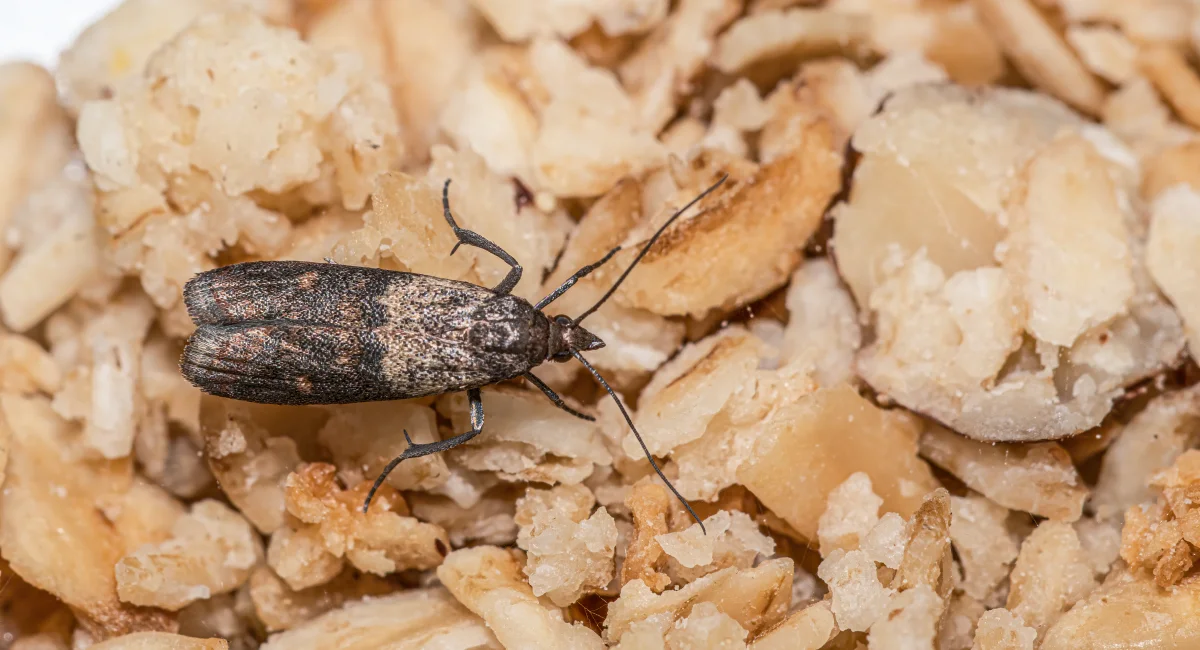
- Indianmeal moths have pale gray wings near the head and coppery, reddish-brown outer wings. Larvae produce silk webbing across the surface of infested foods.
- Flour beetles are small, reddish-brown beetles that infest flour, cereals, baking mixes, and spices. Affected products may develop a noticeable odor.
- Grain beetles have flat bodies that allow them to enter imperfectly sealed packages. They feed on cereals, pasta, chocolate, and nuts.
- Cigarette and drugstore beetles attack a broad range of products, from paprika and dried herbs to pet treats and dog food.
If you are unsure what you’ve found, save a specimen in a sealed container or take a clear photo. Correct identification helps guide monitoring if activity continues.
Inspect Nearby Products, Not Just the One You Opened
Just because you find one infested bag of rice doesn’t mean everything in the cabinet needs to go. But it does mean nearby products deserve a closer look.
Remove packages from the affected shelf and examine them individually. Check contents, seams, folds, and closures. Pay attention to older items and anything that has been opened, even briefly.
Even a sealed cardboard box is not enough to prevent SPPs. Equally, thin packaging, loose flaps, and incomplete seals can allow insects to reach food inside.
For Thanksgiving cooking, give extra attention to:
- Cornmeal, grits, flour, and baking mixes
- Breadcrumbs, oatmeal, crackers, and dry pasta
- Whole and ground nuts, dried fruit, and chocolate chips
- Ground spices, dried herbs, and cocoa powder
Set aside anything that looks clear while you finish the inspection; otherwise, you risk infesting these products as well.
Widen the Search If Activity Continues
If you have removed an infested ingredient but keep seeing insects, the food source may be somewhere you haven’t checked yet.
Dry pet food, dog biscuits, and birdseed can support some of the same pests found in kitchen cupboards. A bag of seed in a utility room or garage is easy to miss when your attention is focused on holiday baking.
NC State Extension also recommends checking less obvious household items, such as rice-filled heating pads, beanbags, decorative Indian corn, dried floral arrangements, and food-based craft projects. These can sustain an infestation long after affected kitchen products have been thrown away. When insects persist, the key question is not just where they are wandering, but what they are still feeding on.
Clean Before Restocking
When you’ve removed and disposed of the infested food, clear the shelves and clean the storage space thoroughly:
- Use a vacuum attachment to clean along shelf edges, corners, and joints where flour dust and crumbs collect. Check underneath shelf liners and around mounting brackets, then empty the vacuum canister or bag directly into an outdoor trash can.
- Wipe down the surfaces with warm soap and water, and make sure they are completely dry before putting anything back. Skip household bug spray as a shortcut, because pesticides should never be applied directly to food or food-contact surfaces.
Taking the time for a complete, chemical-free cleanup ensures your pantry is ready before you unpack replacement ingredients.

Protect Your Replacement Ingredients
Before putting new groceries away, check the packaging for tears, loose seals, or visible insects. Then transfer dry goods into clean glass, metal, or sturdy food-grade plastic containers with tight-fitting lids. If you are reusing a container, empty and wash it before adding fresh flour, cornmeal, or other ingredients.
For ingredients you use only occasionally—such as specialty flours, whole nuts, or dried fruit—consider refrigerator or freezer storage to help limit insect activity and preserve freshness.
Once everything is put away, keep watching for signs of pests over the next few weeks. Seeing another moth does not necessarily mean the cleanup failed. Some larvae may have left the affected food before you removed it and could still develop into adults. If sightings continue, inspect your stored products again for an overlooked source.
Pest-specific monitoring traps can help you track activity during this period, but they cannot replace the need to find and remove infested food.
When the Source Is Hard to Find
If insects keep appearing after thorough cleaning and inspection, the breeding site may be in a difficult-to-access location, such as inside a wall void, beneath a subfloor, or in an area you would not normally check.
A professional inspection can quickly track down hidden food sources and identify the specific pest. The team at Gregory Pest Solutions can evaluate the situation and put a targeted plan in place, so your replacement groceries do not meet the same fate.
Unsure where insects are coming from or having trouble breaking the cycle? Gregory Pest provides thorough home inspections and long-term solutions to ensure your replacement groceries stay secure year-round.
Book Your Free Pest Inspection Today
Our local technicians will assess your property and recommend tailored solutions. Fast, friendly, and completely obligation-free.
- Safe, targeted treatments
- Local experts, fast response
- Trusted, trained technicians