© 2026 Rentokil North America © Gregory Pest Solutions – All Rights Reserved.
Did you know that spiders are cold-blooded? That means you’ll start noticing them more as they come out of hiding to soak up the sun. To prep yourself for this event, take a look at these fun facts! They might teach you something about spiders and you may even grow to like them, or at the very least think they’re the tiniest bit cool.
To Use Their Legs, Spiders Pump Fluid Into Them.
Spider’s legs naturally flex inward, but they don’t have muscles or tendons to help them flex their legs outward. Instead, they push fluid from their bodies into their legs. The jumping spider uses this inner hydraulic system to jump up to 50 times his own length! For a deeper understanding of how this invertebrate moves, click here.
All Spiders Produce Silk.
There are approximately 40,000 species of spider currently known to man. Scientists think there are more to be discovered, but all spiders have silk in common. The silk actually starts out as a liquid inside the body and hardens once it is outside of the spider’s body.
There Are Two Classifications of Spiders: Web Spiders and Hunting Spiders.
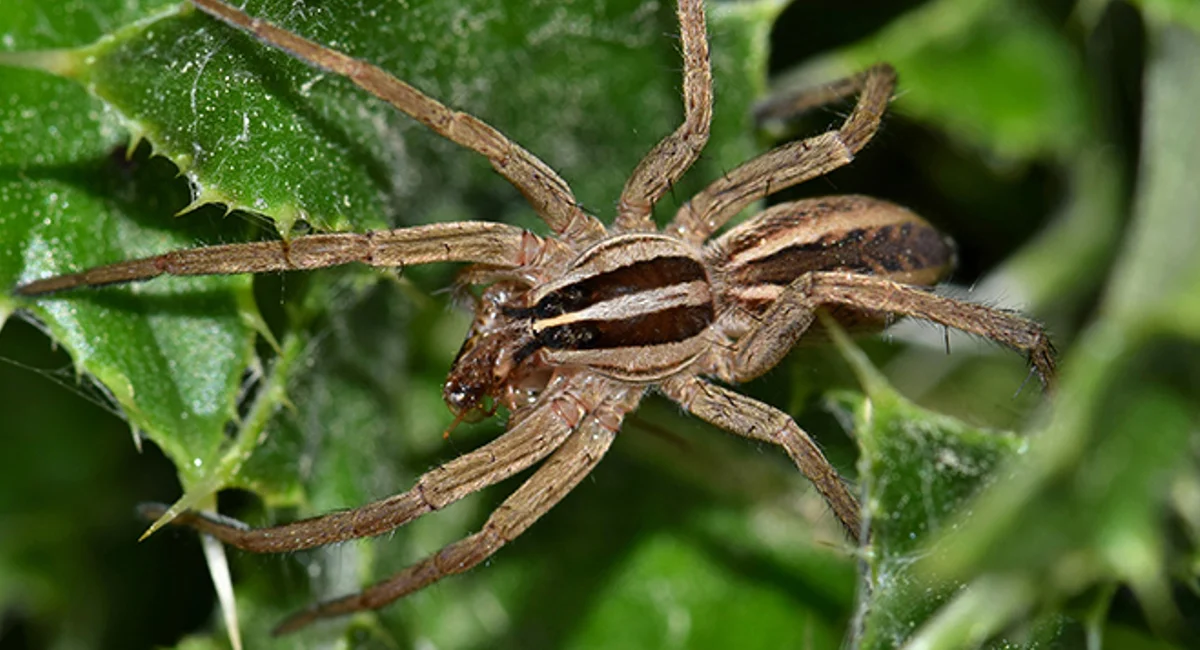
Web spiders spin webs to catch their prey, whereas hunting spiders may or may not use their web at all. Hunting spiders stalk, hunt or pounce on their prey, but they do use their webs to make resting places for themselves among other things.
All Spiders Are Out to Get US. Just Kidding.
Spiders are rarely aggressive. However, they will bite if they feel cornered or endangered. To prevent spider bites, shake out your clothes and check your shoes before sliding them on, especially if they’ve been in storage. You may also want to check your bed before laying down. Spiders may be hiding in your sheets.
Not All Spiders Are Dangerous.
In North America, there are over 3,000 species of spiders, but there are only two species that are termed “medically significant:” the recluse spiders and the widow spiders. A spider is termed medically dangerous if it poses a threat to humans, and while all spiders are venomous, few are considered dangerous to humans.
The Biggest Spider on Record Measured 11 Inches Across!
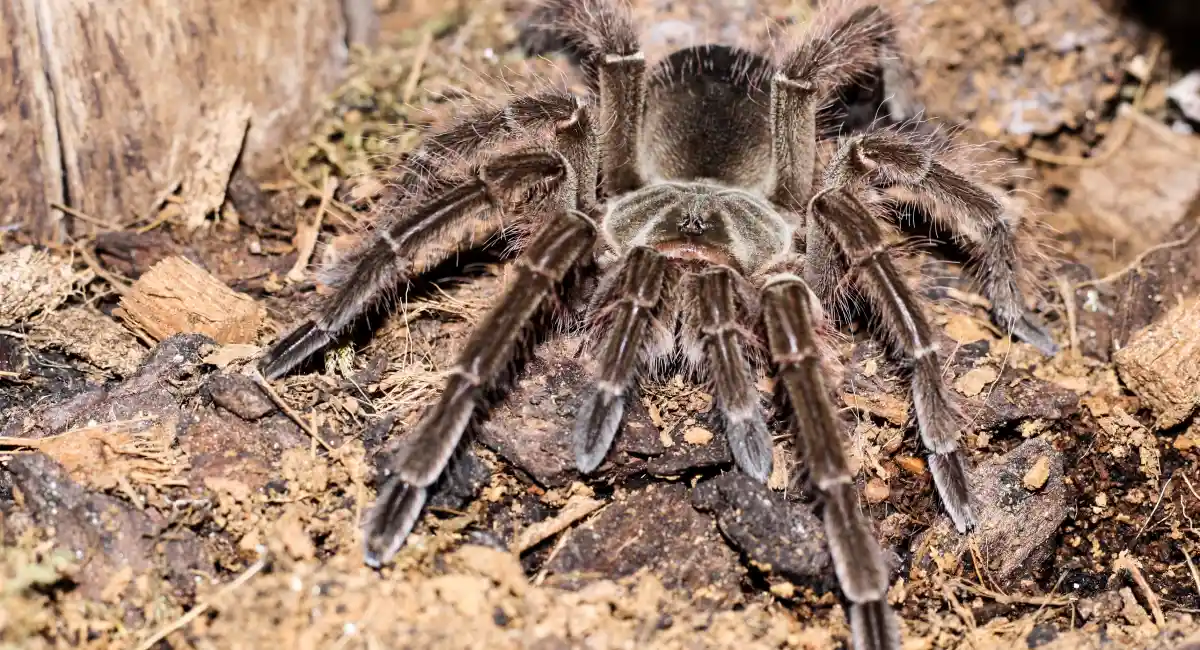
According to the Guinness Book of World Records, the biggest spider ever found is known as the goliath bird-eating spider or Theraphosa blondi. This specimen had a leg span of 11 inches and was discovered in 1965 by members of the Pablo San Martin Expedition at Rio Cavro, Venezuela. This particular species can be found in the coastal rainforests of Surinam, Guyana and French Guiana. The article also stated that isolated specimens have been recorded in Brazil and Venezuela.
Book Your Free Pest Inspection Today
Our local technicians will assess your property and recommend tailored solutions. Fast, friendly, and completely obligation-free.
- Safe, targeted treatments
- Local experts, fast response
- Trusted, trained technicians