© 2026 Rentokil North America © Gregory Pest Solutions – All Rights Reserved.
When you’re managing multiple properties across the Carolinas, it’s easy to brush off bird droppings as a minor cleaning issue or a problem for another day. But in shared walkways, courtyards, and entrances, droppings are a genuine safety hazard. It doesn’t take much for a small maintenance oversight to become a significant liability issue, especially if a tenant slips, complains, or an insurer starts asking questions about your risk management.
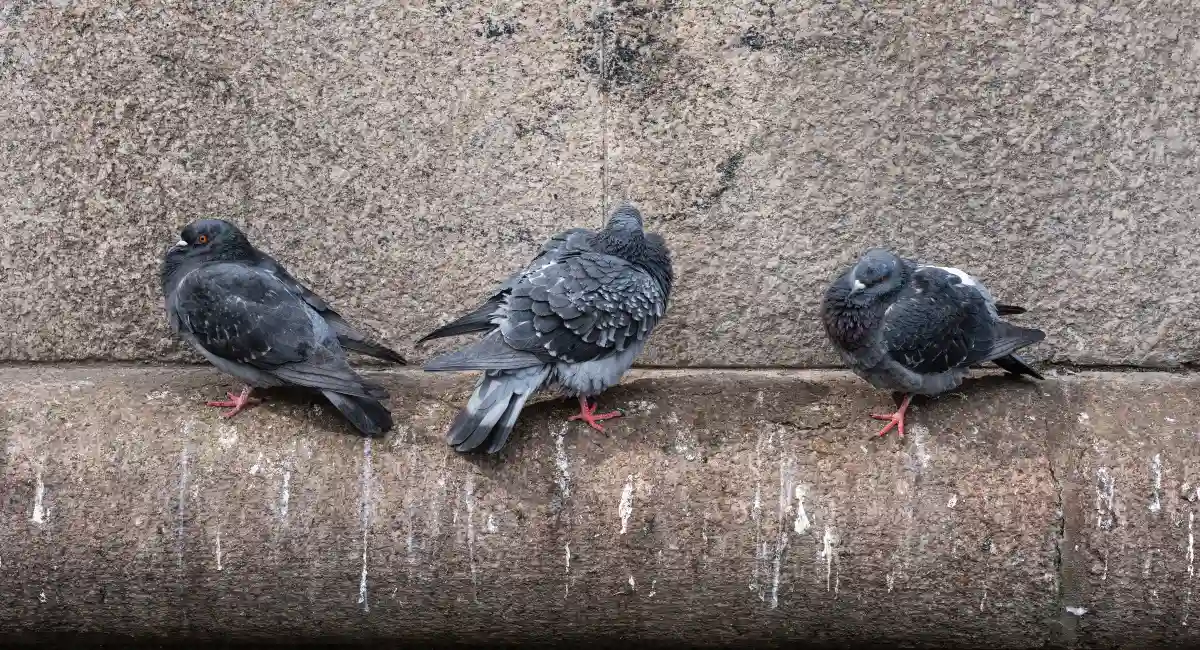
The droppings from common Carolina species—including pigeons, European starlings, and house sparrows—are highly acidic, causing long-term damage to building materials and leading to costly repairs. Crucially, liability claims following injury can be extremely high, potentially reaching the millions, which can be devastating for smaller businesses.
Protecting Tenant Safety Across Multi-Site Portfolios
In the event of a slip-and-fall claim, an insurance investigator will assess whether your team was aware of the problem, took prompt corrective action, and maintained the documentation to prove it. If fouling is left to accumulate in an area you manage, you become easily exposed to claims of negligence and a failure in your duty of care.
Physical exclusion, such as netting and ledge spikes, prevents access to the ledges, beams, and canopies. At the same time, smart deterrent technology like Bird Alert—an audio system that detects specific pest species and responds with targeted distress calls and predator sounds—disrupts roosting before it becomes established. Matching the right method to each site keeps deterrence humane, but effective, without relying on repeated reactive clean-ups.
A structured commercial bird control program removes the burden from your team. Scheduled visits from specialists who understand bird behavior, roosting patterns, and compliant removal methods clear each site and maintain standards across your property portfolio.

One Site’s Problem is Every Site’s Risk
A dirty entrance at one building is easy to fix, but when it affects twenty or thirty sites, it becomes a systemic maintenance issue—and one that tenants and customers will notice. It strengthens your position if you can demonstrate a unified standard of care across your portfolio to justify maintenance practices at any given site.
To do this, you need to show that every property follows the same inspection schedule, the same triggers for action, and the same record-keeping. Making bird control consistent across the portfolio, as part of a broad commercial property management pest strategy, proves commitment and accountability.
Bird hotspots around office buildings, warehouses, hospitality, and healthcare facilities include:
- Entrances and canopies, where ledges above doors drop waste onto the threshold below
- Covered walkways and breezeways, where shelter encourages roosting right over the path
- Parking structures and decks, where beams attract birds and create a mess below
- Loading and service areas with regular deliveries and high footfall
A Dirty Building Is a Reputational Risk
Tenants and visitors form an instant impression of a business based on its appearance. Dirty entrances, railings, and walkways slowly chip away at their confidence, and that often shows up at renewal time.
The stakes are highest in customer-facing sectors: in foodservice and hospitality, a fouled entrance directly contradicts the hygiene standards guests expect, and a single unflattering photo on a review site or social feed can undo months of brand investment. The same logic applies more widely—if the roof, siding, or foundations look unsanitary, it can affect a tenant's own rating and reflect on your standing as a credible, responsible landlord.
Clean, safe, well-kept fascias and common areas signal a landlord who is on top of things, which supports tenant satisfaction and the retention that keeps a portfolio performing.
Record-Keeping Is Your Best Defense
If a claim is made against you, the work your team actually did means little unless you can prove it happened. A robust duty-of-care defense rests on thorough, transparent records: dated inspections, identified problem areas, cleaning logs, and proof that deterrents were installed and maintained.
Consistent, audit-ready documentation at every site is evidence of due diligence and compliance—not improvisation after something goes wrong. Tying bird management to audit-ready pest documentation applies that same standard everywhere, whether an incident occurs at your largest building or your smallest.
Know the Rules Before You Act
Fortunately for property teams in the Carolinas, the three species responsible for most fouling—feral pigeons, European starlings, and house sparrows—are non-native and therefore not covered by the federal Migratory Bird Treaty Act (MBTA). Because the U.S. Fish & Wildlife Service does not protect these species under the MBTA, you can proceed with humane deterrence and removal efforts without a federal permit.
The main risk is getting the species wrong. Native birds, including the swallows that often nest under eaves across the Carolinas, are fully protected, and disturbing an active nest can lead to serious federal penalties. State rules in both North and South Carolina also set out how nuisance birds can be handled, and those rules can differ across a portfolio that crosses state lines. This is why correct identification and proper methods are even more important at scale.
Why Late Summer Is the Time to Act
By late summer, young birds have fledged, and adult populations begin settling into their winter roosts. This also coincides with the start of fall migration and heavy post-breeding flocking—the very behavior that drives concentrated fouling in sheltered, high-traffic areas. This is the moment to act, as waste builds up just before the Carolinas enter the wetter autumn season.
The combination of rain and heavy bird waste significantly increases the risk of slip-and-fall accidents, whether on coastal decks in Myrtle Beach and Charleston or on inland walkways. Installing deterrents now prevents excessive roosting, while regular monitoring and inspections help you develop an effective strategy before the higher-risk months arrive.
A Coordinated Approach to Bird Control
Managing bird control across multiple sites is a complex risk-management task. If you are reviewing how your properties handle bird activity—and whether your records would withstand scrutiny—it is time to standardize your approach before the autumn season. Gregory Pest Solutions partners with property teams across North and South Carolina to develop consistent, audit-ready bird management programs designed for large-scale portfolios.
Gregory Pest Solutions helps property teams across North and South Carolina implement consistent, audit-ready bird management, ensuring every building is protected to the same standard before autumn arrives.
Book Your Free Pest Inspection Today
Our local technicians will assess your property and recommend tailored solutions. Fast, friendly, and completely obligation-free.
- Safe, targeted treatments
- Local experts, fast response
- Trusted, trained technicians