© 2026 Rentokil North America © Gregory Pest Solutions – All Rights Reserved.
Quick Overview
- Stop treating pest management as a recurring bill and start using it as valuable operational intelligence.
- Use your year-end trend data to track down root causes of pest activity, such as failing dock seals, hidden leaks, peak times or poor warehouse layout.
- Replace guesswork with hard data to easily justify 2027 capital expenses, infrastructure upgrades, and preventive maintenance.
- Protect your facility against compliance failures by documenting exactly how your team uses monitoring data to make physical improvements.
Budget season forces facilities and operation leaders to make tough calls for 2027. More often than not, pest management just gets rolled over as a routine expense. But simply rubber-stamping it without looking at what your 2026 data is trying to tell you is a missed opportunity.
Your year-end pest trends are packed with strategic insights. By putting that data to work, property and procurement teams can easily identify which infrastructure repairs need funding right now, keep compliance on track, and build a maintenance budget that ensures stability moving forward.
Uncover Hidden Facility Risks
Across the Carolinas, high humidity, heavy coastal rain, and wild temperature swings wear down your roof, foundation, and weather seals. As manufacturing, retail, and logistics buildings age, those structural weak points often lead to tougher questions during state health and third-party audits.
Your 2026 data can help with this by mapping exactly where pests are slipping in, allowing you to adjust your maintenance schedule to cope with seasonal pressures and build a better strategy for 2027.
To stop treating symptoms and start fixing root causes, use your commercial pest control reporting to track down:
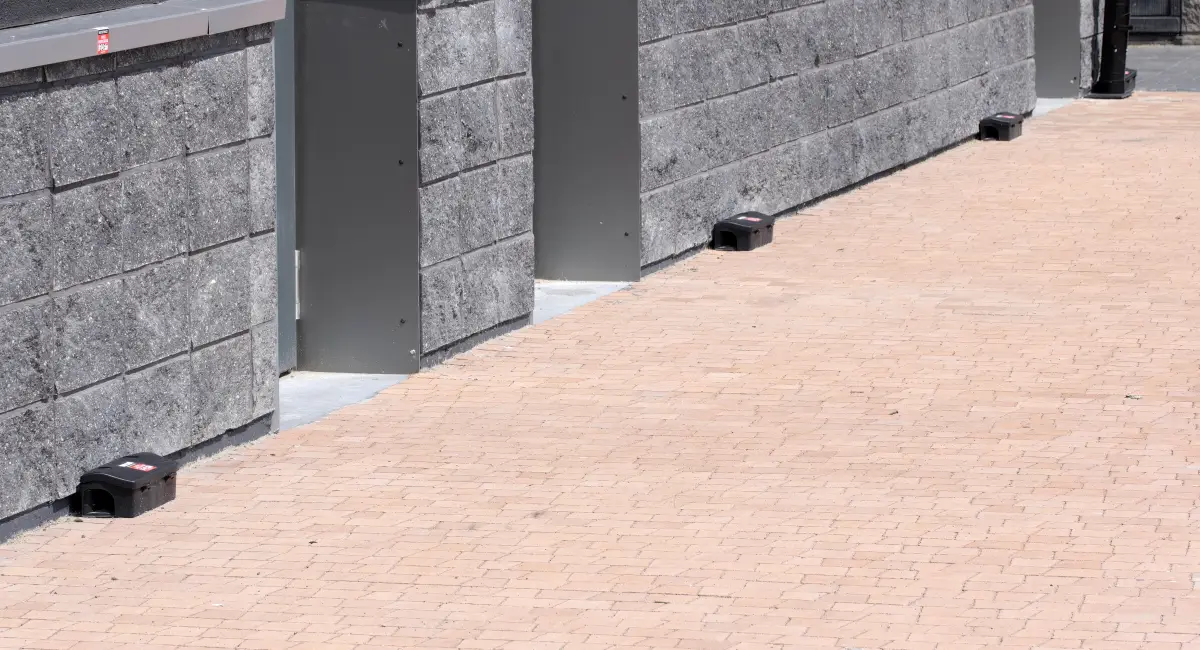
- Compromised building perimeters: If rodents keep showing up along exterior walls, it usually means your dock seals are weakening, your weatherstripping is shot, or your structural joints are widening.
- Hidden moisture issues: A stubborn drain fly or cockroach problem is a huge red flag for trapped water—usually from a hidden plumbing leak, bad subfloor airflow, or water pooling under heavy machinery.
- Warehouse and inventory blind spots: Finding insects deep inside storage areas usually highlights a logistical issue, such as stagnant stock rotation or pallets packed so tightly that your team can't properly clean or inspect the area.

Building a Data-Driven Maintenance Budget
It is never easy to get budget approval for big upgrades like new dock doors, roof repairs, or plumbing overhauls. But digging into your pest data can turn a standard maintenance request into a priority.
For instance, if your 2026 service logs show repeated callouts for rodents near a specific loading bay, you are already paying a hidden price. Every extra service fee, hour of lost staff time, and heightened contamination risk drains your resources without ever fixing the real problem.
Bringing solid trend data to the table changes the conversation. You are no longer asking for new doors just because the old ones look worn out. You are showing decision-makers exactly how maintaining those dated doors drives up daily costs and puts operations at risk. Using your data this way makes it much easier to secure the funding you need to actually fix the building.
Strengthening Compliance and Audit Readiness
Waiting for pests to show up before you act doesn't just strain your maintenance budget—it creates massive compliance headaches in regulated industries. Today’s auditors want to see more than a spotless facility. They want proof that your team is actively finding and fixing problems, which makes your 2026 data incredibly valuable.
Modern audits look closely at how you use monitoring data to guide your corrective actions. If a pest issue keeps happening and no one has stepped in to fix the building or update a process, it looks like a breakdown in your preventive controls. Digging into your year-end data can help prevent compliance gaps before an auditor walks through the door.
A thorough review ensures you enter 2027 equipped with:
- Clear records showing exactly where past pest issues started and the specific repairs made to fix them.
- Updated facility maps that show your monitoring devices match current layout and historical problem areas.
- Solid proof that your teams actually use pest data to make targeted facility upgrades.
If you operate under strict regulatory rules, folding these insights into an audit protection program keeps you audit-ready all year long—and saves you from scrambling to pay for emergency fixes after a bad inspection.
A Cross-Functional Approach to 2027 Planning
Getting a maintenance budget approved takes teamwork. Pest control usually gets tasked to the sanitation or facilities team, but the insights buried in your 2026 data actually matter to operations, compliance, procurement, and property leadership just as much:
- Operations managers need to know whether a stubborn pest issue will slow production or ruin inventory.
- Compliance officers need hard numbers to prove their corrective action plans are working.
- Procurement teams need to see that paying for structural repairs now is far cheaper than rubber-stamping emergency treatments every month.
When these departments sit down to review annual pest trends together, building the 2027 budget becomes much easier. Procurement can confidently approve cash for structural repairs, knowing it will lower long-term service bills, while facility teams finally get the resources to fix the root problems.
Move Forward With Confidence
Think of your pest monitoring data as providing an unfiltered view of your building’s physical health. However, to actually use that intelligence during budget season, the data needs to be easy to find and easy to read.
This is where Gregory Pest Solutions’ commercial pest management approach makes a real difference. Through paperless data recording and a secure web portal, clients get real-time visibility into their facilities—making it simple to track activity, set custom alerts, and pull instant trend reports when planning ahead.
No matter how your records are currently stored, don’t let valuable intelligence gather dust in a static file. Before locking in your 2027 budget, pull your last 12 months of service logs, highlight your top three recurring pest hotspots, and cross-reference them with open facility repair tickets. Bringing that side-by-side breakdown to your next planning meeting gives leadership concrete proof of which structural fixes will pay off first.
Gregory Pest Solutions can help you assess changing rodent activity around your food processing facility and adapt your pest management program before external pressures affect operations. Contact our team to discuss your site’s seasonal risk.
Book Your Free Pest Inspection Today
Our local technicians will assess your property and recommend tailored solutions. Fast, friendly, and completely obligation-free.
- Safe, targeted treatments
- Local experts, fast response
- Trusted, trained technicians