© 2026 Rentokil North America © Gregory Pest Solutions – All Rights Reserved.
Every fall, homeowners across the Carolinas breathe a little easier as the summer swelter breaks. Fewer mosquitoes on the porch, less humidity, cooler evenings—it feels like pest season is winding down. However, the reality in 2026 is quite different. The Old Farmer's Almanac is forecasting a cooler but markedly drier fall across the region, with September temperatures running about a degree below normal and rainfall as much as four inches below average in the southern Carolinas. The problem isn't the dry weather itself. It's what a drought does to the pests that spent the summer months multiplying in your yard.
A Big Summer Population Meets a Sudden Drought
This year's mild winter failed to knock back overwintering populations, and an early, stubborn heat wave gave termites, ants, and mosquitoes a head start on breeding. By late summer, colonies and populations across the Piedmont and Lowcountry were running well above typical size, which is probably obvious to anyone with a yard from Greenville to Wilmington.
When puddles evaporate, soil hardens, and shallow creeks run dry, thousands of insects and rodents suddenly have nowhere to drink. So they follow the moisture—and in a parched Carolina September, the nearest watering hole for miles is the climate-controlled, plumbed, humidity-managed building that you live in.

Where the Pressure Lands First
Not every home faces the same risk, and much of it depends on how and where we build here. Older homes in neighborhoods like Columbia's Shandon or Greenville's West End tend to have vented crawl spaces, settling foundations, and decades of small gaps that give pests dozens of ways in. Meanwhile, the newer subdivisions expanding into former farmland and pine woods around Fort Mill, Cary, and Mount Pleasant put families directly in the path of displaced wildlife and insects looking for a new home.
Inside, pests head straight for water. Kitchens, bathrooms, laundry rooms, and the condensation around hard-working HVAC systems become the main draw. The species most likely to make that move during a Carolina dry spell:
- Ants—odorous house and carpenter ants forming trails to sinks and pantries
- Cockroaches— American ("palmetto bug") and German roaches heading for drains and under-sink cabinets
- Rodents— house mice and Norway rats slipping through foundation gaps as outdoor food and water disappear
- Spiders—frequently the first visible sign, following their insect prey indoors
For coastal and Lowcountry households, the palmetto bug is the usual culprit; across the Upstate and Piedmont, it's more often the fall rodent push that surprises people as the first cool nights set in. With a mouse able to squeeze through an opening no bigger than a quarter, sealing those entry points through professional residential rodent control and exclusion is well worth prioritizing ahead of the cooler months.
The Counterintuitive Mosquito Risk
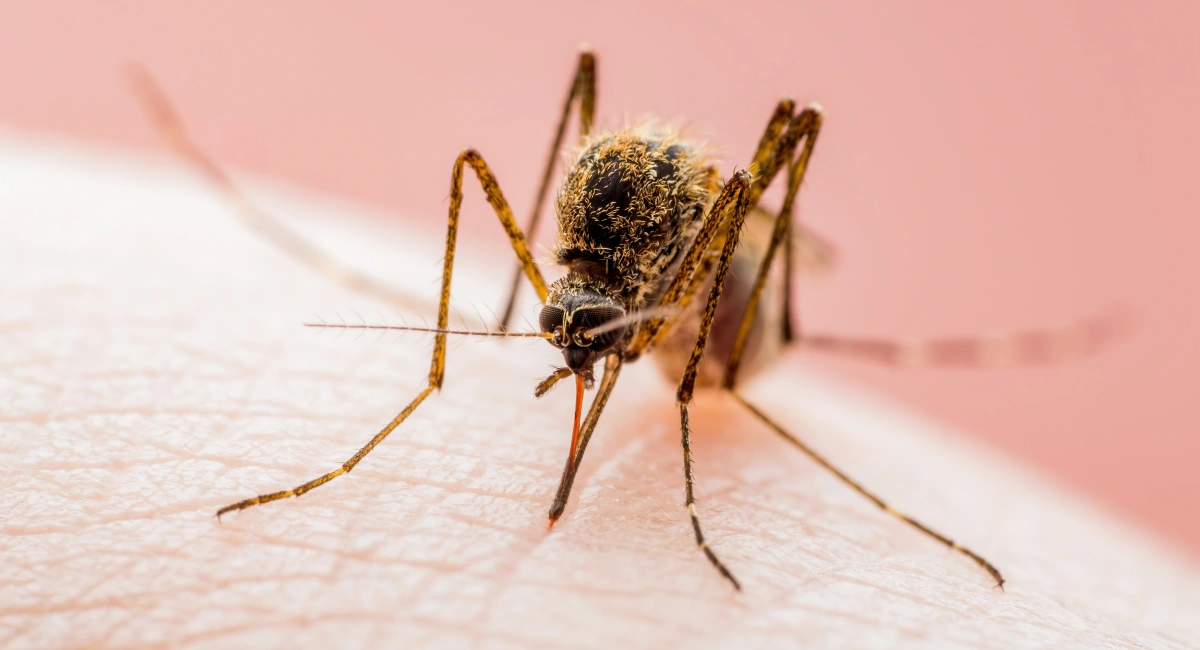
If there's one thing homeowners get wrong about a dry fall, it's mosquitoes. Fewer of them are buzzing, so the assumption is that the danger has passed. The opposite can be true.
During droughts, creeks and drainage ditches shrink into stagnant, nutrient-dense pools that make perfect nurseries for Culex mosquitoes, the species that spreads West Nile virus and St. Louis encephalitis. The risk isn't hypothetical, either. In August 2026, South Carolina health officials declared a West Nile virus outbreak after confirming cases in the Pee Dee region, citing sustained local mosquito activity.
In short, just because you don’t notice mosquitoes doesn’t mean they’re not there. That's why residential mosquito control through October is worth maintaining, and why eliminating stagnant pockets—clogged gutters, forgotten buckets, tarps, birdbaths, and low-lying areas that hold water long after a rare rain—is important for your family's health and safety.
The Early Warning Signs
Pests test a home before they commit to it, which makes early detection your strongest advantage. A few recurring signals suggest outdoor populations are working their way inside:
- Droppings or gnaw marks near water sources, under sinks, or along baseboards
- Ant trails leading toward plumbing, drains, or damp corners
- New spider webs clustered around entry points, eaves, and windows
- Scratching or scurrying in walls and attics, especially after dark
- Musty odors or visible moisture in crawl spaces and basements
One sign is worth a closer look. Two or more usually means pests have already found the lifelines (food and water) they’re looking for.
Prevention Beats Reaction
The encouraging part is that a moisture-driven pest problem is one of the most preventable there is. Because these pests are chasing water and easy access, removing both is highly effective—and far less disruptive than dealing with an established infestation.
A prevention-first approach to fall prevention comes down to three priorities:
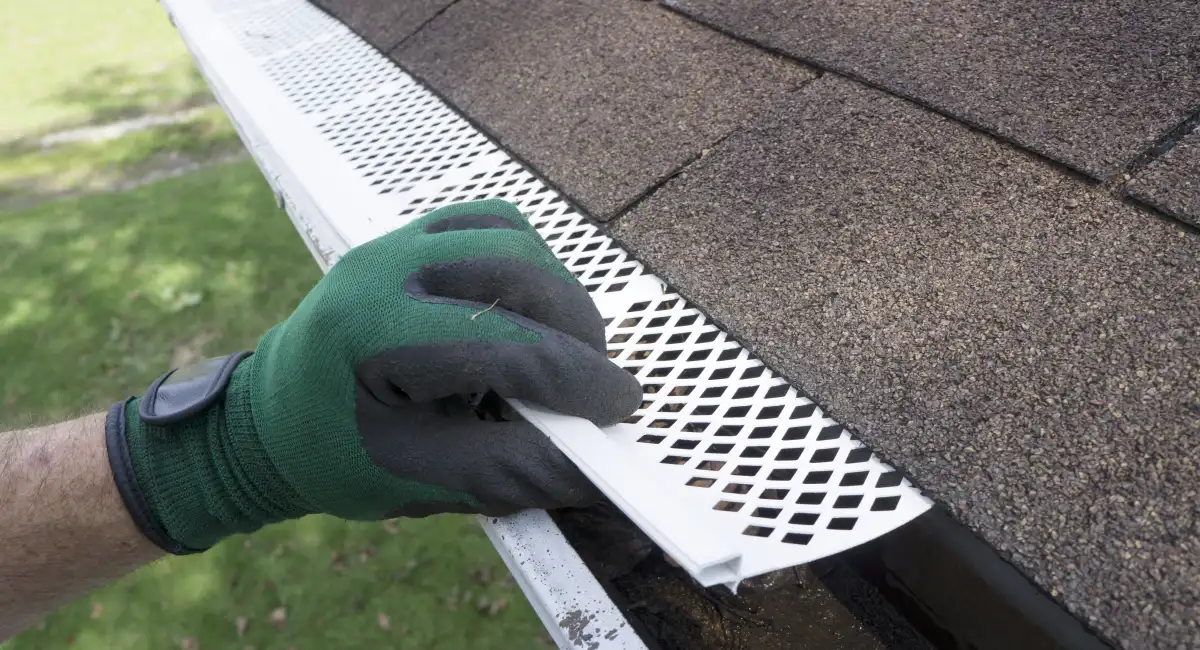
- Start with moisture control: fix leaks, clear gutters ahead of autumn storms, improve drainage, and reduce crawl space humidity to remove the very thing that pulls pests indoors.
- Add exclusion: sealing gaps around pipes, vents, door sweeps, and the foundation shuts off the routes rodents and insects depend on. Gregory's crawlspace moisture management and wildlife exclusion services are designed around exactly these conditions.
- Finish with monitoring: routine inspection of vulnerable areas catches trouble while it's still easy to resolve.
Whether it's a century-old bungalow in Charleston or a new build in the Charlotte suburbs, the homes that come through the fall, untroubled, are the ones that address these factors before the first signs appear.
Be Ready Before the Dry Down
A hot Carolina summer followed by a dry September is a tough combination, but the pest implications are predictable. Knowing that pests will move toward moisture turns a potential October scramble into a straightforward plan today.
If you'd like a clearer sense of where your home is most exposed this season, the team at Gregory Pest Solutions can help pinpoint moisture and entry point risks and build a pest control maintenance plan matched to your property and corner of the Carolinas. A short conversation now can save you a great deal of trouble as the season turns.
A drier September pushes pests toward your home. Our team can pinpoint moisture and entry-point risks specific to your property and build a prevention plan matched to your home and your corner of the Carolinas. Reach out to schedule a free inspection.
Book Your Free Pest Inspection Today
Our local technicians will assess your property and recommend tailored solutions. Fast, friendly, and completely obligation-free.
- Safe, targeted treatments
- Local experts, fast response
- Trusted, trained technicians