© 2026 Rentokil North America © Gregory Pest Solutions – All Rights Reserved.
The recent winter storm that impacted the Piedmont, Upstate South Carolina, and parts of Western North Carolina was unusually severe for the region. Snow accumulation, extended freezing temperatures, and rapid thawing conditions created environmental changes that can increase pest activity for weeks or even months after the storm passes.
While snow and ice may temporarily slow outdoor pest movement, storms of this scale often push rodents and insects closer to homes as they search for warmth, shelter, and food sources. As temperatures begin rising toward spring, pest activity often increases rather than disappears.
Why This Storm Is Different From Typical Winter Weather
This system delivered heavier snowfall and longer freezing periods than most winter weather events seen across the Carolinas. Deep snow cover forces wildlife and insects out of their natural harborage areas. At the same time, prolonged cold drives pests toward heated structures where conditions remain stable.
As the snow melts, moisture levels increase around foundations, crawlspaces, and landscaping. Saturated soil and rising humidity create ideal conditions for pests that rely on damp environments to survive and reproduce. The freeze and thaw cycle that follows large snow storms can also shift building materials and widen small structural gaps that pests can exploit.
Rodents Often Move Indoors During and After Snow Storms
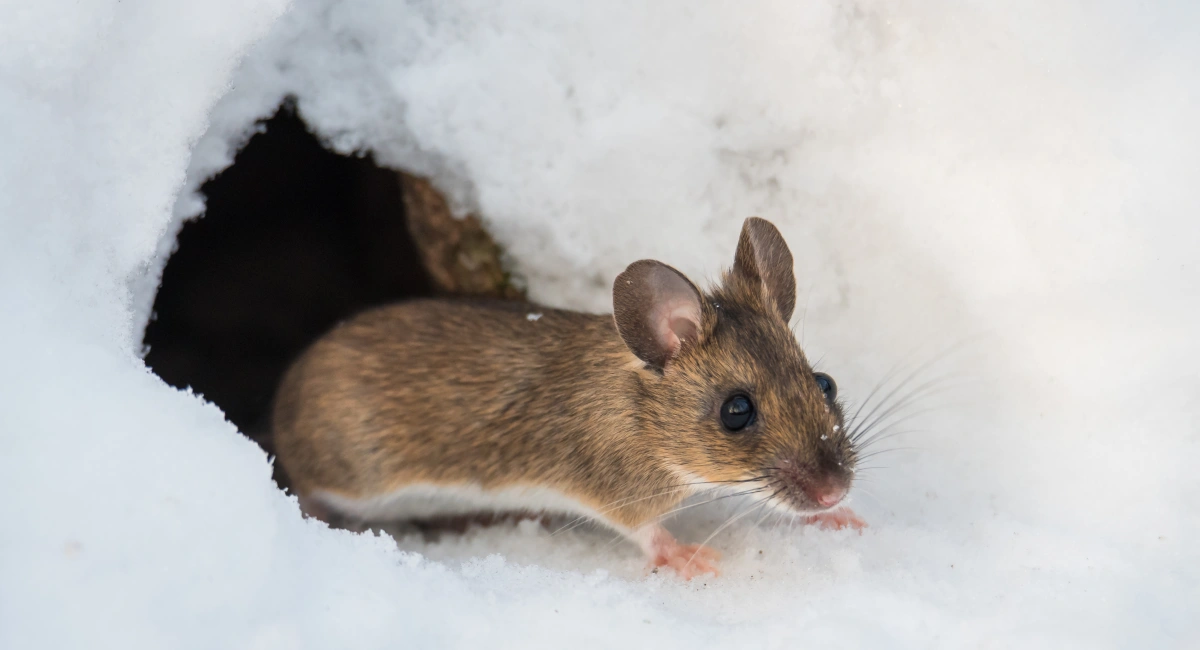
Rodents are among the most common pests homeowners encounter following severe winter weather. Mice and rats remain active throughout cold temperatures and are highly motivated to find warm shelter when outdoor food becomes limited.
Mice and Rats Only Need Small Openings To Enter
Mice can enter homes through openings as small as a dime. Rats require slightly larger gaps but can chew through materials such as wood, insulation, and plastic to expand entry points. Common access areas include crawlspace vents, rooflines, garage door gaps, and openings around plumbing or utility lines.
Where Rodents Nest During Cold Weather
Once inside, rodents typically settle in attics, wall voids, basements, or storage areas where insulation and stored materials provide nesting support. Rodent activity can lead to damaged wiring, contaminated food storage, and unpleasant odors if left untreated.
Melting Snow Creates Early Spring Pest Conditions
The impact of this storm continues as snow melts and moisture collects around residential structures. This moisture encourages pests that normally become active later in the spring to appear earlier and in greater numbers.
Moisture Around Foundations Attracts Insects
Melting snow can raise humidity levels around siding, door frames, and crawlspaces. Damp conditions attract ants, earwigs, and moisture-seeking beetles that look for protected nesting areas near or inside homes.
Freeze and Thaw Cycles Can Create New Entry Points
Expansion and contraction of building materials during repeated freezing and warming periods can widen small cracks along foundations and exterior trim. These openings provide easy access for insects and rodents moving indoors as outdoor conditions change.
Pests That Commonly Increase After Winter Storms
Large snow events followed by warming temperatures often trigger activity from several seasonal pests across the Piedmont and Upstate.
Boxelder Bugs
Boxelder bugs often gather along sun-facing exterior walls as temperatures warm. They commonly enter homes through gaps around windows, siding, and soffits, especially in neighborhoods with maple or ash trees.
Cluster Flies and Overwintering Insects
Cluster flies and similar insects spend winter hidden inside wall voids and attics. Warmer daytime temperatures can trigger sudden indoor activity during late winter and early spring.
Carpenter Ants and Moisture Related Wood Pests
Carpenter ants are drawn to damp wood conditions caused by melting snow and water buildup near foundations. Moist structural areas increase the likelihood of nesting activity near residential structures.
Signs Your Home May Be Experiencing Storm Related Pest Activity
Homeowners may notice subtle warning signs as pest pressure increases after severe winter weather. Scratching or movement inside ceilings or walls can indicate rodent nesting. Small droppings near pantry areas or baseboards may signal rodent activity. Clusters of insects appearing near windows or light sources can indicate overwintering pests emerging indoors. Moisture stains or musty odors near crawlspaces or basements can also increase pest attraction.
Early identification can help prevent infestations from expanding during spring months.
How Homeowners Can Reduce Post Storm Pest Risks
Taking preventative steps after heavy snow and freezing weather can help reduce pest entry opportunities.
Inspect exterior walls, windows, and doors for new gaps or damage. Sealing small openings helps block common rodent and insect access points. Check gutters and downspouts to ensure melting snow drains properly away from the home. Standing water near foundations encourages moisture-seeking pests.
Keep firewood, leaf piles, and outdoor debris away from exterior walls to reduce pest harborage areas. Maintaining sealed food storage and clean kitchen surfaces also helps discourage rodents from nesting indoors.
When To Schedule Pest Control After Severe Winter Weather
Storm related pest problems often begin before homeowners notice visible activity. Professional inspections help identify hidden entry points, nesting areas, and moisture conditions that increase pest risks.
Gregory Pest Solutions provides residential pest services tailored to seasonal pest pressures across South Carolina and North Carolina. Our technicians evaluate structural vulnerabilities, identify pest activity, and develop treatment and exclusion plans designed for long term home protection.
Protect Your Home As Temperatures Begin To Rise
Historic winter storms like the one recently experienced across the Piedmont and Upstate can create pest pressures that continue long after snow disappears. Rodents searching for warmth and insects drawn to moisture can quickly establish activity inside homes during the transition from winter to spring.
Gregory Pest Solutions helps homeowners reduce seasonal pest risks through inspection, treatment, and preventative services. Scheduling a pest inspection now can help protect your home before spring pest activity increases.
Contact Gregory Pest Solutions today to request residential pest service or schedule an inspection.
Schedule your insulation and winter pest assessment today to restore warmth, efficiency, and peace of mind.
Restore warmth, efficiency, and peace of mind by speaking with the team today and protecting your home.
Book Your Free Pest Inspection Today
Our local technicians will assess your property and recommend tailored solutions. Fast, friendly, and completely obligation-free.
- Safe, targeted treatments
- Local experts, fast response
- Trusted, trained technicians